QuantumScape Starts Solid-State Pilot Battery Production in CA
California-based QuantumScape says it has made a major breakthrough in solid-state battery development. About the size of a deck of cards, the company’s anode-free, lithium-metal cells are designed to overcome many of the limitations of today’s lithium-ion batteries, offering higher energy density, faster charging, greater power, and improved safety. If successful at scale, the technology could significantly advance electric vehicles and other energy applications.
The next challenge is proving the batteries can be manufactured reliably and in meaningful volumes. QuantumScape took an important step in that direction this week by launching pilot production at its San Jose facility. The automated pilot line, known as the Eagle Line, marks the company’s transition from laboratory development to early-stage commercial readiness. CEO Siva Sivaram described the moment as a turning point, signaling that the technology is ready to move beyond experimentation.
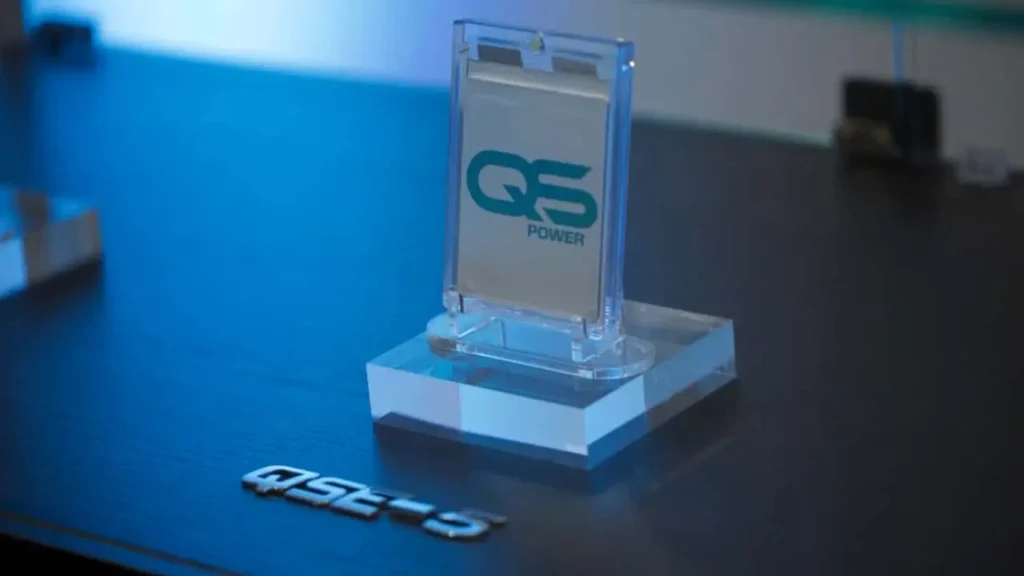
With cells now being produced on an automated line, QuantumScape joins a small group of companies attempting to commercialize true solid-state batteries, a goal that has long eluded the industry. While semi-solid-state batteries using gel electrolytes have reached limited production, no manufacturer has yet mass-produced fully solid-state batteries for consumer vehicles.
QuantumScape executives caution that substantial work remains. The company expects its batteries to appear first in low-volume, high-performance vehicles toward the end of the decade, before expanding into broader markets such as robotics and stationary energy storage. Rather than becoming a large-scale manufacturer, QuantumScape plans to license its technology, allowing automakers and partners to produce the batteries themselves.
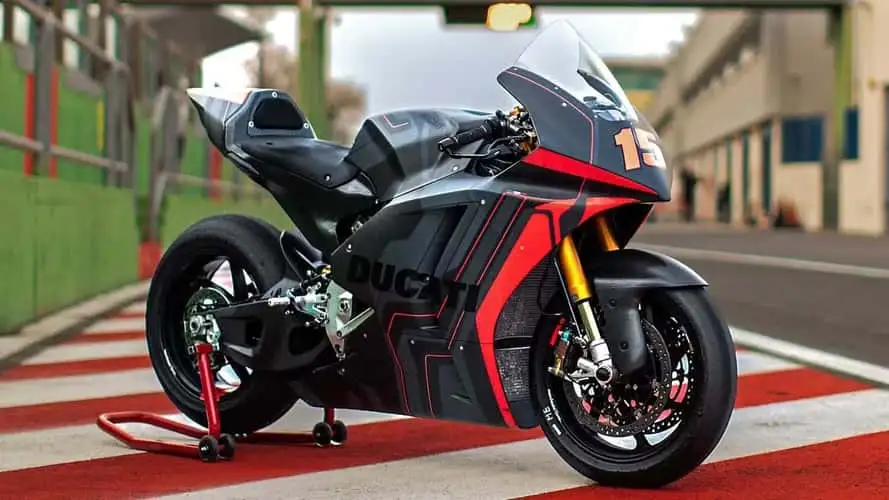
The pilot line also enables higher-volume testing and closer collaboration with customers, including Volkswagen, a major investor. QuantumScape previously demonstrated its technology in a Ducati electric motorcycle, offering an early glimpse of real-world performance.
The company expects steady improvements in performance and manufacturability, similar to the long evolution of lithium-ion batteries. While solid-state batteries are unlikely to replace lithium-ion entirely, QuantumScape believes the two technologies will coexist, each serving different applications based on cost, performance, and energy density needs.
Solid-State Batteries Will Push Electric Vehicles From Rapid Growth to Outright Dominance Across the Global Auto Industry
Solid-state batteries are shaping up to be one of the defining technologies that will push electric vehicles from rapid growth to outright dominance across the global auto industry. While today’s lithium-ion batteries have already made EVs viable for millions of drivers, solid-state technology addresses many of the remaining barriers that still give internal combustion vehicles a foothold.
At a fundamental level, solid-state batteries replace the liquid electrolyte found in conventional lithium-ion cells with a solid material. That change unlocks a cascade of benefits. Energy density can increase significantly, allowing EVs to travel farther on a single charge without adding weight or bulk. Charging times can drop sharply, shrinking one of the last psychological advantages of gasoline refueling. Just as important, solid-state cells are inherently more stable, reducing fire risk and improving durability under stress.
Those improvements matter because they strike at the core concerns that still limit mass adoption: range anxiety, charging inconvenience, safety perception, and long-term reliability. As solid-state batteries mature, EVs will not only match gasoline vehicles on these dimensions, they will surpass them. A lighter, more compact battery pack also frees up design flexibility, enabling better interiors, improved performance, and lower overall vehicle complexity.
Solid-state technology also changes the economics of electrification. Higher energy density means fewer raw materials per vehicle, while longer cycle life reduces total cost of ownership. Over time, that combination makes EVs cheaper to build and cheaper to operate, even without subsidies. Once price parity is firmly established, the superior efficiency of electric drivetrains becomes impossible to ignore.
Solid-state batteries do not need to replace lithium-ion overnight to reshape the market. As with every major automotive transition, adoption will begin in premium and performance-focused vehicles before scaling into mass-market models. That pathway mirrors the evolution of lithium-ion itself and reflects how automakers manage risk while introducing transformative technology.
When combined with expanding fast-charging networks, improved software, and increasingly strict emissions regulations, solid-state batteries help remove the final technical excuses for sticking with internal combustion. Gasoline vehicles will not disappear immediately, but their advantages will continue to shrink while EV benefits compound.
In that context, solid-state batteries are not just another incremental improvement. They are a catalyst. By pushing electric vehicles beyond parity and into clear superiority, they accelerate a future where EVs are no longer an alternative choice, but the default one across nearly every segment of the auto market.

Electric Vehicle Marketing Consultant, Writer and Editor. Publisher EVinfo.net.
Services