EV Sales in Europe Hit New Record, Nearly One in Four Cars Sold
On June 18, Reuters reported that rising fuel prices linked to the Iran war are driving stronger demand for both new and used electric vehicles across Europe, according to industry data. However, some executives cautioned that interest could weaken if petrol prices decline.
Analysts say the shift is being reinforced by ongoing improvements in charging infrastructure and the arrival of more affordable EV models, particularly from Chinese automakers, which are helping accelerate mainstream adoption.
Data from research group New Automotive and E-Mobility Europe showed new EV registrations rose 34% year-over-year in May across 17 European markets covering more than 90% of EU and EFTA car sales. Fully electric vehicles accounted for nearly one in four new registrations in those regions.
Automakers are also reporting increased consumer interest. Renault CEO François Provost said EV orders have risen by as much as 50% in some countries since the conflict began, though he expects momentum could ease if fuel prices fall. Ford Europe chief Jim Baumbick similarly noted a rise in interest, while warning the trend may not be permanent.
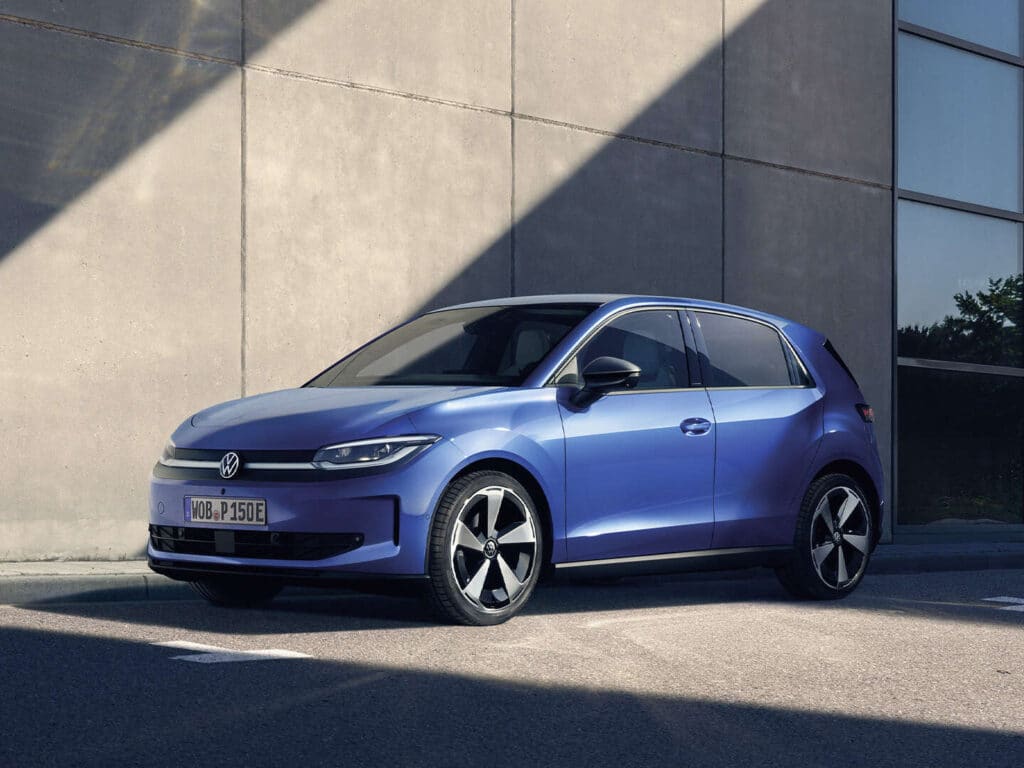
The conflict comes as European automakers expand their EV lineups with lower-cost models aimed at reducing one of the key barriers to adoption: higher upfront prices compared with internal combustion vehicles. Chinese brands such as BYD are also expanding in Europe with smaller, more affordable EVs, increasing competitive pressure in the segment.
Industry observers say demand is being supported by both new and used EV markets. Online platforms report rising interest, particularly in Chinese brands, while used EV supply continues to grow. Despite earlier price drops driven by Tesla’s 2023 cuts, resale values are beginning to stabilize as demand improves.
In the UK, used EVs aged two to four years are now selling for around 33% of their original value, compared with about 52% for comparable gasoline vehicles, according to Cox Automotive. Analysts suggest increasing supply and improving affordability could help sustain demand even if fuel prices ease in the coming months.
EVinfo.net’s Take: Europe is Realizing Renewable Energy and EVs Are Critical for National Security and Clean Air
More Europeans are realizing that EVs dont just save money and the environment, but these clean and cost-saving vehicles are also best for any nation’s energy security, when paired with renewable energy and batteries.
For decades, national security has been closely tied to energy security. Countries that depend heavily on imported oil and gas are vulnerable to geopolitical conflicts, supply disruptions, and price volatility. As recent global events have demonstrated, wars and instability in key energy-producing regions can quickly drive up fuel prices, disrupt supply chains, and create economic uncertainty. Renewable energy and electric vehicles offer a long-term solution that can strengthen national security while improving economic resilience.
Unlike oil, renewable energy resources such as solar, wind, hydroelectric, and geothermal power cannot be embargoed or controlled by foreign governments. Every nation has access to some form of renewable energy that can be developed domestically. Generating electricity at home reduces dependence on imported fossil fuels and limits exposure to global energy shocks.
Electric vehicles further enhance energy independence because they run on electricity rather than gasoline or diesel. As more vehicles transition to electric power, countries become less vulnerable to disruptions in global oil markets. Instead of sending billions of dollars overseas to purchase petroleum, nations can invest in domestic energy production, manufacturing, and infrastructure.
Renewable energy also creates a more resilient energy system. Traditional power grids often rely on centralized generation facilities that can become targets during natural disasters, cyberattacks, or military conflicts. Distributed energy resources, including rooftop solar, battery storage systems, and microgrids, provide backup power and reduce the risk of widespread outages.
EV batteries can also play an important role through vehicle-to-grid technology. Millions of connected EVs could serve as mobile energy storage units, helping stabilize electrical grids during peak demand periods or emergencies. This flexibility can improve grid reliability and reduce the need for expensive backup generation.
Economic security is another major benefit. Expanding domestic clean energy industries creates jobs in manufacturing, construction, battery production, software development, and charging infrastructure deployment. Countries that lead in these technologies will be better positioned to compete in the global economy.
Renewable energy and EVs also help shield consumers from unpredictable fuel costs. Electricity prices are generally more stable than oil prices, allowing households and businesses to better manage transportation expenses.
No energy system is entirely immune from supply chain challenges, particularly regarding critical minerals used in batteries. However, battery materials can be recycled and diversified across multiple sources, unlike oil, which must be continuously extracted, refined, and transported.
In the long term, renewable energy and electric vehicles represent more than an environmental transition. They are strategic investments in national security, economic stability, and energy independence. Countries that accelerate the adoption of these technologies will be better equipped to withstand geopolitical disruptions, protect consumers from fuel price shocks, and build a more resilient future.
In addition to enhanced national security, EVs provide clean air. Asthma + Lung UK, The American Lung Association and similar organizations support EV adoption.

Electric Vehicle Marketing Consultant, Writer and Editor. Publisher EVinfo.net.
Services