MIT-Led Study Found EVs Beat Gas Cars on Emissions, Varying by Location and Driving Habits
In 2026, misconceptions about electric vehicles continue to circulate, with some critics claiming EVs generate more emissions than gasoline-powered vehicles and simply shift pollution from the tailpipe to power plants. However, a growing body of research continues to show that these claims are inaccurate.
A new study led by researchers at MIT and published in Environmental Research Letters once again confirms that battery electric vehicles produce fewer greenhouse gas emissions over their lifetime than internal combustion engine vehicles across the United States. The amount of emissions reduction varies by region, largely because electricity generation differs from state to state, but the overall conclusion is clear.
Researchers found that EVs reduce emissions by 40% to 60% compared to gasoline vehicles in most areas of the country. Depending on local conditions, reductions can range from nearly 0% to as high as 82%.
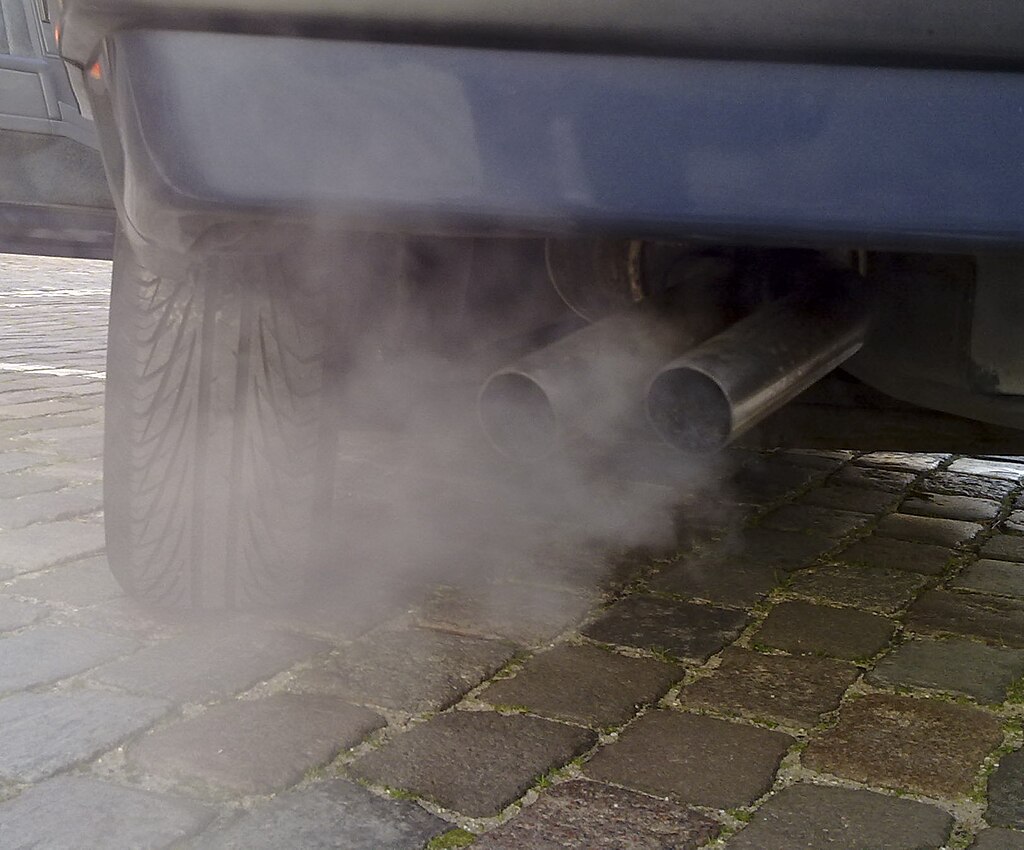

The electricity generation mix was identified as the biggest factor influencing regional differences. Areas that rely heavily on renewable energy sources produce the largest emissions savings, while regions that depend more on fossil fuels see smaller gains. Even so, the study found there is no location in the United States where an electric vehicle produces higher lifetime emissions than a comparable gasoline-powered vehicle.
Researchers noted that even regions with the country’s most carbon-intensive electricity grids do not see EVs increasing lifecycle emissions relative to internal combustion vehicles. The greatest benefits are found along the West Coast, particularly in California and the Pacific Northwest, where cleaner energy sources dominate electricity production.
States such as Colorado, Nebraska, Montana, and Wyoming showed more modest reductions, but EVs still maintained an advantage over gasoline vehicles.
The study also considered variables such as climate, driving habits, and vehicle type. Researchers found that EVs deliver the greatest emissions reductions in areas with cleaner electricity, dense traffic, high annual driving distances, and mild to warm climates.
On an individual level, drivers who travel longer distances, operate larger vehicles, and frequently take short trips stand to benefit the most from switching to electric transportation.
Urban driving is especially favorable for EVs because gasoline vehicles perform inefficiently in stop-and-go traffic. Cold starts, idling, and low-speed operation significantly reduce the efficiency of internal combustion engines. Electric vehicles, by contrast, do not idle in the traditional sense, and regenerative braking recaptures energy that would otherwise be lost as heat.
According to the U.S. Department of Energy, gasoline vehicles convert only 14% to 20% of fuel energy into motion during city driving, with 71% to 75% lost through engine inefficiencies and another 6% lost while idling. EVs, meanwhile, use up to 66% of their energy to propel the vehicle in urban environments, and when regenerative braking is included, efficiency can exceed 94%.
The study also examined plug-in hybrid vehicles. Researchers found that PHEVs can deliver 80% to 90% of the emissions reductions achieved by battery electric vehicles in urban areas and roughly 60% in less densely populated regions, provided owners charge them regularly. Charging frequency remains one of the biggest factors determining whether PHEVs achieve their full environmental potential.
The MIT study adds to a growing collection of research supporting EV adoption. The GREET Life Cycle Assessment Model found EVs produce 46% lower lifecycle emissions than gasoline vehicles, while a 2025 study by the International Council on Clean Transportation concluded that EVs sold in Europe generate 73% lower lifetime emissions. Plug-in hybrids reduced emissions by approximately 30%.
Beyond reducing greenhouse gases, electric vehicles also improve local air quality by removing exhaust emissions from densely populated areas. Even when electricity generation produces emissions, those emissions are typically generated farther away from residential neighborhoods.
Researchers say the environmental benefits of EVs will continue to grow as the U.S. electric grid incorporates more renewable energy. However, they caution that the growing popularity of larger vehicles could slow progress toward transportation decarbonization.
The study ultimately reinforces a conclusion supported by years of research: electric vehicles are cleaner than gasoline-powered cars, and their advantages will become even greater as electricity generation continues to transition toward cleaner energy sources.

Electric Vehicle Marketing Consultant, Writer and Editor. Publisher EVinfo.net.
Services