New Study Finds That One Person Dies Globally Every 45 Seconds as a Result of Vehicle Exhaust Pollution
A new study from the International Council on Clean Transportation (ICCT), the organization known for exposing Volkswagen’s Dieselgate emissions scandal, concludes that a faster global transition to electric vehicles could prevent 8.8 million premature deaths by 2050.
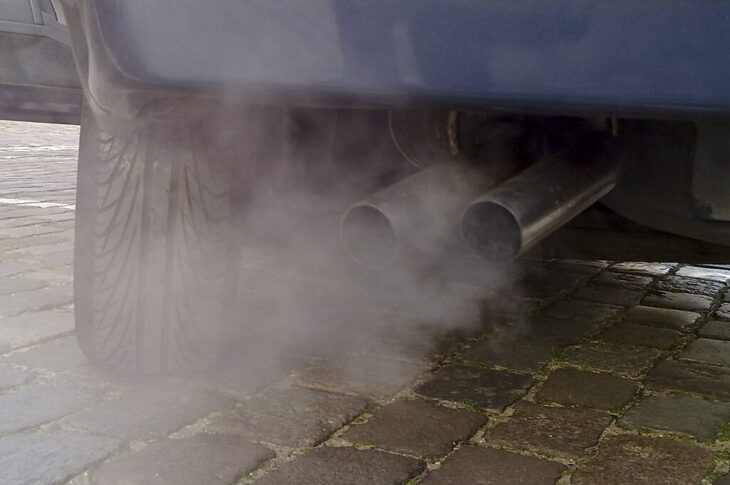
According to the report, vehicle exhaust pollution currently contributes to one death somewhere in the world every 45 seconds. Researchers examined the health impacts of pollutants including fine particulate matter, nitrogen dioxide, and ground-level ozone, all of which are heavily linked to internal combustion engine vehicles. In 2024 alone, these pollutants were associated with approximately 700,000 premature deaths and 250,000 new childhood asthma cases worldwide, including about 42,000 deaths annually in the United States.
The ICCT compared several future transportation scenarios through 2050. Under a baseline scenario that assumes current policies remain unchanged, premature deaths from vehicle pollution would increase by 74%, reaching one death every 26 seconds by mid-century.

The outlook changes dramatically under a more ambitious electrification pathway. If governments adopt policies that lead to 100% global electric vehicle sales by 2045, with light-duty vehicles reaching that milestone by 2040 and some markets even sooner, premature deaths would decline by 63% while new childhood asthma cases would fall by 80%. The study estimates this transition would save 8.8 million lives by 2050.
The report also highlights the outsized impact of heavy-duty trucks. Although passenger vehicles far outnumber commercial trucks, each diesel truck emits substantially more harmful pollution, making heavy-duty fleet electrification one of the most effective ways to improve public health.
Importantly, the analysis focuses only on the health effects of air pollution. It does not account for the broader impacts of greenhouse gas emissions, including climate change, rising sea levels, and increasingly severe weather events, all of which carry additional economic and human costs. According to the United Nations, the global transportation sector is responsible for nearly 25% of energy-related greenhouse gas (GHG) emissions.
The ICCT’s findings reinforce growing evidence that accelerating transportation electrification is not only a climate strategy but also a major public health opportunity capable of preventing millions of avoidable deaths over the coming decades.
The American Lung Association supports EV adoption. The association’s report, Driving to Clean Air
Health Benefits of Zero-Emission Cars and Electricity says that by achieving 100 percent zero-emission passenger vehicle sales and non-combustion clean electricity generation by 2035, the national, cumulative health benefits could reach the following levels by 2050:
$978 billion in public health benefits
89,300 fewer premature deaths
2.2 million fewer asthma attacks
10.7 million fewer lost workdays

Electric Vehicle Marketing Consultant, Writer and Editor. Publisher EVinfo.net.
Services