Universal Technical Institute Rolls Out EV and Hybrid Training Across U.S.
Universal Technical Institute (UTI), the automotive, diesel, skilled trades, electrical, and energy education company, announced that battery hybrid electric vehicle (BHEV) and electric vehicle (EV) training is now included in all of its core Automotive Technology programs nationwide.
The expanded curriculum is designed to prepare students for the growing shift toward vehicle electrification by introducing them to high-voltage vehicle operation, EV components, diagnostics, service procedures, and electronic principles. Students will also receive hands-on instruction in electric battery vehicle system operation and testing.
Depending on the campus location, students may train on vehicles such as the Ford Mustang Mach-E, Hyundai IONIQ 5, and FIAT 500e, providing real-world experience with some of today’s leading electric models.
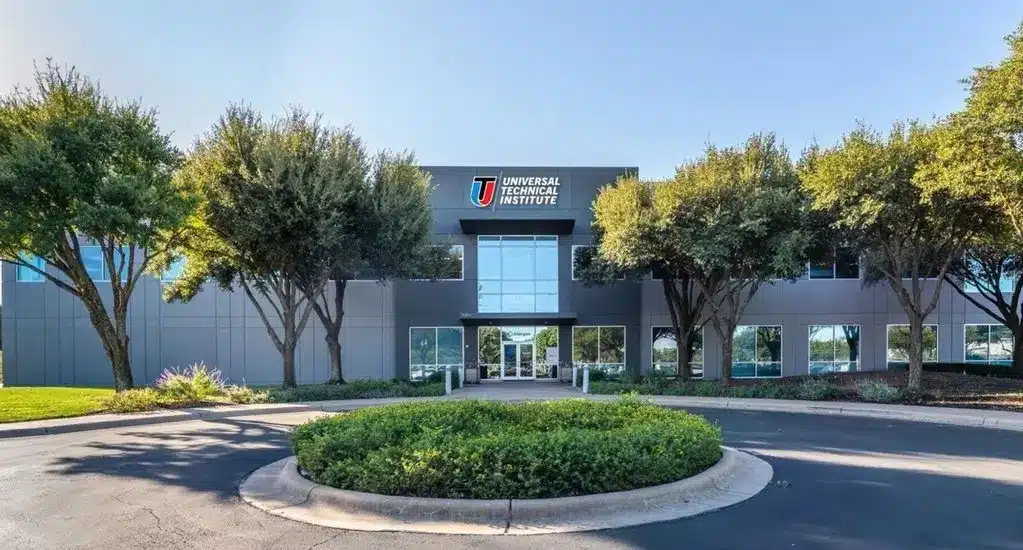
The campuses where BHEV and EV courses are now a standard part of the Automotive Technology program include Austin, Avondale, Bloomfield, Dallas, Exton, Houston, Lisle, Long Beach, Miramar, Mooresville, Orlando, Rancho Cucamonga, and Sacramento.
The curriculum will also be incorporated into Automotive Technology programs at UTI’s upcoming Atlanta and Salt Lake City campuses when they open, as well as future locations that offer the program.
The program is designed to prepare graduates for entry-level careers at dealerships, independent repair shops, manufacturers, and fleet operations. Students can also pursue manufacturer-specific advanced training opportunities with companies such as Ford after completing their core education, allowing them to develop specialized EV skills tied to specific brands.
The timing is significant. UTI notes that EV adoption is expected to continue increasing throughout the decade, creating additional demand for technicians capable of maintaining increasingly complex electrical systems and drivetrains. As vehicles become more software-defined and electrified, technicians will need skills that extend far beyond traditional mechanical repairs.
Beyond automotive programs, UTI has expanded into several technical fields including robotics, industrial maintenance, electrical systems, HVACR, welding, aviation, and wind turbine technology. Many programs can be completed in two years or less, allowing students to enter the workforce more quickly than a traditional four-year degree path.
By expanding EV education nationwide, UTI is helping prepare the next generation of technicians with the skills needed to support the rapidly evolving automotive industry and the increasing adoption of electric vehicles.
The automotive workforce is entering a period of transformation unlike anything seen in decades. Electric vehicles, advanced driver assistance systems, and increasingly sophisticated software platforms are changing what it means to be an automotive technician. Institutions like UTI are adapting their programs to reflect these changes, aiming to provide students with the skills needed to work on the next generation of transportation technologies.

Electric Vehicle Marketing Consultant, Writer and Editor. Publisher EVinfo.net.
Services