EV Range Anxiety is Disappearing
Range anxiety is the fear that an electric vehicle will run out of battery power before reaching its destination or the next available charging station. It is a concern for some consumers considering an EV, particularly when traveling long distances or driving in areas with limited charging infrastructure.
A decade ago, buying an electric vehicle with more than 300 miles of driving range meant spending nearly $100,000. Today, 300 miles is around the middle of the market, and even some of the least expensive EVs offer more than 200 miles of range.
The improvement reflects dramatic advances in battery technology, electric motors and vehicle efficiency, along with declining battery costs. More range also helps reduce range anxiety.
According to BloombergNEF, the global average lithium-ion battery pack price fell to $108 per kilowatt-hour in 2025, an 8% decline from 2024 and more than 90% below 2010 levels. Raymond James managing director Pavel Molchanov called the reduction an astonishing achievement. In a recent EV market report, he suggested that 500 miles of range could become normal by 2030.
The implications extend beyond vehicle ownership to global oil demand. Electric cars and light trucks already reduced worldwide oil consumption by approximately 2.2 million barrels per day in 2025, equivalent to 2% to 3% of global demand, according to Raymond James. Molchanov expects that reduction to more than double by 2030, contributing to a potential peak in global oil demand.
The 2027 model-year vehicle with the longest EPA-estimated range is the Lucid Air Grand Touring AWD with 19-inch wheels, offering 512 miles. However, its $114,900 starting price puts it beyond the reach of most consumers. Lucid achieves its impressive range through highly efficient motors, batteries and other components, delivering approximately five miles per kilowatt-hour.
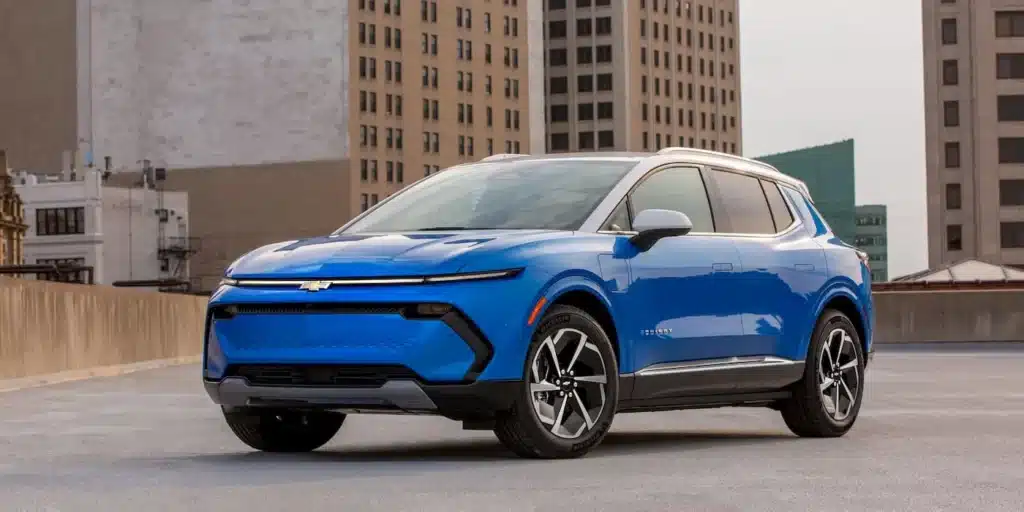
The median range across 2027 EV models is 311 miles. However, consumers do not need to spend luxury-car prices to get more than 300 miles. The Chevrolet Equinox FWD offers 319 miles starting at $36,795, while the Toyota bZ XLE FWD Plus delivers 314 miles starting at $37,980.
At the other end of the market, the VinFast VF 7 Plus has a listed range of 209 miles. VinFast’s VF 8 offers 256 miles with a starting price of $40,400.
A comparison with vehicles from a decade ago illustrates the transformation. The 2017 Tesla Model S AWD 100D offered the longest range at 335 miles, but started at approximately $94,000. The Smart Fortwo Electric Drive Convertible managed just 57 miles despite costing $28,750.
The progress becomes even more remarkable when looking back to 2011. Department of Energy data lists only four electric models that year: the BMW 1 Series ActiveE, Nissan Leaf, Smart Fortwo Electric Drive Coupe and Smart Fortwo Electric Drive Cabriolet. The BMW had the longest range at just 94 miles.
Today, more than 100 EV models are available, with driving ranges continuing to improve.
Range anxiety has not disappeared, and public charging infrastructure remains inadequate in some states and regions. However, longer ranges and expanding charging networks are making those limitations less significant.
An electric vehicle capable of traveling 300 miles or more on a charge changes the economics and convenience of ownership. Battery innovation has moved EVs from limited-range urban transportation to practical alternatives for everyday driving, interstate travel and family transportation.
The next milestone could be 500 miles of affordable electric driving range with solid state batteries, further reducing one of the biggest barriers to widespread EV adoption.

Electric Vehicle Marketing Consultant, Writer and Editor. Publisher EVinfo.net.
Services