Glydways Tests Autonomous Electric Transit System in Atlanta Ahead of Pilot Launch
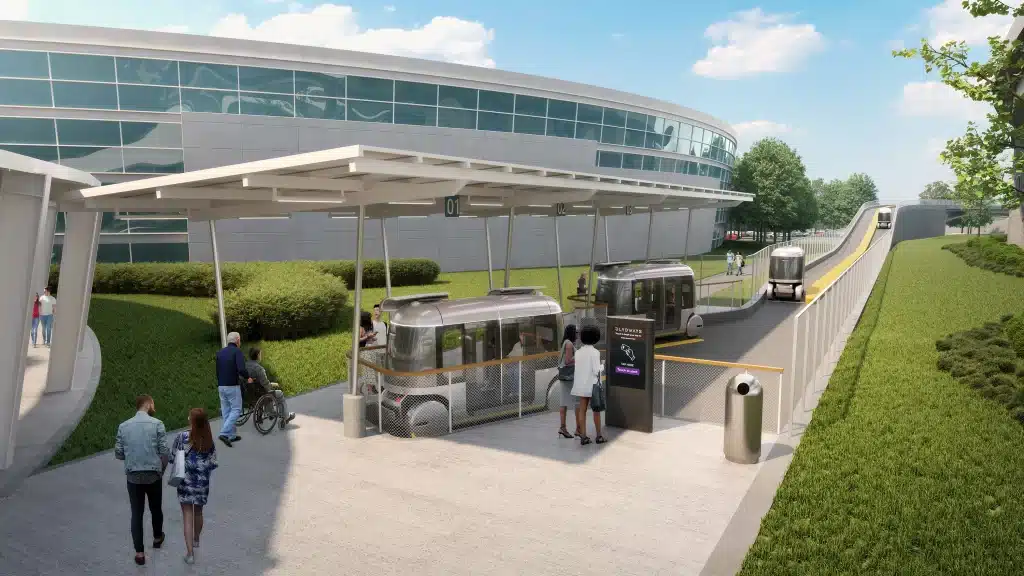
Glydways announced on Linkedin on November 5, 2026 that it is putting its first Glydcar through its paces in South Metro Atlanta as preparations continue for an autonomous transit pilot near Hartsfield-Jackson Atlanta International Airport. The initial vehicle is being tested to make sure the car, dedicated guideway, and Glydways OS are properly integrated and communicating. When the rest of the fleet arrives, the vehicles will be incorporated into the system and prepared for passenger service.
Glydways has developed an Automated Transit Network that uses autonomous electric vehicles operating on small, dedicated guideways. The vehicles are coordinated by artificial intelligence through Glydways OS, allowing the system to provide high-capacity transportation with on-demand trips.
The company says its technology can deliver scalable transit systems that are cost-effective to build, deployable in months, and do not require operational subsidies. Glydways presents the system as a sustainable and financially viable transportation option for cities and communities dealing with congestion and changing mobility needs. For riders, the company promises 24/7 on-demand service featuring direct trips, personal vehicles, affordable fares, and accessibility designed to expand access to jobs, services, and other opportunities.
An April 28, 2026, report by Axios Atlanta detailed plans for a Glydways pilot serving the area surrounding Hartsfield-Jackson Atlanta International Airport. The world’s busiest airport is surrounded by warehouses, cargo businesses, hotels, Delta Air Lines offices, and other commercial operations that function around the clock. A coalition of local businesses is pursuing an autonomous transportation option that could connect these destinations and serve people and locations that the Metropolitan Atlanta Rapid Transit Authority (MARTA) does not currently reach.
A 0.5-mile test route is in College Park, just west of the airport. The project is being developed by Glydways and the Atlanta Airport Community Improvement Districts (AACID). If the test project succeeds, the route could be expanded to serve a larger area.
The planned 24-month pilot is scheduled to launch later in 2026. It will serve the Georgia International Convention Center (GICC) and Gateway Center Arena while connecting passengers to the airport’s SkyTrain. The initial service will operate during limited hours using autonomous vehicles capable of carrying approximately four passengers. The vehicles will travel independently along a fixed guideway rather than operating in regular mixed traffic.
Passengers will walk to designated pickup and drop-off stops, where they can request a vehicle or board one that is already waiting. The system can also bypass stops that are not required for a passenger’s destination, allowing vehicles to provide more direct trips.
Glydways Chief Commercial Officer Chris Riley told Axios that the technology is intended to complement MARTA, not replace it. Riley emphasized that Glydways is not designed to operate in isolation. AACID Program Director Krystal Harris also told Axios that MARTA is studying the project.
Seung Eun (Katy) Choi, a Georgia Tech PhD candidate who studies autonomous transportation, cautioned that the technology remains in a proof-of-concept phase. She said MARTA integration could be a game-changer, but the pilot must first demonstrate through data that sufficient passenger demand exists and that the system is reliable. She also noted that broader success will depend on how seamlessly the different transportation services work together, including compatible routes and operating hours, rider comfort, and ideally a unified fare experience.
Project leaders acknowledge that some passengers may have to transfer between Glydways, the airport SkyTrain, and MARTA to travel from the Georgia International Convention Center to the train service into Atlanta. They believe the convenience of on-demand transportation will outweigh the inconvenience of making those connections.
Glydways is part of a broader effort to introduce autonomous transportation in the Atlanta region. The Atlanta Beltline is expected to launch a one-year autonomous shuttle pilot connecting the West End MARTA station to the Lee & White district in May 2026. During the final half of the pilot, the route is expected to extend to the Atlanta University Center.
The Cumberland Sweep, a planned three-mile loop around the Cumberland area that includes an autonomous shuttle, also plans to break ground on the route’s third phase in 2026.
The initial Glydways test route will help determine whether autonomous electric vehicles operating on dedicated guideways can provide a reliable, affordable, and expandable transportation option for the airport area and potentially other communities.

Electric Vehicle Marketing Consultant, Writer and Editor. Publisher EVinfo.net.
Services