New Governors, Congress Should Support EVs, V2G And Renewable Energy
Democrats made significant gains in the 2026 elections, winning five Republican-held governorships and establishing a majority among the nation’s governors for the first time in 16 years. Democrats also won control of the House and Senate, winning seats in deep red and battleground states.
As of November 9, BallotPedia reported Democrats had won 22 of the 36 gubernatorial races, compared with 12 Republican victories. Two races remained uncalled, one previously held by each party. All five changes in party control went to Democrats, with no Republican pickups.
Democrats have generally demonstrated greater support for electric vehicle adoption, renewable energy development, emissions reductions, and clean transportation policies. Their electoral gains could create additional opportunities for investment in EV incentives, charging infrastructure, battery manufacturing, solar power, and wind energy.
Research published in Energy Economics in 2024 found that Democratic governors had a positive average impact on renewable energy adoption at the state level. However, economic conditions, manufacturing interests, and available renewable resources also influenced policy outcomes.
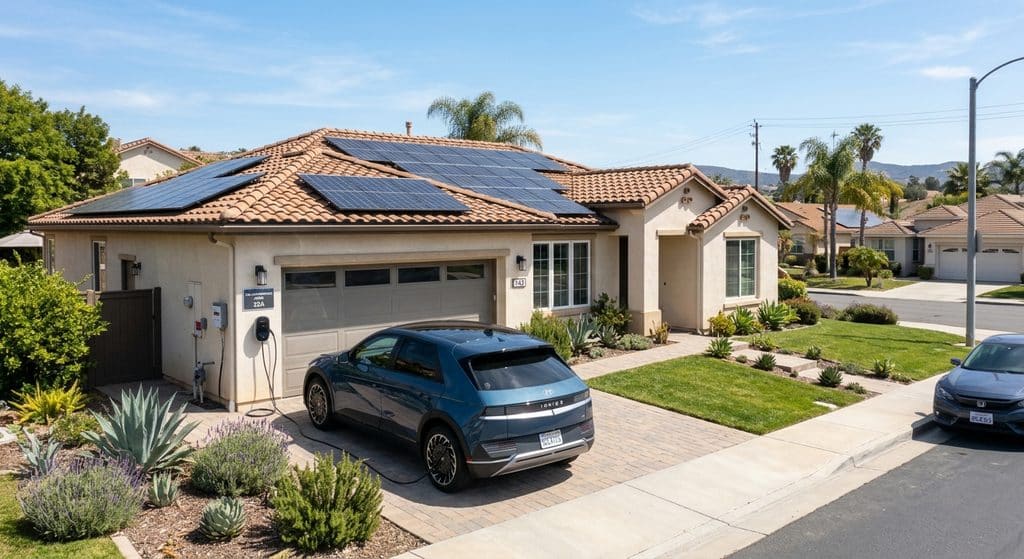
Electric Vehicles Can Strengthen America’s Economy, Energy Security, and Power Grid
Electric vehicles offer the United States significant economic, environmental, public health, and national security benefits. Lower fuel and maintenance expenses help consumers save money, while reduced tailpipe pollution improves air quality and public health. EV adoption also supports domestic manufacturing, battery production, and charging infrastructure investment.
According to Coltura, the average EV driver saves more than $1,800 annually on fuel and maintenance. EVs also have fewer moving parts than gasoline-powered vehicles, eliminating routine oil changes and reducing maintenance requirements. Research from MIT indicates that EVs can deliver both emissions reductions and ownership cost savings for most U.S. drivers.
EVs produce zero tailpipe emissions and generally generate substantially lower lifetime greenhouse gas emissions than comparable gasoline vehicles, even when electricity generation is considered. Greater electrification also reduces dependence on petroleum markets and strengthens domestic energy security.
An additional opportunity is vehicle-to-grid (V2G) technology, which allows compatible EVs to send electricity back to homes and the power grid.
GM Wants Utilities to Put Bidirectional EV Batteries to Work
In a June 9, 2026, open letter to American utility executives and energy policymakers, General Motors called for greater collaboration to integrate bidirectional EVs into the nation’s electricity infrastructure.
GM reported that more than 250,000 bidirectional-capable vehicles were already on U.S. roads. Together, their batteries could provide enough energy to power 120,000 homes for up to one week.
The company is testing vehicle-grid integration with Pacific Gas and Electric (PG&E), projecting that more than 52,000 GM EVs could participate in grid-balancing programs by 2030. Additional testing with DTE Energy in Michigan explores residential backup power.
GM identified three priorities: simplifying customer enrollment in utility programs, establishing attractive electricity rates and compensation for grid services, and streamlining bidirectional charger installation and utility interconnection.
Why Renewable Energy Is Valuable and Deserves Stronger Support
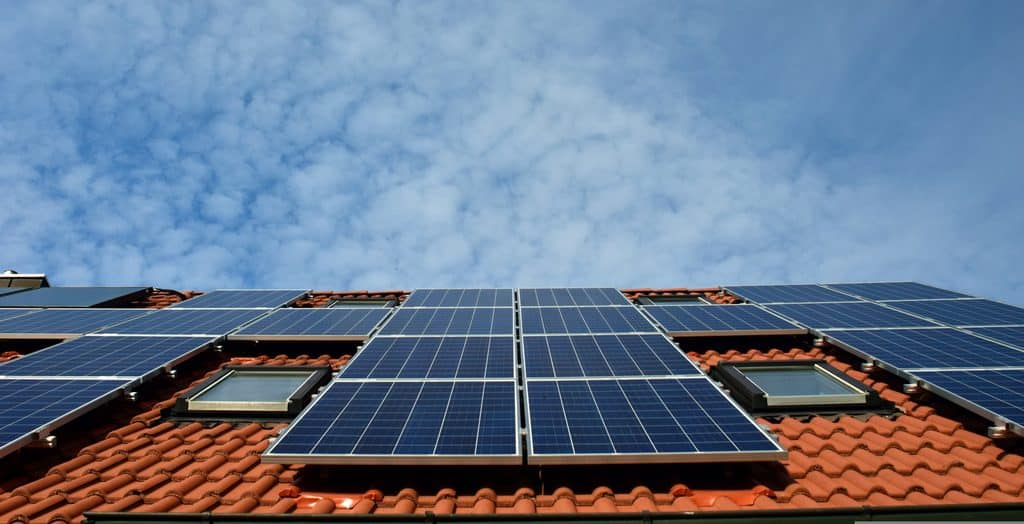
Renewable energy is one of the most important investments the United States can make in its economic future, energy security, and environmental health. Solar, wind, hydropower, and other renewable sources reduce dependence on fossil fuels while providing increasingly affordable ways to generate electricity.
One major advantage is energy independence. Oil and gas prices can fluctuate dramatically because of geopolitical conflicts, supply disruptions, and decisions made by foreign producers. Expanding domestic renewable energy gives the United States more control over its energy supply and reduces exposure to international fuel markets. Sunlight and wind are domestic resources that cannot be disrupted by events in the Strait of Hormuz or other critical shipping routes.
Renewables also offer long-term economic benefits. Solar and wind projects create jobs in manufacturing, construction, installation, maintenance, and engineering. They can attract investment to rural communities, generate local tax revenue, and provide additional income for landowners. As technology improves, renewable electricity can also help stabilize energy costs by reducing reliance on fuels with volatile prices.
Electric vehicles make the transition even more valuable. Replacing gasoline and diesel consumption with electricity reduces transportation emissions and dependence on petroleum. When EVs charge using solar, wind, and other clean energy sources, their environmental benefits increase. Renewable electricity can also support vehicle-to-grid technology, allowing compatible EVs to return stored energy to homes and the electric grid.
Renewable energy provides important environmental and public health benefits. Generating electricity without burning fossil fuels reduces greenhouse gas emissions and air pollutants associated with respiratory and cardiovascular problems. Cleaner electricity also helps communities address climate change while improving local air quality.
EVinfo.net’s Take: Good Leadership Matters for America’s Electric Future
The 2026 election results could create exciting new opportunities to accelerate America’s transition to electric transportation and renewable energy.
States play a critical role in EV adoption through purchase incentives, charging infrastructure programs, utility regulations, fleet electrification, and consumer education. Strong state leadership can help sustain progress even when federal policies change.
The United States needs a consistent, long-term commitment to electrification, clean energy, V2G and domestic battery manufacturing. The changing balance of governorships, and senate and house seats, could influence how quickly individual states advance those important priorities. New house and senate members can create better lawmaking at a national level. We urge the new governors, representatives, and senators to support EVs, V2G and renewable energy.

Electric Vehicle Marketing Consultant, Writer and Editor. Publisher EVinfo.net.
Services