U.S. Oil Profits Rose to Over $130B From April to September 2026, While EV Adoption Grows
American oil companies appear to be vastly benefiting financially from the Iran-U.S. conflict while consumers suffer soaring fuel costs.
According to a report published by The New York Times on October 30, 2026 and reported by Yahoo Finance, American oil companies generated more than $130 billion in profits from April through September 2026, compared with less than $47 billion during the same period in 2025. Meanwhile, consumers continued to pay significantly more for gasoline, diesel and other fuels.
By October 30, Americans had spent an additional $147 billion on gasoline and diesel since the United States and Israel began striking Iran in late February. That amounts to approximately $1,100 per household, according to an analysis by Brown University’s Climate Solutions Lab cited by the newspaper.
The growing gap between record oil industry profits and rising household fuel expenses highlights how geopolitical conflicts can deliver enormous financial gains for oil producers while shifting the economic burden onto American consumers.
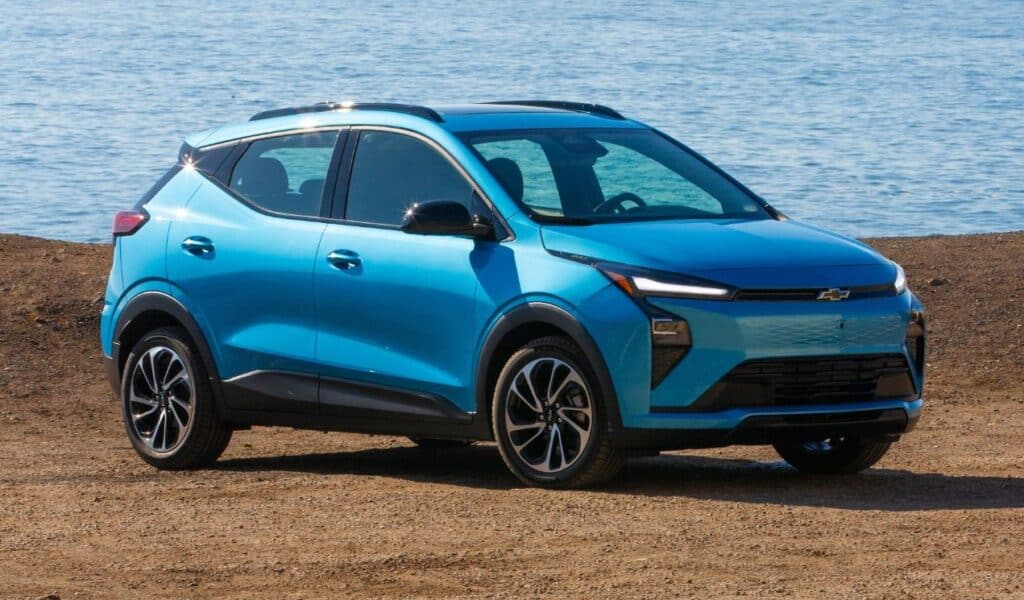
U.S. EV Sales in Q3 2026 Reach Highest Quarterly Volume in a Year
U.S. electric vehicle sales reached 262,649 in the third quarter of 2026, the strongest quarterly performance in a year, according to Kelley Blue Book estimates from Cox Automotive. Sales increased 6.1% from the second quarter, marking the highest total since Q3 2025.
Although sales declined 39.5% year over year, the comparison reflects an unusually strong Q3 2025, when consumers rushed to purchase EVs before federal incentives expired. The latest results suggest the market is beginning to recover from that sharp correction.
EVs accounted for 6.4% of new-vehicle sales, up from 5.8% in Q2. Including conventional hybrids and plug-in hybrids, nearly 25% of all new vehicles sold during the quarter were electrified.
“What we’re seeing now is a market finding its footing again,” said Stephanie Valdez Streaty, director of Industry Insights at Cox Automotive. She pointed to improving sales throughout 2026, competitive pricing, new vehicle offerings and gasoline prices exceeding $4 per gallon as factors supporting EV demand.
The results indicate that the U.S. EV market is beginning to stabilize as automakers expand their offerings, consumers consider more electrified options and elevated gasoline prices strengthen the economic case for electric driving.
However, EV market share remains well below the more than 10% recorded in Q3 2025. Sustaining growth without federal purchase incentives remains a significant challenge, particularly as the U.S. faces increasing competition from international EV markets.
Read the Q3 2026 Kelley Blue Book EV Sales Report.
Used EV Prices Rise Nearly 10% as Electric Vehicles Sell Faster Than Gasoline Cars
Used electric vehicles (EVs) are gaining value and selling faster than gasoline-powered vehicles, signaling growing consumer demand in the pre-owned market. Average used EV prices increased 9.8% over the past year, compared with 4.9% for hybrids and just 0.3% for gasoline vehicles.
The findings come from an October 28, 2026, iSeeCars study analyzing more than 1.5 million used vehicles between 1 and 5 years old, comparing September 2025 and September 2026 data.
The study also found a significant shift in selling times. Used EVs went from taking slightly longer to sell than gasoline vehicles to selling nearly two weeks faster. This suggests that electric vehicles are becoming increasingly attractive to used-car shoppers.
Higher gasoline prices are helping strengthen the economic case for used EVs, as consumers look for ways to reduce fuel expenses. Although the expiration of federal incentives initially disrupted EV demand and resale values, the latest findings point to a recovery in the used market.
Rising Fuel Prices Push Gasoline-Only Cars Below 50% of Global Vehicle Sales for First Time
Gasoline-only vehicles accounted for less than 50% of global new-car sales for the first time ever, as soaring fuel prices and disruptions caused by the Strait of Hormuz crisis accelerated the transition toward electric vehicles (EVs) and hybrids.
In an October 4, 2026, report, OilPrice.com highlighted how the Iran war and resulting increases in gasoline and diesel prices are changing consumer purchasing decisions, particularly in markets outside China.
China crossed the 50% threshold for combined hybrid and EV sales several years ago, and electrified vehicles now account for approximately 55% of its new-car market. Other global markets have been slower to make the transition, but rising fuel costs are accelerating consumer interest in alternatives to conventional gasoline-powered vehicles.
According to automotive data and analytics provider Mobility Global, cited by Nikkei Asia, global sales of gasoline-only vehicles, excluding hybrids, fell 10% year over year between January and June 2026, reaching 20.25 million vehicles. Their share of total global automotive sales declined by 3 percentage points to 49%.
The shift highlights how rising petroleum costs can accelerate EV adoption. As gasoline and diesel become more expensive, consumers have greater financial incentive to consider vehicles that reduce or eliminate their dependence on fossil fuels.

Electric Vehicle Marketing Consultant, Writer and Editor. Publisher EVinfo.net.
Services