Port of Long Beach Authorizes $58.2M for Goal of Becoming World’s First Zero-Emissions Port
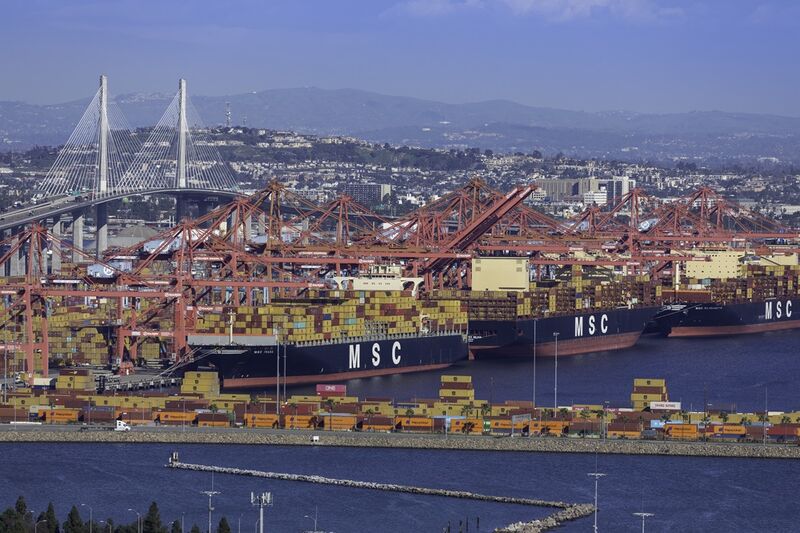
In June 2026, The Port of Long Beach announced it has taken another major step toward its goal of becoming the world’s first zero-emissions port by approving $58.2 million to purchase and deploy additional zero-emission cargo-handling equipment, cleaner harbor vessels, and a zero-emission locomotive.
The funding was approved by the Long Beach Board of Harbor Commissioners and is part of a larger grant awarded through the California State Transportation Agency’s System-Wide Investment in Freight Transport (SWIFT) program. The initiative supports the deployment of advanced zero-emission technologies, improves freight movement efficiency, and reduces environmental impacts on neighboring communities.
The new investment will enable port tenants and operators to acquire 61 human-operated zero-emission cargo-handling machines along with 21 charging stations to support the new equipment.
Funding will also support the deployment of six zero-emission harbor craft and five cleaner harbor vessels that will replace older diesel-powered boats, helping reduce emissions from maritime operations.
In addition, the project will advance the deployment of one zero-emission locomotive, further expanding the Port’s transition toward cleaner freight transportation across multiple modes of operation.
“Expanding our clean technology portfolio is critical to the future of goods movement and to the health of the communities around us,” said Port of Long Beach CEO Dr. Noel Hacegaba. “We are not waiting for the future to arrive, we are shaping it and leading the way by deploying the latest zero-emission equipment to make a difference today.”
Long Beach Harbor Commission President Frank Colonna said the Port continues to invest in zero-emission infrastructure while offering incentives that encourage early adoption of clean technologies.
“This latest round of funding builds on the Port’s broader SWIFT program, which is accelerating the transition to zero-emission operations while improving the reliability and efficiency of cargo movement,” Colonna said.
The latest investment represents another milestone in the Port of Long Beach’s long-term strategy to eliminate emissions from cargo operations while maintaining one of the nation’s busiest and most efficient freight gateways. By expanding the deployment of electric cargo-handling equipment, cleaner harbor craft, and zero-emission rail technology, the Port continues to position itself as a leader in sustainable maritime logistics.
EVinfo.net’s Take: America’s Ports Need More Electric Vehicles and Zero-Emission Equipment
America’s ports are the backbone of global trade, moving millions of containers every year and supporting hundreds of thousands of jobs. Unfortunately, they are also among the most heavily polluted areas in the country. Diesel-powered trucks, cargo-handling equipment, locomotives, harbor craft, and oceangoing ships operate around the clock, producing nitrogen oxides, particulate matter, greenhouse gases, and constant noise.
Many of these ports are located next to low-income neighborhoods and communities that have carried the burden of pollution for decades. Residents living near major ports often experience higher rates of asthma, heart disease, and other respiratory illnesses linked to diesel emissions. Children and older adults are especially vulnerable to poor air quality.
The transition to zero-emission transportation offers an opportunity to improve both public health and freight operations. Electric cargo-handling equipment, battery-electric trucks, electric harbor vessels, and future electric or hybrid ships can dramatically reduce harmful emissions while creating quieter working environments for dockworkers and nearby residents. Replacing diesel engines with electric drivetrains also reduces vibration and noise pollution, improving quality of life in surrounding communities.
Electrification makes economic sense as well. Electric motors have fewer moving parts than diesel engines, reducing maintenance requirements and lowering operating costs over time. Electricity prices are generally more stable than diesel fuel, helping ports and fleet operators better manage long-term operating expenses. As battery technology improves and charging infrastructure expands, the financial advantages of electric equipment are expected to grow.
Electric ports can also strengthen the nation’s energy security. Every electric truck or cargo crane powered by domestically generated electricity reduces dependence on petroleum and helps shield freight operators from global oil price volatility. Pairing port electrification with renewable energy and battery storage can further reduce operating costs while increasing grid resilience.

Electric Vehicle Marketing Consultant, Writer and Editor. Publisher EVinfo.net.
Services