Expert Tips to Make Cross-Country EV Driving Easy
The idea of a cross-country road trip in an electric vehicle (EV) can seem a little intimidating at first. Thoughts of running out of battery in the middle of nowhere or waiting hours at a slow charger may give pause to even the most seasoned road-trippers. But the good news is that with a bit of strategic planning, cross-country EV travel can be just as smooth, and even more enjoyable and cost-effective, than traditional gas-powered journeys. Below are expert tips to help you minimize charging stops, avoid range anxiety, and make the most of your trip.
Gas Stations Are Everywhere, Chargers Aren’t (Yet)
Gas stations have been a part of U.S. infrastructure for over a century. There are more than 145,000 gas stations across the country, and they’re located in virtually every town, off every freeway exit, and often within a few miles of each other. They’re easy to spot, often with large signs and consistent branding.
In contrast, while the number of EV chargers is growing quickly, with over 65,000 public charging stations and nearly 170,000 charging ports in the U.S., they’re often tucked away in parking garages, behind buildings, or in hard-to-spot locations like hotel lots or shopping center back corners. Unless you’re using a dedicated app to guide you, they can be tough to find.
Coastal states like California, New York, Oregon, and Washington are leading the charge in electric vehicle adoption and public charging infrastructure. Others, particularly in the Midwest, South, and parts of the Mountain West, still have limited access to reliable public EV charging. So, depending where you are going, there may be lots of chargers or they may be hard to find.
The U.S. Department of Energy’s Alternative Fuels Data Center provides an Electric Vehicle Charging Station Locations map, helping you find electric vehicle charging stations in the United States and Canada. This tool is handy for seeing where EV charging is scarce.

Use a Route Planning App or Built-In EV Navigation
Many newer EVs come with built-in navigation systems that automatically calculate charging stops based on your vehicle’s range and your selected destination. For example, EVs with Google Maps integration, like those from General Motors, including the Chevrolet Equinox EV, can route you through appropriate fast-charging stations automatically.
Keep these on your phone:
PlugShare: Crowdsourced database of nearly all chargers, with reviews, photos, and filter options.
A Better Route Planner (ABRP): Custom route planning with charging stops tailored to your vehicle.
Google Maps: Now shows EV chargers, and some locations list real-time availability and speed of the chargers.
Always Have a Backup Plan and Range Cushion
Even with a carefully planned route, things can go wrong: chargers may be out of order, temporarily offline, or occupied. That’s why it’s smart to always identify a secondary charging station near each planned stop, preferably within 10 to 15 miles.
Also, leave yourself a range buffer, don’t aim to arrive at a charger with 1% battery remaining. Weather, traffic, or terrain (like unexpected hills) can impact range. Having a cushion of at least 20–30 miles can be the difference between making it to a charger or getting stuck on the roadside.
Download EV Charging Apps and Sign Up
Unlike the standardized experience of gas stations, EV charging infrastructure is still maturing, and it’s split among various networks. That means you’ll likely use chargers from several different companies during your cross-country adventure. To make this seamless, download the apps for the major charging networks before you hit the road, and create user accounts with a payment method stored. Keep your usernames and passwords handy.
Key apps to have on hand:
- Electrify America
- ChargePoint
- Blink
- EVgo
Most mobile apps show real-time charger status, availability, and even user reviews.
Lack of Universal Charging Standards
While the recent push toward adopting the North American Charging Standard (NACS) is helping simplify things, the charging ecosystem is still fragmented. Teslas use NACS, some vehicles use CCS, others use CHAdeMO, and not every station supports every plug type. Tesla’s Supercharger network has traditionally has been limited to Tesla drivers (although that’s changing). If you’re not driving a Tesla, your charging options might be more limited depending on your route.
Get an Adapter
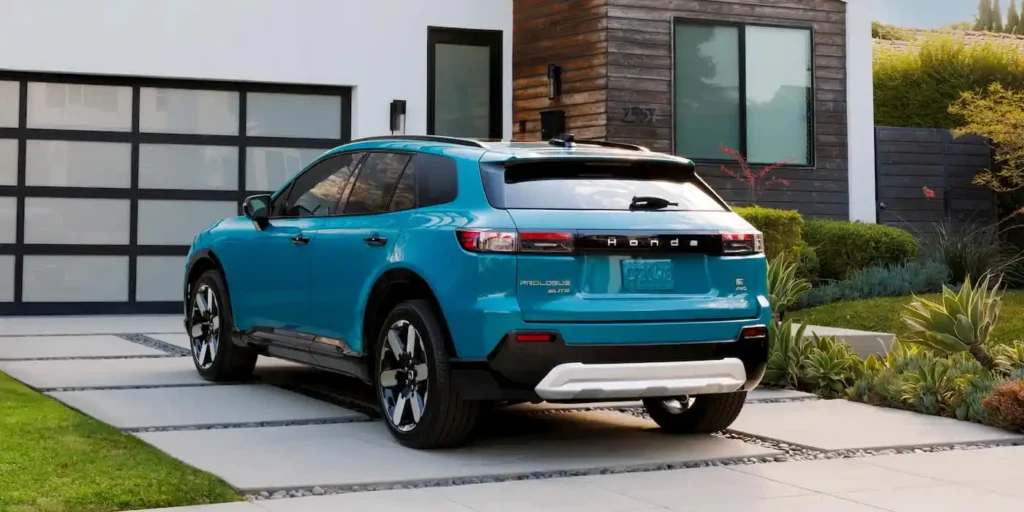
Most EV makers offer an officially licensed and approved adapter for CCS or CHAdeMO to NACS. With these adapters, you won’t be locked out of charging opportunities. In July 2025, Honda announced that Honda Prologue and Acura ZDX owners now have access to more than 23,500 selected Tesla Superchargers across the United States with the availability of the first Honda-approved NACS-CCS DC fast-charging adapter.
Know Your EV’s Charging Capabilities
Not all EVs charge at the same speed. Some max out at 150kW, others can hit 250kW or more. Knowing your car’s peak charging rate can help you avoid wasting time at chargers that exceed your vehicle’s limits. For instance, if your EV maxes out at 100kW, there’s no benefit to stopping at a 350kW charger.

Book Hotels with On-Site Charging
One of the smartest ways to simplify your trip is by staying at hotels that offer EV charging. These are typically Level 2 chargers, which can add 20–40 miles of range per hour, giving you a full battery after an overnight stay. This approach saves you from having to make a charging stop first thing in the morning.
Apps like PlugShare allow you to filter for hotels with chargers, and many hotel websites are beginning to list EV amenities directly. Some hotel chains, including Marriott, Hilton, and Best Western, have steadily expanded EV charging access across their properties. In many cases, these chargers are free or included with your stay, adding convenience and cost savings.
Plan Stops Where You Can Eat, Shop, or Relax
Charging doesn’t have to be dead time. Many EV drivers find that stopping every few hours for a 30-minute charge lines up perfectly with breaks for meals or rest. Try to plan your stops around amenity-rich locations, places that have restrooms, restaurants, coffee shops, or grocery stores nearby. This way, you’re not just waiting for a charge; you’re grabbing a bite, stretching your legs, or even getting some shopping done.
Some charging stations, especially Electrify America and Tesla Supercharger locations, are intentionally placed near retail areas and fast food chains. But that’s not always the case, so use Google Maps or Yelp to check what’s within walking distance of the stations on your route.
You can also tweak your charging stops in ABRP or your vehicle’s navigation system. Just make sure the alternate charger is still within range and has the charging speed you need.
If you are able to charge at level 2 during these stops, you’ll save money as its less expensive than DCFC (Level 3) fast-charging stations.
Make EV Road Trips Fun, Plan Ahead
Taking a cross-country trip in an electric vehicle no longer means endless anxiety about charging or limited route options. With smart tools like route planning apps, real-time station data, and an expanding nationwide charging network, EV road trips are becoming easier, faster, cheaper, and more enjoyable than ever.
The key is preparation: plan your route with charging in mind, keep a backup for each stop, and choose places to recharge where you can relax or refuel yourself. Stay at hotels with overnight charging and carry the right apps for your vehicle and charger access. Get an adapter if you can.
With the right approach, a long road trip in an EV can be just as convenient as driving a gas car. Not only that, but cheaper, quieter, cleaner, and more satisfying.

Electric Vehicle Marketing Consultant, Writer and Editor. Publisher EVinfo.net.
Services