Ford’s $30k EV Truck Could Be a Big Problem For Slate Auto
Slate Auto’s low-cost electric pickup has generated buzz, thanks to its sub-$30,000 price and backing from high-profile investors like Jeff Bezos. But doubts are emerging over whether it’s the breakthrough many hope for.
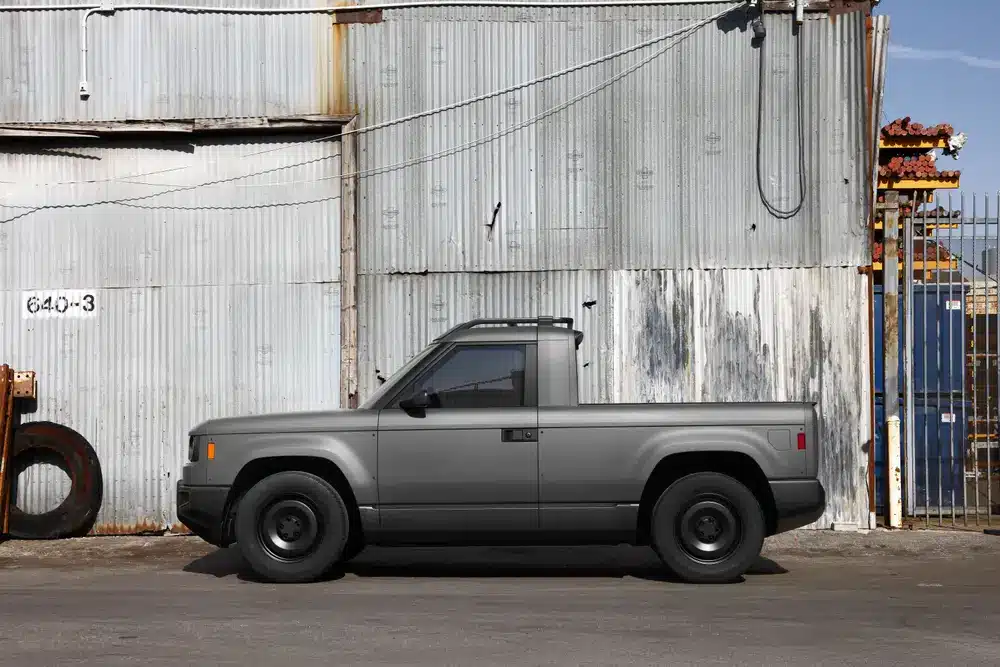
At first glance, Slate’s truck impresses with bold, utilitarian styling. Its compact footprint is comparable to a Ford Maverick in width and height, though significantly shorter in length. The design leans into a boxy, minimalistic aesthetic, evoking a modern reinterpretation of past compact SUVs.
Yet the interior underscores how stark the approach is. The vehicle lacks an infotainment system, and uses manual crank windows. The truck seems designed more as a tool than a comfortable daily driver. Such Spartan choices could alienate mainstream buyers who expect at least some creature comforts.
Slate plans to offer modular upgrades: infotainment, power windows, seating configurations, and even body modules to convert the pickup into an SUV-style vehicle. But there are questions over whether most buyers will embrace this DIY approach. The burden falls on consumers to “make it a real vehicle” rather than receiving a refined product from the start.
Market Mismatch? The Two-Door Dilemma
One major concern is Slate’s choice of form factor: a two-door, single-cab pickup. Industry analysts point out that this configuration is niche, even in gas-powered markets. Once a vehicle includes rear seating, many buyers expect four doors, and the appeal of a bare two-seat truck fades quickly.
Competition from legacy automakers also looms large. Established brands such as Ford could soon deliver more fully equipped electric trucks, with four doors and factory finish, at only a modest premium over Slate’s offering. Car and Driver reported that Slate plans to launch its first model in late 2026.
Ford’s $30,000 EV Truck: A Potential Game-Changer That Could Be a Problem for Slate
Ford is preparing to launch a midsize electric pickup around 2027 with a target base price of about $30,000. The vehicle will be built on the company’s new Universal EV Platform, supported by a reimagined production system designed to reduce costs and improve efficiency.
The new platform promises significant simplification, with fewer parts, fewer fasteners, and fewer workstations on the factory floor compared to current models. Ford is investing roughly $2 billion into its Louisville Assembly Plant in Kentucky to support this next generation of EVs. The truck will feature prismatic lithium-iron phosphate battery cells produced at BlueOval Battery Park in Michigan, part of Ford’s effort to build a domestic EV supply chain.

Despite its affordability goal, Ford is promising a capable vehicle. Interior space is expected to surpass that of a Toyota RAV4, while design elements like a front trunk and a conventional bed emphasize practicality. Performance is also on the agenda, with Ford claiming the truck will accelerate faster than the Mustang EcoBoost, which reaches 60 mph in about five seconds.
The vehicle will enter a competitive market, facing startups that are pushing ultra-low-cost EV trucks as well as established automakers with more polished offerings. Ford’s bet is that its streamlined manufacturing process, zonal electrical architecture, and new assembly line model will allow it to keep costs down while still delivering a product that feels complete.
Many details remain unannounced, including battery size, range, and charging speed. But if Ford can deliver on its promises, the truck could redefine expectations for what an affordable EV can be in the U.S. This could be a huge problem for Slate.

Electric Vehicle Marketing Consultant, Writer and Editor. Publisher EVinfo.net.
Services