Hyundai Unveiled Its Most Ambitious EV and Hybrid Growth Strategy Ever at CEO Investor Day 2025
Hyundai Motor Company used its 2025 CEO Investor Day to lay out a detailed roadmap for its 2030 vision, outlining ambitious product, technology, and financial targets designed to transform the company into one of the global leaders in electrification and mobility innovation. At the heart of the announcement was a reaffirmation of Hyundai’s long-term sales goals, with the company aiming for 5.55 million global vehicle sales by the end of the decade.
What makes this goal especially significant is that Hyundai expects electrified vehicles, including both hybrids and battery electrics, to make up around 60 percent of that total. This means the company is planning for more than 3.3 million electrified units annually, with growth especially strong in mature and emerging markets such as North America, Europe, and Korea.
Central to Hyundai’s product expansion strategy is a major commitment to hybrids, electric vehicles, and extended-range electric vehicles. The company revealed that by 2030 it will offer more than 18 hybrid models across its portfolio, with Genesis, its luxury brand, also preparing to introduce hybrid options starting in 2026. A notable early example is the Palisade Hybrid, which will feature Hyundai’s next-generation TMED-II hybrid technology.
Hyundai is also planning a wave of new electric vehicles tailored to meet specific regional needs, a strategy that allows the company to better address local customer preferences and infrastructure realities. In Europe, for instance, Hyundai will launch the IONIQ 3 as a mass-market EV. In India, the company is preparing its first locally designed EV, supported by a fully localized supply chain to ensure affordability and production efficiency. China will see the introduction of the locally produced Elexio SUV as well as an all-electric sedan designed to appeal to that market’s unique demands.
“In an industry facing unprecedented transformation, Hyundai is uniquely positioned to win through our unmatched combination of compelling products, manufacturing flexibility, technology leadership, outstanding dealer partners and global scale,” said José Muñoz, President and CEO of Hyundai Motor Company. “We are delivering comprehensive electrified portfolios across all segments, localizing production in key markets, and leveraging breakthrough technologies from Software-Defined Vehicles to next-generation batteries. Our ability to adapt quickly, combined with the power of Hyundai Motor Group’s 50+ affiliates and our unwavering commitment to customers, will enable us to continue unlocking tremendous value for our stakeholders. It’s a great time to be with Hyundai.”
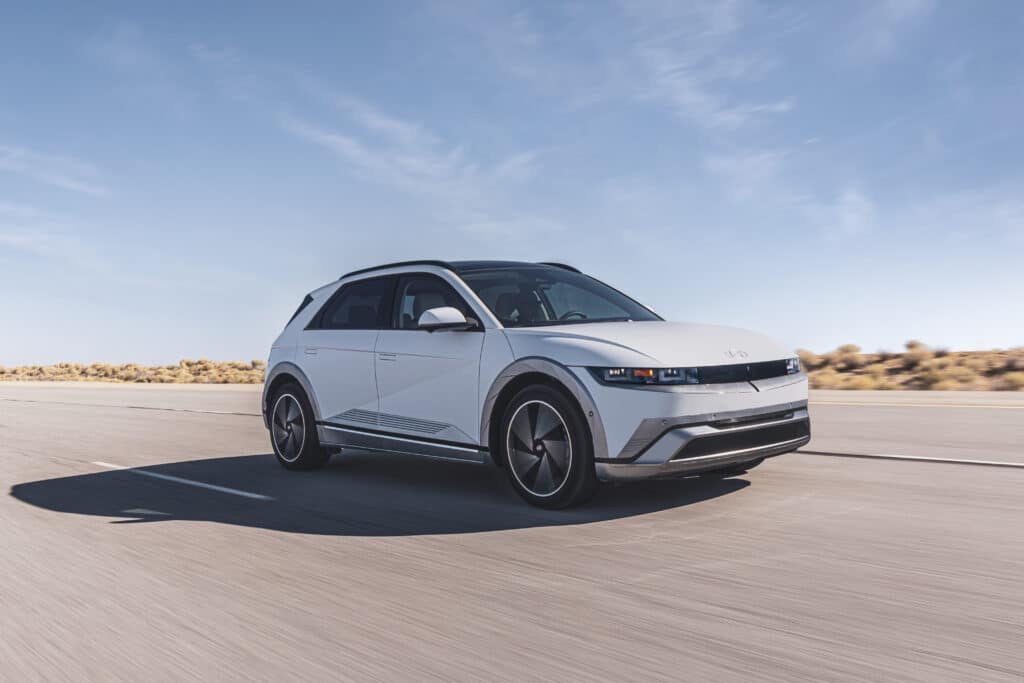
Perhaps one of the most ambitious product announcements was the introduction of extended-range EVs, or EREVs, slated to debut in 2027. These vehicles are engineered to deliver more than 600 miles of driving range by combining high-performance batteries and motors with advanced battery-engine integration. By reducing the size of the battery pack and optimizing cost, Hyundai aims to make EREVs a practical solution for consumers who want the benefits of electrification without the common concerns around range and charging infrastructure.
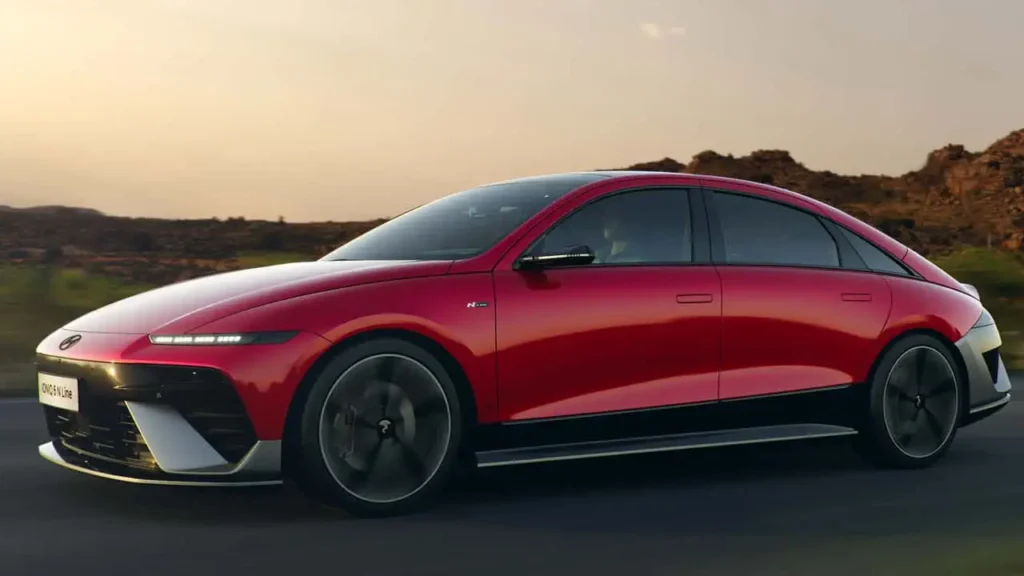
At the same time, Hyundai will expand its high-performance N lineup, with plans for more than seven N models by 2030, including the IONIQ 6 N which will showcase performance features designed for driving enthusiasts.
Hyundai’s vision also places heavy emphasis on manufacturing flexibility and localized production capacity. The company is investing significantly in new facilities around the world, with one of the flagship projects being its Hyundai Motor Group Metaplant America in Georgia. That site will eventually reach an annual production capacity of 500,000 units by 2028 following a multibillion-dollar investment and the creation of roughly 3,000 new jobs. Part of the long-term plan is to increase localization, with a target of raising U.S. local content from around 60 percent today to roughly 80 percent by 2030.
Globally, Hyundai plans to add 1.2 million units of production capacity by 2030, including expansions in India where its Pune plant will become a major export hub, as well as a new dedicated EV plant in Ulsan, Korea. The company is also strengthening its presence in other regions through completely knocked down operations in places like Saudi Arabia, Vietnam, and North Africa.
Beyond physical production, Hyundai is investing in advanced vehicle technologies, especially software-defined vehicle platforms. A key innovation is the development of a new in-vehicle operating system called Pleos, which will enable more frequent updates, deeper personalization, and the separation of hardware and software cycles. The company is also building out high-performance vehicle computer architectures and zone controllers that will make its cars more intelligent and flexible.
Battery technology remains another crucial area, with Hyundai setting a goal to reduce battery costs by 30 percent, increase energy density by 15 percent, and cut charging times by 15 percent by 2027. Improvements will also include stronger safety measures and new cloud-based management systems designed to monitor battery health and optimize charging.
Financially, Hyundai underscored its commitment to profitable growth and shareholder value. The company has earmarked more than 77 trillion Korean won for investment in research, development, capital expenditures, and strategic initiatives between 2026 and 2030. Updated financial guidance raised revenue growth targets to between five and six percent annually, while the operating profit margin target was set at six to seven percent in the near term, improving to seven to eight percent by 2027 and ultimately eight to nine percent by 2030.
Hyundai also emphasized its shareholder return policy, pledging a total shareholder return of more than 35 percent through dividends, buybacks, and other measures during the 2025 to 2027 period. A minimum dividend per share has been guaranteed as part of this commitment.
Taken together, Hyundai’s 2030 vision represents a comprehensive plan to balance aggressive product launches, manufacturing expansion, and financial discipline. The company is betting on a mix of hybrids, mass-market EVs, high-range EREVs, and performance models to capture different customer segments, while at the same time investing in software-defined architectures and next-generation batteries that will define future mobility.
The focus on localized production capacity and supply chain resilience shows Hyundai’s recognition of shifting global trade dynamics and the need for flexibility in a fragmented marketplace. The financial targets and strong shareholder return policies underscore management’s confidence that the strategy will not only meet environmental and technological goals but also deliver meaningful returns to investors. Hyundai’s roadmap illustrates the company’s ambition to move beyond being a traditional automaker and establish itself as a global leader in the electrified and software-driven mobility era.

Electric Vehicle Marketing Consultant, Writer and Editor. Publisher EVinfo.net.
Services