Five Key Topics in Chinese EV Industry for 2026
China’s electric vehicle market delivered another whirlwind year. Xiaomi continued its rapid transformation from smartphone brand to EV star, while market leader BYD saw its explosive growth begin to cool. Regulatory scrutiny intensified as officials zeroed in on the ongoing price war, the practice of selling zero mileage used cars, and even design trends like flush door handles. At the same time, technology kept racing forward. BYD and CATL pushed ultra fast charging battery development, while advanced driver assistance systems became more common across new models.
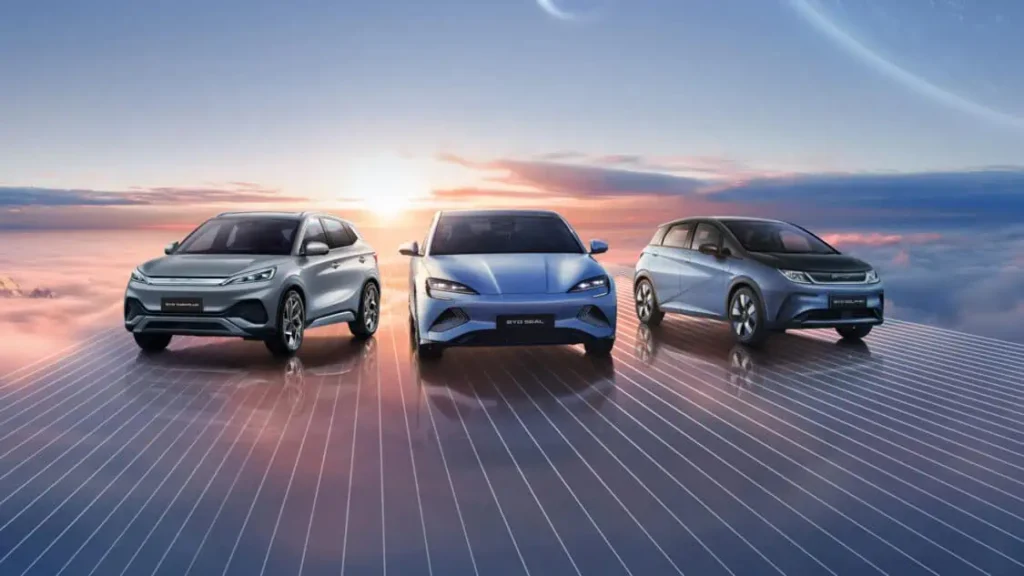
Can BYD Bounce Back?
BYD entered the year aiming to sell 5.5 million vehicles after a record 4.25 million last year. After a strong opening, momentum slowed, especially after aggressive price cuts drew government attention. The company was forced to reduce its sales target. Earnings have declined for two straight quarters, and the stock is down about 36 percent from its May high. The key question is whether this marks a temporary setback or the start of a more difficult phase as competition from Geely, Xiaomi, and others intensifies alongside tighter regulation.
Despite the slowdown, analysts remain largely positive. Bloomberg data shows 34 buy ratings versus only three sells. Deutsche Bank expects new ultra fast charging batteries, God’s Eye driver assist technology, and upcoming models to lift sales to 5.6 million units in 2026. Chairman Wang Chuanfu recently blamed weaker domestic sales on a lack of major technology upgrades and said meaningful breakthroughs are coming.
Competition Curbs
While China’s auto sector has long benefited from government backing, the mood shifted this year as Beijing moved to rein in destructive price competition and overcapacity. In June, executives from major automakers were summoned to Beijing and criticized for what officials called rat race competition. Regulators also targeted the practice of shifting unsold inventory into the secondhand market to inflate sales figures.
A tougher policy stance could weigh on the EV market in 2026. The government has not yet renewed its trade in subsidy program, and tax rebates are scheduled to be scaled back next year ahead of full elimination in 2027. This uncertainty has pulled demand into late 2025 and could lead to a shaky start to 2026.
Xiaomi’s Next Act
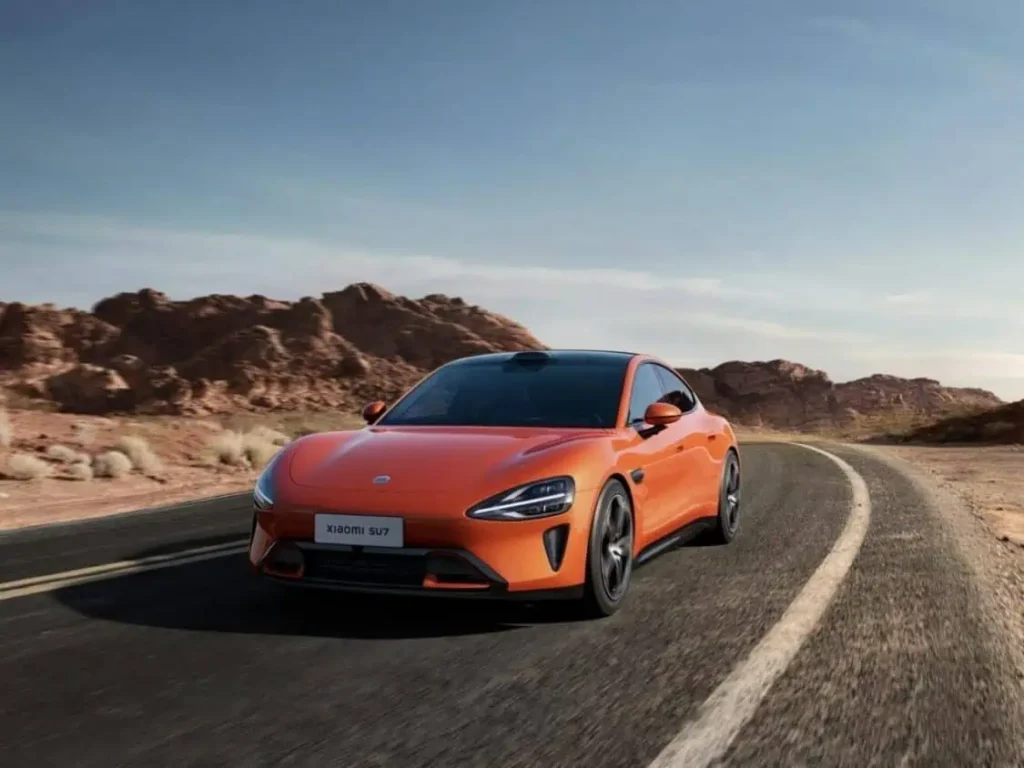
Xiaomi enjoyed a standout year in EVs, consistently exceeding internal targets and now expecting to deliver 400,000 vehicles this year. It also reached profitability in less than half the time it took Tesla. Growth, however, is constrained by a small lineup and limited production. With only the SU7 sedan and YU7 midsize SUV and a single factory in Beijing, wait times remain long. A new production line should ease some pressure.
The company is reportedly preparing a full size SUV to compete with Nio and Li Auto in the premium segment. That model is expected to inject fresh momentum into Xiaomi’s narrow lineup, which may soon need a refresh to stay competitive.
Make or Break for Nio
Nio enters a pivotal year with founder William Li’s goal of near term profitability looking increasingly difficult. Once the rising star of China’s premium EV sector, Nio built a loyal following with its upscale brand image and community focused showrooms. That early promise has not translated into financial success.
The company has accumulated roughly $20 billion in losses, and its stock has fallen more than 90 percent from its 2021 peak. Monthly sales remain around 40,000 units, far behind market leaders. According to Citi, Nio heads into 2026 with limited visibility on demand, rising competitive pressure, and shrinking financial flexibility.
Global Domination
As competition intensifies at home, Chinese automakers are rapidly expanding overseas. BYD is leading the charge with factories in Brazil and Thailand and more planned in Hungary and Turkey. The strategy is already paying off, with shares rising after the company reported export growth even as total shipments dipped in November.
Battery giant CATL is also expanding abroad, with a major factory in Hungary scheduled to begin production next year.
BYD is targeting 1.6 million export sales in 2026, up from about 1 million this year, according to Citi. Geely is aiming for 600,000 international sales next year, as much as 80 percent higher than 2025. Even with North America largely closed off by tariffs, Europe, South America, Southeast Asia, Australia, and the Middle East are opening new doors. All of this means bad news for the USA’s automotive industry.