Electrified Merchandising Is a Competitive Advantage for Dealers, as Fuel Prices Rise and Used EV Sales Increase
The United States and Iran announced a two-week ceasefire in the Iran war on April 7, 2026. The war had caused high fuel prices around the world soon after it began.
Reuters reported that fuel prices could keep rising for months even after the Strait of Hormuz reopens, the U.S. Energy Information Administration said on April 7, 2026.
Rising fuel prices are accelerating interest in electric vehicles and hybrids as consumers look to reduce the cost of daily driving. With gasoline climbing above $4 and even $5 per gallon in some regions as of April 2026, the economics of switching away from gas-powered vehicles are becoming more compelling. This shift is translating into stronger demand across the EV market, particularly in the used segment, where lower upfront costs are making electric options more accessible.
One of the most notable trends is the surge in used EV sales. As fuel prices rise, buyers are increasingly turning to pre-owned electric models as a cost-effective alternative, especially when some used EVs are priced competitively with or even below similar gasoline vehicles.
Regional dynamics are also playing a role. In markets like California, where gas prices have exceeded $5 per gallon, dealerships are seeing a measurable uptick in EV interest and sales. Analysts often point to the $4 per gallon threshold as a tipping point, where the total cost of ownership for EVs begins to rival or beat that of internal combustion vehicles.
However, market behavior suggests that sustained high fuel prices, rather than short-term spikes, are what ultimately drive long-term adoption. When consumers expect elevated fuel costs to persist, they are more likely to commit to EVs or hybrids rather than delay purchasing decisions.
While fuel prices are a major catalyst, they are not the only factor behind growing EV adoption. Increasing environmental awareness, advancements in vehicle technology, and supportive policies all continue to contribute to the broader transition toward electrified transportation.
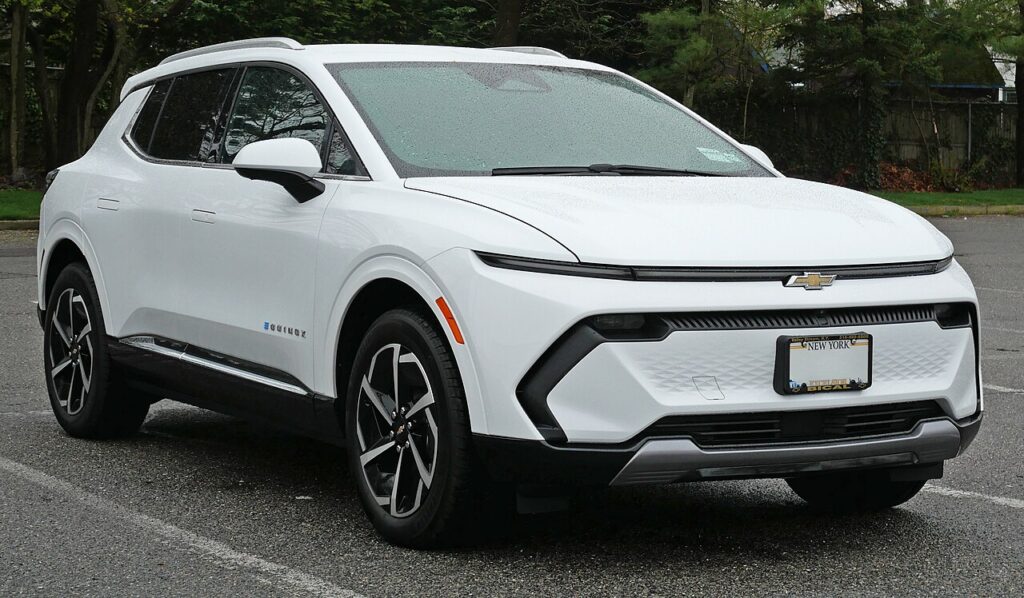

Lectrium’s Electrified Merchandising Creates Real Sales Impact
As electric vehicles move from early adoption into the mainstream, one challenge continues to slow sales at the dealership level: education. For many consumers, questions around range, charging, and total cost of ownership still create friction in the buying process. That is where Lectrium is positioning itself as a critical solution for modern automotive retail.
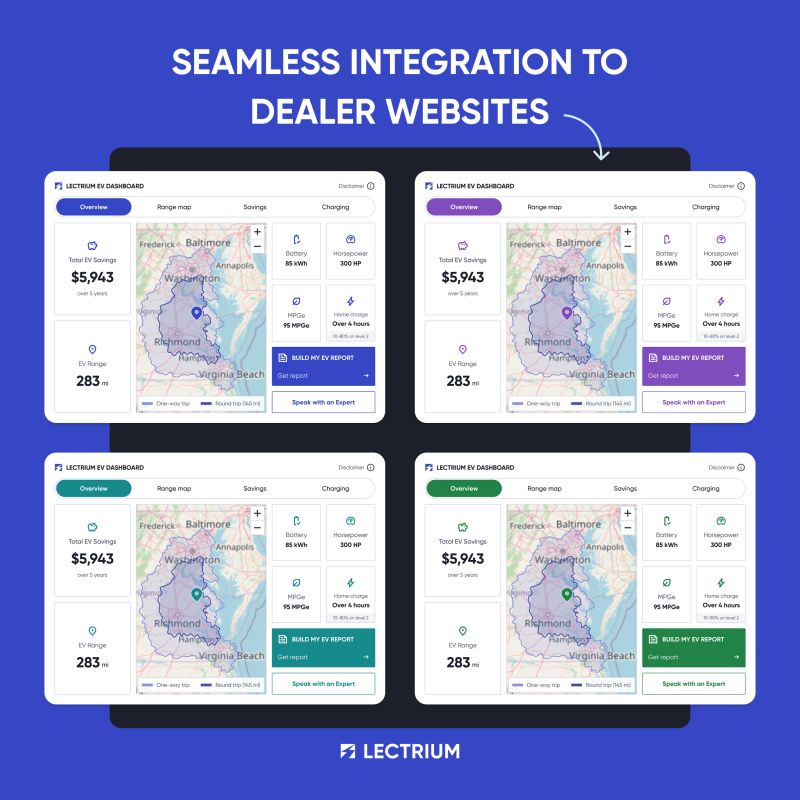
Lectrium provides an electrified merchandising platform designed to help dealerships convert EV interest into actual sales. Instead of relying on static listings or sales conversations alone, the platform integrates directly into dealership websites to deliver dynamic, VIN-specific insights that answer key shopper questions before they ever speak to a salesperson.
The impact is measurable. Dealers using Lectrium report lower bounce rates on vehicle detail pages, higher engagement with key features, and in some cases a doubling of EV lead volume. By presenting essential information such as range, charging options, and ownership savings in a single, intuitive interface, the platform helps build trust and keep shoppers on the dealer’s site rather than losing them to third-party research.
“Gas prices have a real impact on EV adoption over time. I saw that first hand during my time at Tesla, and again while working for a major auto group. As fuel costs stay elevated, more consumers begin to seriously evaluate EVs as a practical long term alternative,” said Reggie Brustulin, Lectrium Vice President.
One of the platform’s strengths is its focus on real-world usability. Features like range mapping allow customers to visualize how an EV fits into their daily routine by calculating distance from home or work and identifying nearby charging infrastructure. Charging comparisons break down Level 1 and Level 2 scenarios, while integrated savings tools highlight the financial benefits of going electric.
Beyond the consumer experience, Lectrium also enhances dealership operations. High-intent leads flow directly into CRM systems, complete with detailed EV reports that enable more informed and effective follow-ups. Built-in analytics, powered through integrations like Google Analytics, give dealers visibility into shopper behavior and help refine merchandising strategies over time.
The platform is designed for seamless deployment, working across major website providers such as Dealer.com, Dealer Inspire, and DealerOn. It also integrates with EV service providers like Qmerit for home charging and Aviloo for battery diagnostics, creating a more comprehensive ecosystem around EV ownership.
What sets Lectrium apart is its recognition that EV sales are not just about inventory, they are about confidence. By addressing range anxiety, simplifying charging education, and presenting clear ownership insights, the platform reduces friction at every stage of the customer journey.
As EV adoption continues to grow, dealerships that invest in better digital merchandising and education tools will be better positioned to capture demand. In an increasingly competitive market, turning curiosity into conversion is no longer optional. It is a core capability.

Electric Vehicle Marketing Consultant, Writer and Editor. Publisher EVinfo.net.
Services