Nissan’s 2027 Rogue Hybrid E-Power Brings 3rd-Gen Series Hybrid System to U.S.
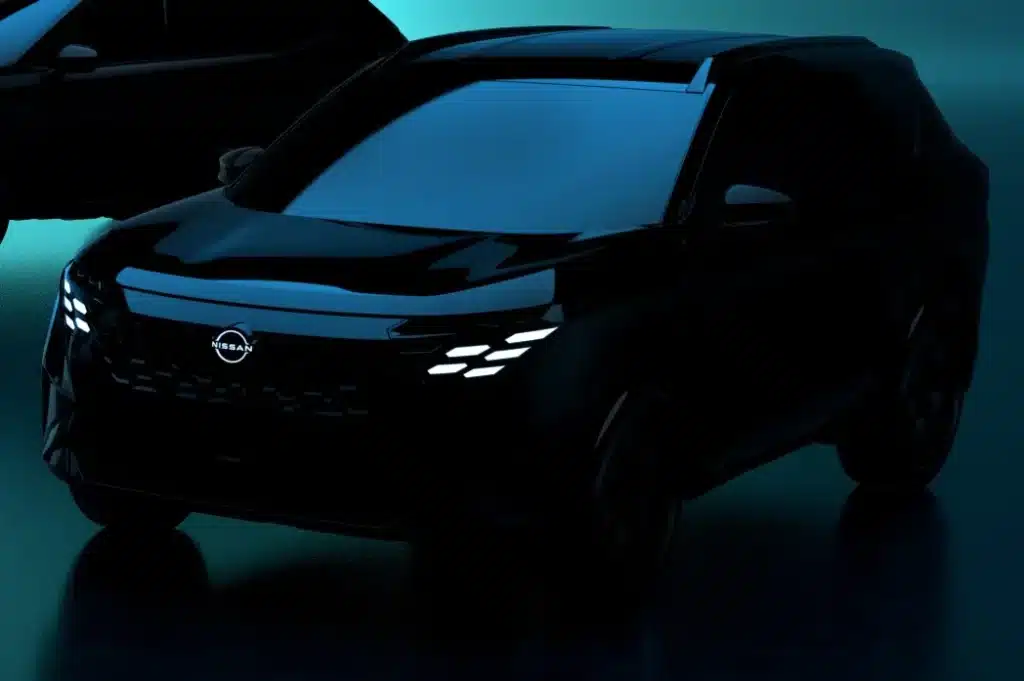
The 2027 Nissan Rogue Hybrid e-POWER brings a distinctly different approach to electrification to U.S. showrooms, with the vehicle expected to reach dealerships before the end of 2026. Rather than pairing a gasoline engine with an electric motor in the conventional sense, the system keeps the combustion engine completely disconnected from the wheels. Its only job is generating electricity. Two electric motors handle all propulsion, drawing power from a lithium-ion battery that the engine tops off as needed. All-wheel drive comes fitted as standard equipment, and one-pedal driving capability is part of the package from the start.
How It Differs From What Most Drivers Know
The majority of hybrid vehicles on American roads today use a parallel architecture, meaning both the gasoline engine and the electric motor are capable of turning the wheels. Nissan’s approach works differently. The two electric motors are the only things connecting power to the pavement. The gasoline engine sits upstream of that, spinning a generator rather than a driveshaft. Electricity flows from that generator to the motors and into the battery. The mechanical link between combustion and motion that has defined automobiles for over a century simply does not exist here.
That separation reshapes how the vehicle responds. Without a transmission brokering between the engine and the road, torque reaches all four wheels the moment the driver asks for it. In urban driving, where speeds are lower and demands on the battery are modest, the engine may sit idle for stretches at a time. On the highway or when the driver calls for sustained output, it runs more consistently to keep electrical supply steady. Every time the driver lifts off the accelerator or touches the brakes, regenerative braking pulls energy back into the battery rather than wasting it as heat.
All-Wheel Drive That Works at the Wheel Level
Standard dual-motor AWD on the 2027 Rogue Hybrid e-POWER goes beyond simply splitting torque between a front axle and a rear axle. Each motor governs its own axle independently, which gives the system the ability to adjust how much force goes where on a continuous basis. Through a corner, that means power shifts front to rear and side to side to maximize grip rather than simply pushing forward. Under deceleration, spreading regenerative braking across both motors keeps the nose from dropping and the body from pitching, producing a flatter, more settled slowdown. On ice or wet pavement, the system watches for wheel slip and adjusts torque and regenerative braking in real time to keep the vehicle tracking straight.
“The benefit of electric motors driving all four wheels is a new level of stability, responsiveness and driver confidence in a variety of conditions,” said Ponz Pandikuthira, senior vice president and Chief Product and Planning Officer for Nissan Americas. “The enhanced body control also keeps the vehicle flatter when braking and accelerating. The result is a much more comfortable ride for all passengers.”
One-Pedal Driving Returns
Nissan’s e-Pedal system carries over to the 2027 Rogue, giving drivers the ability to handle most driving situations without moving their foot to the brake pedal. Lifting off the accelerator triggers progressive deceleration, and the system can bring the vehicle to a complete standstill on its own. Once stopped, the hydraulic brake system engages automatically to hold the car in place until the driver is ready to move again.
“After the vehicle comes to a complete stop, the hydraulic brake system is automatically activated to keep the car stationary,” said Kurt Rosolowsky, vehicle evaluation and test engineer at Nissan Technical Center North America. “It’s super convenient and can help make stop-and-go traffic far less tedious.”
A System With a Long Track Record
Nissan introduced e-POWER in Japan in 2016 on the Note. In the years since, the company has put nearly two million e-POWER vehicles on roads across 68 countries. The version arriving in the 2027 Rogue is the third generation of the technology, and it was developed with the specific demands of North American driving in mind.
“Rogue Hybrid e-POWER will be our most refined Rogue yet,” Pandikuthira said. “It blends the efficiency of a hybrid with the convenience of gas and the instant power delivery of an electric motor.”
Nissan has not yet released pricing or trim-level details for the 2027 Rogue Hybrid e-POWER.
EVinfo.net’s Take: Why Nissan’s Decision to Cut the Engine Out of the Drivetrain Is Smarter Than It Sounds
Most hybrid vehicles are a compromise. A gasoline engine and an electric motor share the job of moving the car, handing off responsibility to each other depending on speed, load, and battery state. The result is a system that is more efficient than a pure combustion engine but still fundamentally shaped by one. Nissan looked at that architecture and decided there was a better way.
With e-POWER, the gasoline engine never touches the wheels. It runs when it needs to, spinning a generator that keeps electricity flowing to the battery and the motors, but the actual work of moving the car belongs entirely to two electric motors. That single design decision cascades into a set of real-world benefits that go well beyond fuel economy.
The Ride Gets Smoother
One of the least discussed drawbacks of conventional hybrids is the transition between power sources. When the system shifts between electric and gasoline propulsion, or when the transmission steps through gears, drivers feel it. It is rarely dramatic, but it is there. With e-POWER, there is nothing to transition between. The electric motors are always driving the wheels, and there is no transmission in the traditional sense. The result is a powertrain that simply pulls, cleanly and consistently, without the subtle lurches and hesitations that remind drivers they are sitting on top of a mechanical negotiation.
Handling Improves When Every Wheel Has Its Own Motor
Standard dual-motor all-wheel drive on the 2027 Rogue Hybrid e-POWER is not just about traction. Because each motor manages its own axle independently, the system can distribute force with a precision that a mechanically linked drivetrain cannot match. Through a corner, power shifts to wherever grip is best. Under braking, regenerative force spreads across both axles, keeping the nose level and the body composed. On slippery pavement, the system reads wheel slip continuously and adjusts in real time. The vehicle does not just move well in ideal conditions. It moves well in the conditions most drivers actually encounter.
Acceleration Feels Better
Instant torque is one of the most frequently cited advantages of electric vehicles, and e-POWER delivers it without requiring a full battery charge or a plug. The moment a driver presses the accelerator, both motors respond. There is no rev buildup, no waiting for the powertrain to sort itself out. That immediacy makes the Rogue feel quicker and more responsive than its specs might suggest, particularly in the everyday driving situations where hybrids spend most of their time.
The Engine Works Less, So It Saves More
A gasoline engine is least efficient when it is asked to do too many things at once, propel a vehicle, respond to sudden load changes, and operate across a wide range of speeds. In e-POWER, the engine has one job and can do it at whatever speed and load it runs most efficiently. It does not have to chase the demands of the road. It just maintains electrical output, running when the battery needs it and staying quiet when it does not. That focused operation translates into better fuel economy than a parallel hybrid can typically achieve, especially in urban driving where the engine may barely run at all.

Electric Vehicle Marketing Consultant, Writer and Editor. Publisher EVinfo.net.
Services