CarGurus Data Shows Used U.S. EV Sales Up 17% Year-over-year in April, as Iran War Drags on
Rising gas prices are once again pushing Americans toward electric vehicles and hybrids, despite political efforts over the past year to slow EV adoption in the United States, Newsweek reported on May 24, 2026.
According to automotive marketplace CarGurus, views of new EV listings jumped 62 percent between early March and mid-May as average U.S. gas prices surged from under $3 per gallon to more than $4.50. Used EV listing views increased 49 percent during the same period, while used EV sales rose 17 percent year-over-year in April.
Cars.com reported similar trends, with used EV searches climbing 61 percent compared to April 2025. Used EVs are also selling significantly faster, marking the quickest turnover rate since the major fuel price spike in 2022.
On Cars.com, since the start of 2026, the days live for EVs (amount of time a car sits on a lot before selling) has gone from 50 to 42 (-16.6 percent faster).
The surge comes after conflict in the Middle East disrupted oil markets and sent gasoline prices sharply higher across the United States. California drivers are now paying an average of more than $6 per gallon, creating renewed interest in alternatives to traditional gas-powered vehicles.
Industry analysts say used EVs have become especially attractive because prices have fallen dramatically over the past year. Models like the Chevy Equinox EV and Hyundai Ioniq 5 have seen major price declines, while used Tesla Model 3 prices are approaching parity with many gasoline vehicles.
Experts say a growing wave of off-lease EVs entering the used market is also improving affordability for consumers. The depreciation that frustrated some early EV owners is now creating opportunities for buyers looking for lower-cost electric transportation.
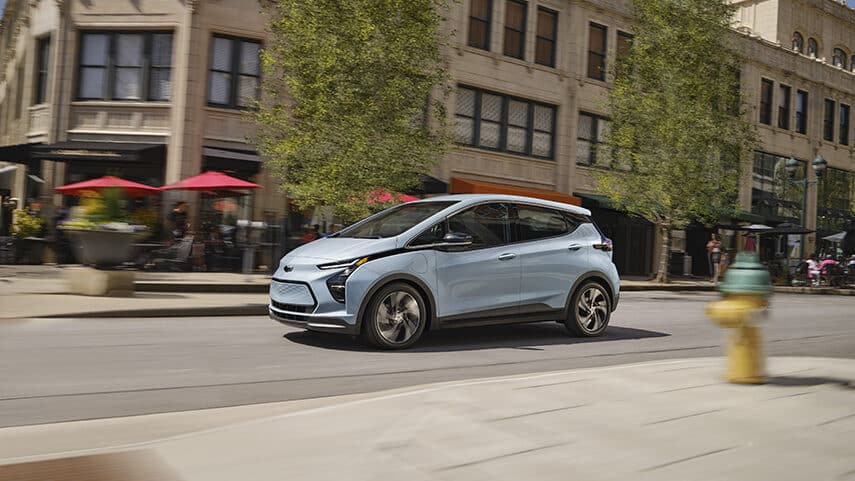
New EV sales, however, remain under pressure following the expiration of the federal $7,500 EV tax credit in late 2025. Analysts say the average new EV still costs roughly $11,000 more than a comparable gasoline vehicle, slowing broader adoption despite higher fuel prices.
Hybrid vehicles appear to be benefiting the most from the current gas price environment. CarGurus says hybrids now represent roughly 12 percent of new vehicle listings, up sharply from just over 4 percent four years ago. Toyota hybrid models currently have some of the tightest inventory levels in the industry as consumers seek fuel savings without relying on charging infrastructure.
Analysts caution that EV demand has historically risen and fallen alongside gasoline prices, meaning the current surge in interest could fade if oil prices decline again. Still, the recent spike highlights how vulnerable gasoline vehicles remain to global oil market instability, while EVs and hybrids continue offering consumers protection from fuel price volatility.
EVinfo.net’s Take: High Fuel Prices from the Iran War Kicked Off a Global EV and Renewable Energy Boom
Used EV sales rose 17 percent year-over-year in April, but thats not the only surge in used US EV sales so far.
EV industry veteran Angelo Elyassi reported that in March 2026, 42,924 used EVs sold in a single month. Up 54% from February. Up 28% year over year. Q1 as a whole hit over 100,000 units, the second-strongest quarter on record and up 12% on the same period last year.
U.S. drivers are angry about high gas prices, which is boosting interest and sales for used EVs. But that’s not all that Americans are angry about. On May 12, NBC News reported US inflation hit 3.8%, outpacing wage growth for the first time since 2023, as a result of the administration’s mishandling of the Iran war and other bad economic policy, such as illegal tariffs.
High fuel prices triggered by the Iran war are accelerating a global shift toward electric vehicles, renewable energy, and battery storage as consumers and governments look for protection from volatile oil markets. Across Europe, Asia, and parts of North America, EV sales, solar installations, battery deployments, and heat pump demand have surged as gasoline and diesel prices climbed sharply following disruptions to global oil supplies.
The conflict exposed a growing weakness in the fossil fuel economy: oil markets remain heavily dependent on geopolitical stability and vulnerable supply routes like the Strait of Hormuz. As fuel costs spiked, many consumers began accelerating plans to switch away from gasoline-powered vehicles and fossil fuel heating systems.
But the switch is not limited to consumers.
On April 10, 2026, Reuters reported that France is moving aggressively to expand the role of electricity across its economy, with the government outlining plans to double public financial support aimed at accelerating electrification through the end of the decade.
Unlike previous oil crises, the world now has mature alternatives ready to scale quickly. EVs, solar power, battery storage, and renewable energy systems are no longer niche technologies. In many markets, they are already cost-competitive or cheaper than fossil fuel alternatives, especially during periods of high oil prices.
Analysts are increasingly viewing the current energy shock as a long-term turning point rather than a temporary spike. Governments and industries are recognizing that renewable energy and electrification are not just climate solutions, but also economic and national security strategies that reduce dependence on unstable global oil markets.
For the EV industry, the surge in fuel prices has once again highlighted one of electric vehicles’ biggest advantages: drivers are insulated from sudden gasoline price spikes tied to wars and oil supply disruptions. As a result, the Iran war has already accelerated the global transition toward cleaner transportation and renewable energy faster than many policymakers expected.
Lectrium Helps Dealers Sell More New and Used BEVs and Hybrids
Lectrium is a Palo Alto-based EV software company focused on helping auto dealerships sell more electric and hybrid vehicles through what it calls “electrified merchandising.” Founded in 2021, the company provides VIN-specific tools that help consumers understand EV range, charging, fuel savings, tax incentives, and ownership costs directly on dealership websites. Lectrium says its platform helps dealerships reduce shopper confusion around EVs, increase engagement on vehicle pages, and generate higher-quality sales leads. The company works with hundreds of dealerships across the U.S. and has partnerships and certifications with major automotive brands including BMW, MINI, Audi, Subaru, and Ford Direct.

Electric Vehicle Marketing Consultant, Writer and Editor. Publisher EVinfo.net.
Services