China’s NEV Exports Surged 120% in April Due to Iran War
ABC News reported that China’s passenger vehicle exports surged in April as automakers aggressively expanded into overseas markets while domestic auto sales continued to weaken.
According to the China Association of Automobile Manufacturers, passenger vehicle exports jumped nearly 85% year-over-year to approximately 796,000 units, surpassing March’s total of 748,000 vehicles. Exports of new energy vehicles, including battery-electric and plug-in hybrid models, rose more than 120% to roughly 420,000 units.
While exports soared, China’s domestic passenger car sales fell 25.5% year-over-year to about 1.3 million vehicles, marking the sixth consecutive month of declining sales. Analysts attribute the slowdown to reduced government subsidies for EV purchases, economic uncertainty tied to China’s prolonged property downturn, and intense competition among domestic automakers.
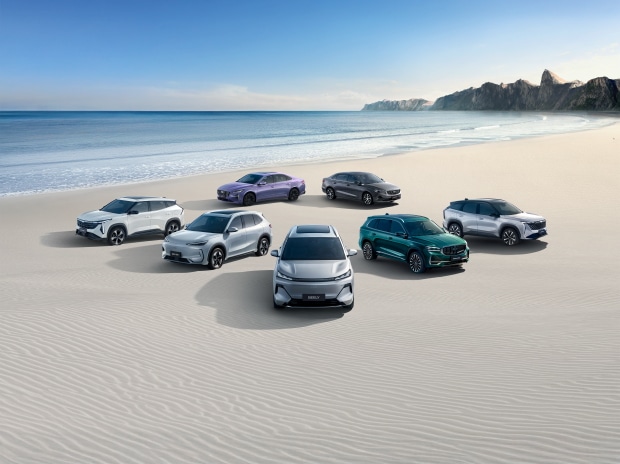
Competition was on full display at the Beijing Auto Show last month, where more than 1,450 vehicles were exhibited, including AI-powered vehicles and next-generation ultrafast charging technologies. Despite the weak market, some analysts expect Chinese auto sales to stabilize later this year as consumers adjust to subsidy changes and manufacturers launch new models.
Chinese automakers are increasingly relying on overseas growth to offset weaker domestic demand. Major brands including BYD and Geely Auto continue expanding globally through exports and international factory construction across Europe and Latin America.
Rising global fuel prices linked to the Iran war are also boosting EV demand worldwide. In Australia, one in six new vehicles sold in April was an EV, with BYD ranking as the country’s second-best-selling brand behind Toyota. Analysts say persistently high oil prices could further accelerate EV adoption and benefit Chinese automakers.
Claire Yuan, an auto analyst at S&P Global Ratings, said elevated fuel prices are likely to encourage more consumers to switch to EVs, strengthening demand for Chinese exports.
AlixPartners estimates China’s overall passenger vehicle exports could still grow about 20% in 2026, driven largely by expansion into Southeast Asia and other emerging markets.
Meanwhile, trade tensions remain a concern. Chinese EVs remain effectively blocked from the U.S. market following the 100% tariff imposed in 2024 under the Biden administration, though industry observers are closely watching upcoming trade discussions between the U.S. President and Chinese President.
First Chinese EVs Land In Canada
On May 11, 2026, Inside EVs reported Chinese electric and plug-in hybrid vehicles have officially arrived in Canada after the country reduced import tariffs on Chinese-made EVs from 100% to 6.1% earlier this year.
Chinese automakers Chery and Geely Auto are among the first companies establishing a presence in the Canadian market. Chery has reportedly shipped around 150 vehicles to Canada during the initial phase of its expansion, including models from its Jaecoo, Omoda, and Exelantis brands. Vehicles spotted in Toronto included the Jaecoo J5 crossover, the Omoda 9 plug-in hybrid SUV, and the Exelantis ES sedan.
The imported vehicles are currently being used for testing, certification, and promotional test-drive programs rather than direct customer sales. Reports indicate Chery plans to send another 1,000 vehicles to Canada within the next three months while preparing its first 10 dealerships, expected to open by the end of June.
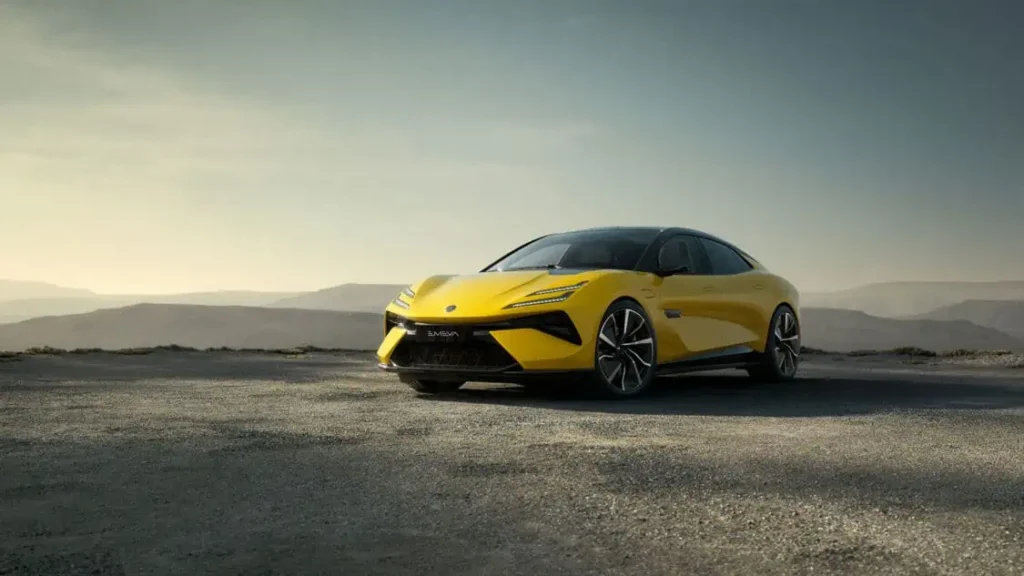
Meanwhile, Geely has delivered 18 units of the all-electric Lotus Eletre to Canada. The luxury EV SUV has already passed Canadian safety certification standards, and Lotus opened six franchised dealerships in March, with six additional locations planned before year’s end.
Canada’s tariff reduction has dramatically lowered prices for some Chinese EVs. The Lotus Eletre reportedly became roughly 50% cheaper after the new trade rules took effect in January, significantly improving its competitiveness in the Canadian market.
The move places the United States in an increasingly difficult position. While Canada and Mexico are opening their markets to lower-cost Chinese EVs, Chinese-made EVs remain effectively blocked from entering the U.S. due to the 100% tariff imposed in 2024.
Supporters of Canada’s policy argue affordable Chinese EVs could help accelerate EV adoption by lowering vehicle prices for consumers. Critics, however, warn the country’s annual import cap of 49,000 Chinese-made vehicles could create supply shortages and dealer markups if demand rises rapidly.
As fuel prices continue climbing globally due to the Iran conflict and broader oil market instability, analysts expect demand for affordable EVs to increase further, potentially strengthening the position of Chinese automakers in international markets.
The United States is Unintentionally Accelerating the Global Rise of Chinese Electric Vehicles
The United States is unintentionally accelerating the global rise of Chinese electric vehicles through a combination of geopolitical instability and restrictive trade policies that are increasingly isolating the American auto market.
As the conflict involving Iran continues to disrupt oil markets and threaten shipping through the Strait of Hormuz, gasoline and diesel prices remain elevated worldwide. Higher fuel prices are driving consumers toward electric vehicles at a faster pace, particularly affordable EVs produced by Chinese automakers.
At the same time, Canada has sharply reduced tariffs on Chinese EV imports, lowering rates from 100% to just 6.1%. That decision has already opened the door for companies like Chery and Geely Auto to begin shipping vehicles into Canada. Models from Jaecoo, Omoda, Exelantis, and the all-electric Lotus Eletre are now entering the Canadian market as automakers establish dealerships and certification programs.
The result is a growing contrast between the U.S. and its northern neighbor. While Canadians gain access to lower-cost EVs during a period of rising fuel prices, American consumers remain largely blocked from purchasing Chinese EVs because of the 100% tariff imposed in 2024.
This policy divide is creating unintended consequences for the U.S. auto industry. American automakers have struggled to produce affordable EVs profitably, while many consumers continue facing high monthly vehicle payments and increasing fuel costs. Meanwhile, Chinese automakers are rapidly scaling globally, improving technology, lowering production costs, and expanding into Europe, Latin America, Southeast Asia, and now Canada.
The ongoing Iran conflict is amplifying this shift. Oil market instability has strengthened the economic case for EVs worldwide, especially in regions heavily exposed to fuel price spikes. Analysts increasingly view affordable EV adoption as an energy security strategy as much as a climate policy.
China’s automakers are positioned to benefit from that transition. Companies such as BYD, Geely, and Chery already dominate many segments of the global EV supply chain, from batteries to vehicle manufacturing. As demand rises internationally, Chinese exports continue climbing.
The U.S., however, risks becoming isolated from the fastest-growing segment of the global auto market. Protectionist tariffs may shield domestic manufacturers temporarily, but they also reduce competitive pressure to develop lower-cost EVs consumers can actually afford.
Meanwhile, Canada’s decision to open its market more aggressively to Chinese EVs could strengthen its position as a North American entry point for affordable electric transportation, particularly if fuel prices remain high.
Ironically, the combination of failed geopolitical strategy in the Middle East and restrictive North American trade policy may end up accelerating exactly what many U.S. policymakers hoped to prevent: the global expansion of China’s EV industry at the expense of America’s long-term competitiveness.

Electric Vehicle Marketing Consultant, Writer and Editor. Publisher EVinfo.net.
Services