Founding Sponsor Ford Motor Company Recognizes UM-Dearborn as Vital Urban Sanctuary for 200+ Bird Species
Michigan Audubon has named the University of Michigan-Dearborn its first-ever Bird City Michigan Campus, making it the first university in the state to receive the designation since the Bird City Michigan program launched. Supported by founding sponsor Ford Motor Company, Bird City Michigan is a science-based initiative that recognizes cities, villages, counties, and campuses that implement bird-friendly practices, including protecting green spaces, educating the public, and reducing hazards such as window collisions and light pollution.
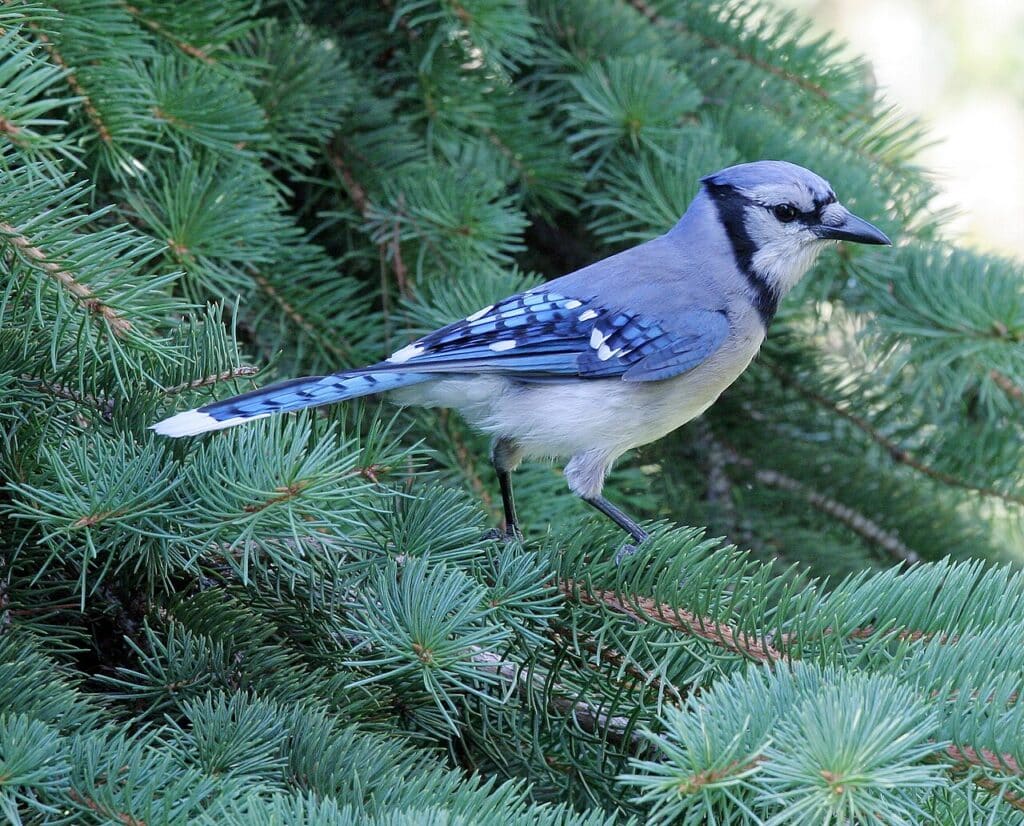
The designation recognizes the university’s 120-acre Environmental Study Area, an important urban sanctuary that supports more than 200 bird species, including migratory warblers and year-round residents such as cardinals and chickadees. Each year, thousands of birds use the campus as both a nesting site and a migration stopover while traveling through the Metro Detroit region.

The university’s application was led by Richard Simek, Program Supervisor and Manager of the Natural Areas at the Environmental Interpretive Center. It highlighted three key areas of focus: habitat restoration and sustainability initiatives, bird window-collision prevention through Project Protect Avian Travel, and educational programming connected to the center. These combined efforts have established UM-Dearborn as a model for how urban universities can serve as environmental stewards within their communities. The university’s extensive work earned it the Bird City Michigan program’s “High Flyer” designation.
According to Bird City Michigan Program Manager Amanda Mennillo, the initiative represents more than conservation efforts alone. She noted that birds help connect people to nature and foster a sense of place and belonging. Whether observing migratory warblers in the spring or enjoying neighborhood birds throughout the year, these experiences strengthen people’s connection to both the natural environment and their communities.
“Seeing Bird City Michigan grow to nine communities and now welcome its first campus partner, University of Michigan-Dearborn, in just 16 months is truly exciting momentum for our state,” said Kathleen Mennillo, CEO of Michigan Audubon. “Bird City Michigan is demonstrating how communities, campuses, and conservation partners can work together to create healthier habitats, stronger community engagement, and a greater appreciation for the role birds play in our everyday lives. Expanding into higher education allows us to connect directly with a young, diverse generation of nature enthusiasts. There is an outdated myth that birding is reserved for older generations, but those days are gone—the passion we see on college campuses proves that future generations are ready to carry this vital conservation work forward.”

Mennillo said the program’s rapid growth reflects a broader environmental movement taking shape across Michigan. She believes the state could become nationally recognized over the next five years for its efforts to connect people with nature through birds. As more communities and campuses participate, they are creating healthier habitats for migratory and resident bird populations while also supporting eco-tourism opportunities centered on birding and outdoor recreation.
Michigan Audubon, a nonprofit organization with a 120-year history, leads conservation efforts focused on protecting birds and their habitats throughout the state. The Bird City Michigan program encourages communities and educational institutions to adopt bird-friendly policies, including native habitat restoration and wildlife-safe building practices.
Founded in 1959 through a land donation from Ford Motor Company, the University of Michigan-Dearborn is a highly ranked public university located on the former estate of Henry and Clara Ford. Its Environmental Study Area serves as an important biological research station and is anchored by the Environmental Interpretive Center, which promotes hands-on sustainability education and community engagement throughout southeast Michigan.
Ford Motor Company, headquartered in Dearborn, Michigan, continues to support environmental and community initiatives through its broader mission of helping build a better world. Through its Ford+, Ford Blue, Ford Model e, and Ford Pro business segments, the company develops traditional, hybrid, and electric vehicles while expanding connected mobility services for consumers and commercial customers worldwide.
EVinfo.net’s Take: Electric Vehicles and Wildlife Protection Go Hand in Hand
As the world continues its transition toward cleaner transportation, it is important to remember that electric vehicles are the most environmentally friendly vehicles available today. EVs produce no tailpipe emissions, help reduce greenhouse gas emissions, improve air quality, and can be powered by renewable energy sources such as solar and wind. Their widespread adoption represents one of the most effective ways to reduce transportation’s impact on the environment.
However, building a sustainable future is about more than replacing gasoline-powered vehicles with electric ones. It is equally important to protect the wildlife and natural ecosystems that share our communities, including birds.
Birds play a critical role in maintaining healthy ecosystems. They help control insect populations, pollinate plants, disperse seeds, and serve as indicators of environmental health. Unfortunately, bird populations face numerous challenges, including habitat loss, light pollution, window collisions, and the effects of climate change.
The growth of electric vehicles and clean energy infrastructure presents an opportunity to think more broadly about environmental stewardship. Sustainability should include protecting both the planet and the species that inhabit it. As cities expand EV charging networks and communities invest in greener transportation solutions, incorporating bird-friendly practices can create a more balanced approach.
Simple measures can make a significant difference. Communities can preserve green spaces, plant native vegetation, reduce unnecessary nighttime lighting, and install bird-safe building materials that help prevent deadly window collisions. Educational programs that connect people with local wildlife can also strengthen appreciation for nature and encourage long-term conservation efforts.
The transition to electric transportation is not just about changing the way people drive. It is about reimagining how communities interact with the environment. By embracing electric vehicles while also protecting birds and other wildlife, society can create a future that is cleaner, healthier, and more sustainable for everyone.

Electric Vehicle Marketing Consultant, Writer and Editor. Publisher EVinfo.net.
Services