Boise School District to Launch Eight Electric School Buses for 2026-27 School Year
The Boise School District (BSD) will introduce eight new electric school buses and supporting charging infrastructure for the 2026-27 school year, marking a significant step in its effort to modernize student transportation and provide students with a cleaner, healthier ride to and from school.
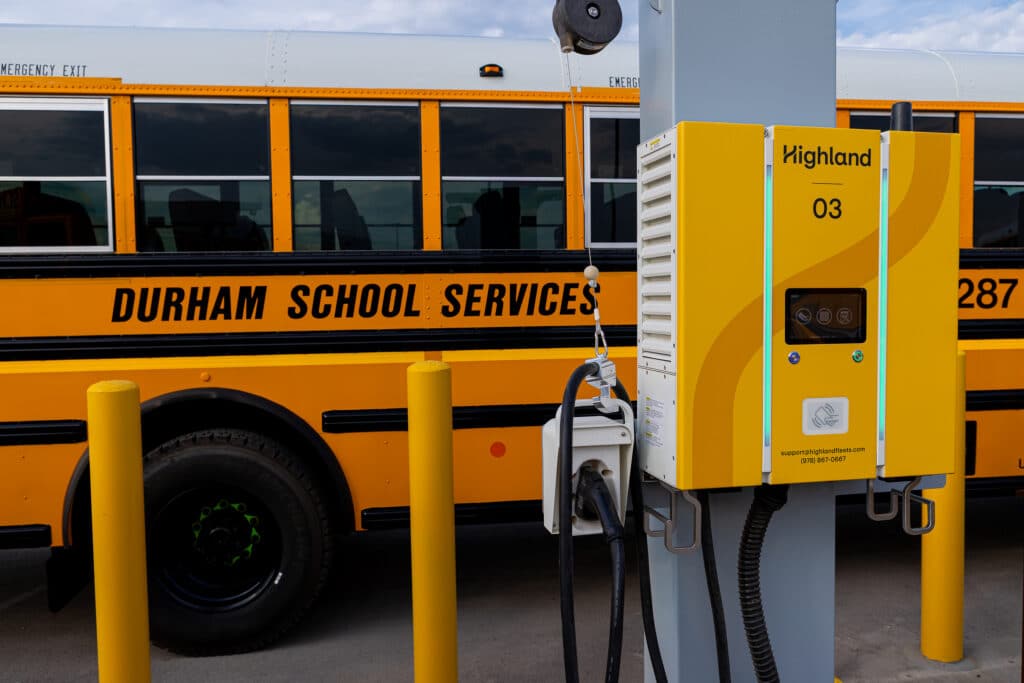
The new IC Bus electric school buses are being deployed through a partnership between Boise School District, Durham School Services and Highland Electric Fleets. The buses will begin transporting Boise students during the 2026-27 school year.
BSD received $2.76 million through the U.S. Environmental Protection Agency’s Clean School Bus Program to help fund the purchase of the eight electric buses. The federal funding helped move the project from the planning stage into operation while also supporting the charging infrastructure needed for the fleet.
“Bringing these eight electric school buses into service is an important investment in modernizing student transportation, being good neighbors by using public resources responsibly and building a more sustainable future for our community,” said Boise School District Superintendent Wendy Johnson. “We are grateful for the federal funding and the partnership of Durham School Services and Highland Electric Fleets, which have made it possible to introduce this innovative technology while creating meaningful opportunities to connect sustainability with student learning. We also thank Boise School District Sustainability Supervisor Ali Ward and Transportation Supervisor Lanette Daw for their leadership and dedication in bringing this important project to fruition.”
The electric school buses build on Boise School District’s broader sustainability and responsible resource-management efforts. The District has established priorities focused on energy conservation, water stewardship, waste reduction and environmental education, along with a Board of Trustees-adopted commitment to clean energy.
Boise schools have also pursued energy-efficiency programs, solar and geothermal energy projects, and opportunities to incorporate sustainability initiatives into classroom learning.
Unlike conventional diesel school buses, the new electric buses produce no tailpipe emissions. This eliminates diesel exhaust around students during their daily trips to and from school. Maintaining healthy air quality remains particularly important for children and other vulnerable populations.
The transition to electric buses can also provide operational benefits. Electric vehicles use fewer moving parts than traditional diesel buses, potentially reducing maintenance requirements and associated operating costs over time.
“The addition of these eight new electric school buses is another meaningful step forward towards a healthier tomorrow for Boise School District students and the community. We are proud to have had a helping hand in driving this EV project across the finish line,” said Wayne Skinner, Senior Vice President of Fleet and Procurement at Durham School Services. “This project is truly a phenomenal reflection of our shared commitment to providing our students and the communities we serve with safe, innovative transportation that they can trust and parents can depend on. Thank you to all our partners for helping bring this project to life.”
Highland Electric Fleets worked with Boise School District and Durham School Services throughout the electrification process. Its responsibilities included supporting the deployment of the electric buses and charging infrastructure as well as managing the electric fleet over the long term.
Highland provides its services through an Electrification-as-a-Service (EaaS) model, working with school districts and transportation providers to simplify and manage the transition to electric transportation while supporting fleets throughout the life of their projects.
“Replacing just five diesel school buses with electric buses can reduce the risk of pediatric asthma for approximately 1,500 students,” said Brian Buccella, Chief Commercial Officer at Highland Electric Fleets. “We’re proud to work alongside Boise School District and Durham School Services to bring eight new electric buses to the community and help create a healthier transportation environment for students, families and the broader Boise community.”
Boise School District celebrated the arrival of the electric buses with a ribbon-cutting ceremony on August 26, 2026, at the District’s transportation facility on W. Gowen Road in Boise. Following the ceremony, attendees were able to tour the new electric buses and take a demonstration ride.
Boise School District is a public school system serving approximately 21,650 students across 33 elementary schools, eight junior high schools and six senior high schools, as well as Boise Online Secondary School.
Durham School Services provides student transportation services designed around safety, reliability and community needs. The company combines local operations with established safety standards and accountability to provide transportation services for students and families.
Highland Electric Fleets provides Electrification-as-a-Service for school districts, municipalities and fleet operators across North America. Founded in 2019, the company works with organizations seeking to transition their fleets to electric vehicles while managing the infrastructure and operational requirements associated with electrification.
Highland also develops and deploys vehicle-to-grid technology and manages electric school bus fleets. The company serves as the Official Electric School Bus Provider of the LA28 Olympic and Paralympic Games and Team USA.
EVinfo.net’s Take: Why Electric School Buses Are Good for Schools
Electric school buses offer schools a practical way to reduce pollution, lower operating costs and modernize student transportation. Unlike diesel buses, EV buses produce no tailpipe emissions, eliminating diesel exhaust around students, drivers and school communities. This is especially important because children are more vulnerable to the effects of air pollution.
Electric buses also have fewer moving parts than diesel vehicles, which can reduce maintenance requirements and potentially lower long-term operating costs. Their quiet operation can make school environments more pleasant, while charging can often be scheduled overnight when buses are parked.
Electric school buses can also support the electric grid through vehicle-to-grid technology, allowing school districts to potentially earn revenue by sending stored electricity back to the grid when needed. With federal, state and utility programs helping offset upfront costs in many areas, electric school buses can provide environmental, health and economic benefits while giving students a firsthand introduction to clean transportation technology.
Fleet Eforce, Your Commercial EV Uptime Partner
Boise’s support of electric school and transit buses is impressive. But service of these buses is often not reported enough in mainstream media.
Fleet EForce specializes in keeping commercial electric bus and truck fleets operating with less downtime. The company provides aftermarket service and repair, remote diagnostics, preventative maintenance, technician training and a large inventory of replacement parts for electric buses. Fleet EForce supports multiple electric bus platforms and combines field technicians with telematics and remote troubleshooting to identify problems and speed repairs.
With more than $3 million in electric bus parts inventory, the company also helps fleet operators address critical and long-lead component shortages. As more transit agencies and commercial operators transition to electric vehicles, specialized maintenance and support services like Fleet EForce could become increasingly important for maximizing fleet uptime, extending vehicle life and reducing the total cost of ownership.

Electric Vehicle Marketing Consultant, Writer and Editor. Publisher EVinfo.net.
Services