EV Adoption Growing in USA as Gas and Diesel Prices Continue to Skyrocket
In the United States, skyrocketing gasoline and diesel prices are vastly strengthening the economic case for electric vehicles (EVs), as consumers and commercial fleets increasingly look for ways to reduce transportation costs. Despite cuts in federal incentives, the U.S. EV market continues to demonstrate demand, with new and used electric vehicles offering cost-saving alternatives to increasingly expensive gasoline and diesel.
On October 16, 2026, AAA reported national average U.S. gas prices at $4.3271, with a year-ago average of $3.0570. Diesel was reported at national average of $6.3261, and a year-ago average of $3.6491.
The U.S. electric vehicle market recorded its strongest quarterly performance in a year during the third quarter of 2026, with 262,649 EVs sold, according to Kelley Blue Book estimates from Cox Automotive. Sales increased 6.1% from the second quarter, marking the highest quarterly total since the third quarter of 2025.
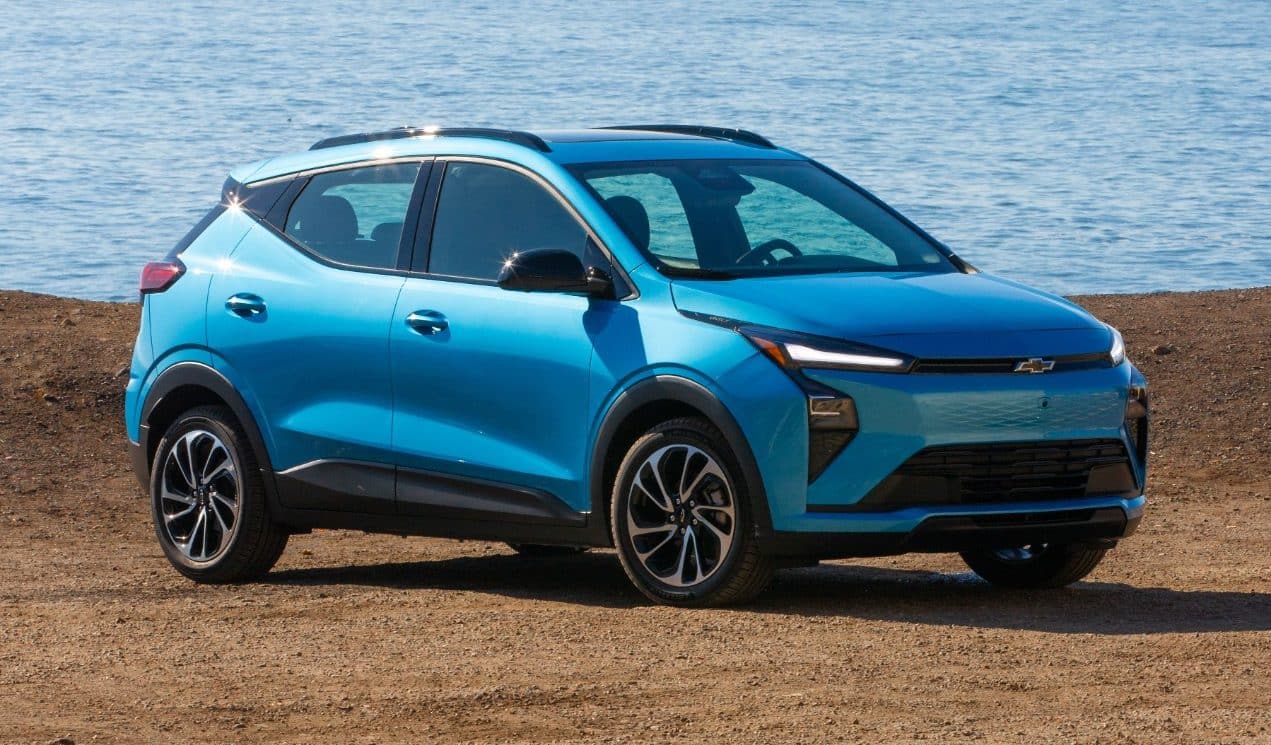
The used EV market is also showing impressive growth. Recurrent’s Used Electric Car Prices & Market Report for the fourth quarter of 2026 found that used EV retail prices were 8% higher than a year earlier, although prices have remained relatively stable over the past several months. Used electric vehicles are holding onto the gains made during 2026, demonstrating continued demand despite the expiration of the federal EV tax credit.
Used EV sales increased 23% in March after the start of the Iran war, and kept positive until rising 8.3% in August, while overall used-car sales declined 3.2% in August. Used electric vehicles are selling at a pace comparable to similar gasoline-powered cars, even with EV prices averaging approximately 8% higher. Supply is increasing, giving consumers more choices across different brands and vehicle segments.
Greater model availability is now available, giving shoppers more opportunities to find electric vehicles that fit their budgets and driving needs. For buyers, used EV prices have largely stabilized.
FedEx Purchase of 200 Harbinger EV Trucks Reduces Fuel Costs by an Average of $20,000 Annually Per Truck
Commercial fleets also have compelling reasons to accelerate electrification as diesel prices keep risingc. Electric trucks can substantially reduce fuel expenses, particularly for businesses operating vehicles over long distances or accumulating high annual mileage.
One major example is Harbinger, which announced on September 30, 2026, that it had received an order from FedEx for 2,000 all-electric medium-duty trucks valued at more than $300 million. The order marks a significant expansion of the companies’ fleet electrification partnership.
“FedEx is demonstrating that the business case for incorporating electric vehicles into real-world fleet operations at scale makes sense,” said John Harris, Harbinger Co-Founder and CEO.

According to Harbinger, each electric truck can reduce fuel costs by an average of $20,000 annually compared with a comparable diesel vehicle. Based on a designed 20-year service life, the company estimates that the 2,000-truck deployment could generate approximately $40 million in annual fuel savings, totaling $800 million over the vehicles’ operating lives.
These potential savings illustrate why electrification is becoming an increasingly attractive business decision, particularly when diesel prices remain elevated. Lower fuel expenses can improve fleet operating economics, while electric drivetrains can also reduce routine maintenance requirements.
The growing availability of used EVs, continued quarterly sales growth and large commercial fleet orders demonstrate that electric transportation is expanding beyond early adopters. Although upfront prices, charging access and vehicle availability remain important considerations, consumers and businesses have increasingly practical reasons to make the switch.
As gasoline and diesel prices continue to skyrocket, electric vehicles offer a way to reduce exposure to volatile petroleum markets. For American drivers and fleet operators alike, the financial case for going electric is becoming harder to ignore.
EVinfo.net’s Take: EVs and Renewable Energy Are the Answer to Global Oil Shocks
The Iran war and soaring global fuel prices are accelerating the worldwide shift to electric vehicles (EVs) and renewable energy as consumers and businesses seek alternatives to expensive, volatile fossil fuels. By switching to electric transportation and clean energy, people can reduce energy costs, strengthen energy security, and reduce dependence on imported oil. This transition also helps combat human-caused climate change, reduce air pollution, and improve public health.
As geopolitical conflicts expose the vast economic risks of relying on petroleum, EVs and renewable energy are becoming increasingly important investments in a cleaner, more affordable, and energy-independent future. Wars, reckless and economically damaging tariffs, and support of gas vehicles are not the answer. Vote for EVs and renewable energy, lower prices, ending the war, and stopping the tariffs in the November elections.

Bold Companies Supporting American EV Adoption
EV Tech provides electric vehicle charging equipment, engineering, installation, and infrastructure solutions for commercial properties, residential developments, fleets, and public charging networks. With more than 20 years of industry experience and thousands of charging stations installed nationwide, the company offers Level 2 chargers, DC fast-charging systems, and intelligent energy management technology designed to maximize available electrical capacity and minimize costly upgrades. EV Tech also provides turnkey installation, network management, monitoring, maintenance, and technical support, helping businesses, property owners, and fleet operators expand EV charging access while supporting the transition to cleaner transportation.
Autel Energy develops smart electric vehicle charging and energy solutions for residential properties, workplaces, commercial businesses, public charging networks, and fleets. Its MaxiCharger product lineup includes Level 2 AC chargers and high-power DC fast chargers designed to deliver reliable performance, flexible deployment, and intelligent energy management.
Autel’s solutions feature connected software, mobile app controls, dynamic load balancing, remote monitoring, and compatibility with open charging standards, helping businesses optimize energy use, manage operating costs, and scale charging infrastructure. The company also supports integrated energy storage and renewable energy applications, contributing to the expansion of dependable EV charging infrastructure and accelerating the transition to electric transportation
Lectrium provides AI-powered automotive merchandising and EV education tools that help dealerships increase electric vehicle sales by making it easier for consumers to understand EV ownership. Its platform offers vehicle-specific information on driving range, charging, fuel savings, incentives, features, and ownership costs directly on dealership vehicle detail pages.
Lectrium’s Lumi AI agent answers shoppers’ questions using dealership inventory and vehicle data, helping address common concerns about range, charging, and affordability while generating qualified leads and supporting sales teams. By combining accurate EV information, interactive tools, and personalized AI assistance, Lectrium helps dealerships build consumer confidence, improve the online shopping experience, and accelerate electric vehicle adoption.
Camber Charging provides end-to-end electric vehicle charging solutions for commercial fleets, public transit agencies, school districts, municipal vehicles, and other fleet operators. With more than 1,700 DC fast-charging ports deployed, Camber offers charging equipment, infrastructure design, installation, commissioning, intelligent energy management, and ongoing maintenance and support.
Its Camber Core platform enables charger monitoring, charging cost optimization, and remote maintenance, helping fleet operators keep vehicles charged and ready for daily operations. Camber Complete offers a performance-based service model with up to 98% guaranteed charger uptime, with service fees waived when contracted performance thresholds are not met. By prioritizing charging reliability, operational efficiency, and predictable costs, Camber helps organizations electrify their fleets with greater confidence

Electric Vehicle Marketing Consultant, Writer and Editor. Publisher EVinfo.net.
Services