Historic First: 2026 Wards 10 Best Engines Awards Go Entirely to Electrified Powertrains
For the first time in the 32-year history of the Wards 10 Best Engines & Propulsion Systems awards, every winner features an electrified powertrain. Announced October 13, 2026, the awards recognize four battery-electric vehicles (BEVs), four hybrid electric vehicles (HEVs), and two plug-in hybrid electric vehicles (PHEVs), marking a major milestone in the automotive industry’s transition away from conventional internal-combustion engines.
WardsAuto selected the winners from 26 nominees, evaluating horsepower, torque, noise, vibration, harshness, observed efficiency, and technological innovation under real-world driving conditions.
The 2026 winners are:
Battery-Electric Vehicles:
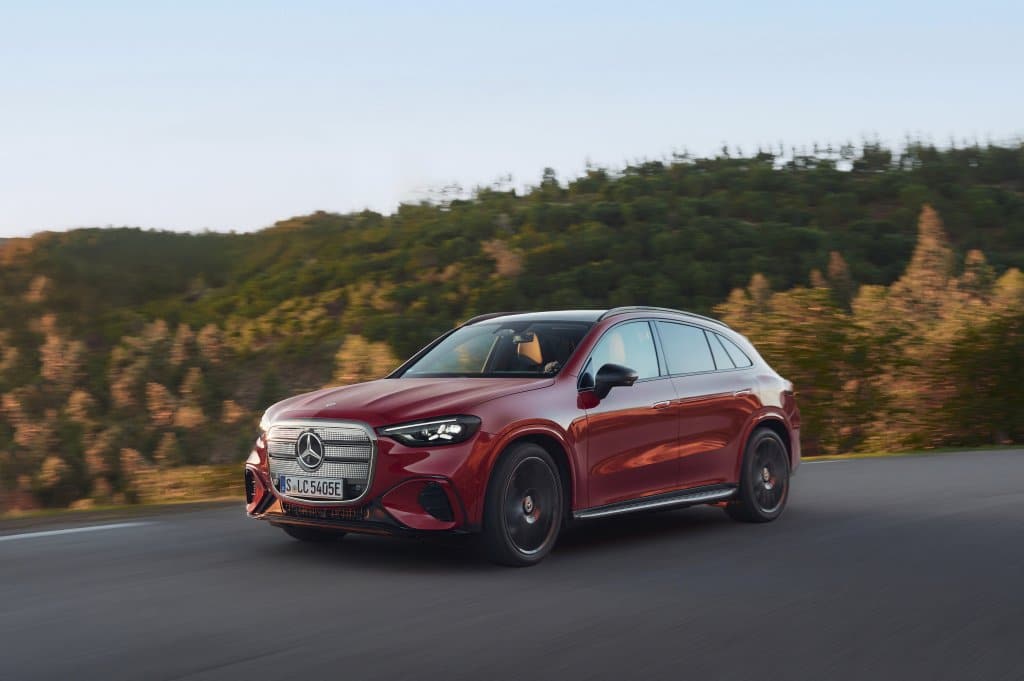
- Mercedes-Benz GLC 400 4Matic Electric
- Rivian R2 Performance
- Subaru Trailseeker
- Volvo EX60 P10 AWD
Hybrid Electric Vehicles:
- Chevrolet Corvette ZR1X
- Hyundai Palisade Hybrid
- Nissan Rogue Hybrid
- Porsche 911 Carrera GTS T-Hybrid
Plug-In Hybrid Electric Vehicles:
- BMW M5 Touring
- Toyota RAV4 PHEV GR Sport
The results demonstrate how electrification now extends across vehicle categories, from affordable crossovers to high-performance sports cars. The 1,250-horsepower Chevrolet Corvette ZR1X combines a twin-turbocharged 5.5-liter V-8 with a 186-horsepower electric motor powering the front axle, illustrating how electric propulsion can enhance performance as well as efficiency.
The ten winners include seven crossover utility vehicles, two sports cars, and one sport wagon. They represent manufacturers from Germany, Japan, the United States, South Korea, and Sweden. Prices range from $43,035 for the Nissan Rogue Hybrid to $242,060 for the Corvette ZR1X, with seven winners priced below an average of $55,000.
Electrification first appeared among Wards’ winners in 2001, when the original Toyota Prius hybrid earned recognition. The awards were renamed Wards 10 Best Engines & Propulsion Systems in 2020 to reflect the industry’s changing powertrain landscape.
The 2026 results confirm that electrification is no longer a niche technology. Automakers are integrating electric motors and batteries into vehicles across price points and performance segments, while battery-electric vehicles are increasingly competing directly with traditional gasoline-powered models.
For the first time, not a single powertrain relying exclusively on internal combustion made the final list. The milestone underscores the growing importance of electrification in automotive engineering and the industry’s evolving definition of powertrain excellence.
EVinfo.net’s Take: Skyrocketing Fuel Prices Push Global Gas Car Sales Below 50% for First Time
It is not surprising that for the first time, not a single powertrain relying exclusively on internal combustion made the final list for the Wards 10 Best Engines & Propulsion Systems awards. The world is quickly moving away from polluting, inefficient, more expensive to own gas vehicles, towards clean, cost-saving EVs.
Global gasoline-only vehicle sales fell below 50% of new vehicle sales for the first time in history, according to an October 4, 2026, OilPrice.com report. The Strait of Hormuz crisis and soaring oil prices have accelerated the transition to electric vehicles (EVs), particularly in markets outside China.
Data from Mobility Global showed gasoline-only vehicle sales, excluding hybrids, declined 10% year over year during the first half of 2026 to 20.25 million vehicles, reducing their global market share to 49%. China already has a majority-electrified market, with hybrids and EVs accounting for approximately 55% of sales.
Europe experienced particularly strong growth. August battery-electric vehicle sales increased 52.2% year over year, including a 75% increase in Germany and more than double the sales in France. In Germany, battery-electric vehicles accounted for one-third of passenger car sales in August, supported by high fuel prices and government incentives.
The International Energy Agency reported global EV sales rose 35% in the second quarter compared with the first quarter of 2026. Sales reached record levels in 50 countries, while markets including Brazil, India, Australia, and Vietnam saw electric car sales roughly double between March and June compared with the same period in 2025.
Wood Mackenzie analysts say energy-market volatility could accelerate EV adoption beyond previous forecasts. However, continued growth will require substantial investment in battery-mineral supplies and charging infrastructure.
The United States risks losing competitiveness as China and Europe expand their electric vehicle industries. Foolish federal fuel-economy policy changes, including the reduction of planned Biden-era 2031 standards from 50 mpg to 34.5 mpg, could negatively influence automakers’ investment decisions in EVs. Lower vehicle efficiency means higher emissions, increased pollution and higher consumer costs.
Sustaining American automotive manufacturing and jobs will require competing in a global market increasingly shaped by electric powertrains, advanced battery technology, and charging infrastructure, and that will mean more federal support for EV production and EV adoption.

Electric Vehicle Marketing Consultant, Writer and Editor. Publisher EVinfo.net.
Services