Rising Petroleum Costs Are Pushing up the Price of U.S. Oil Changes, Parts, and Insurance as EVs Save Money
Autoweek reported September 21, 2026, that rising petroleum prices are driving up the cost of car ownership, affecting everything from motor oil and replacement parts to vehicle repairs, transportation and insurance. The Iran war and disruptions to global oil supplies are adding to inflationary pressures, making driving increasingly expensive for American households.
Motor oil prices have surged. After Labor Day, the price of 10 quarts of full synthetic oil at Costco reportedly jumped from $30 to more than $57. At Walmart, five quarts of Valvoline 5W-30 full synthetic cost $35.97 on September 18, 2026. At Terry’s North Coast Auto Repair in Cleveland, manager William Robinson reported a 25% increase in motor oil prices, warning that independent repair shops could eventually pass additional costs on to customers.
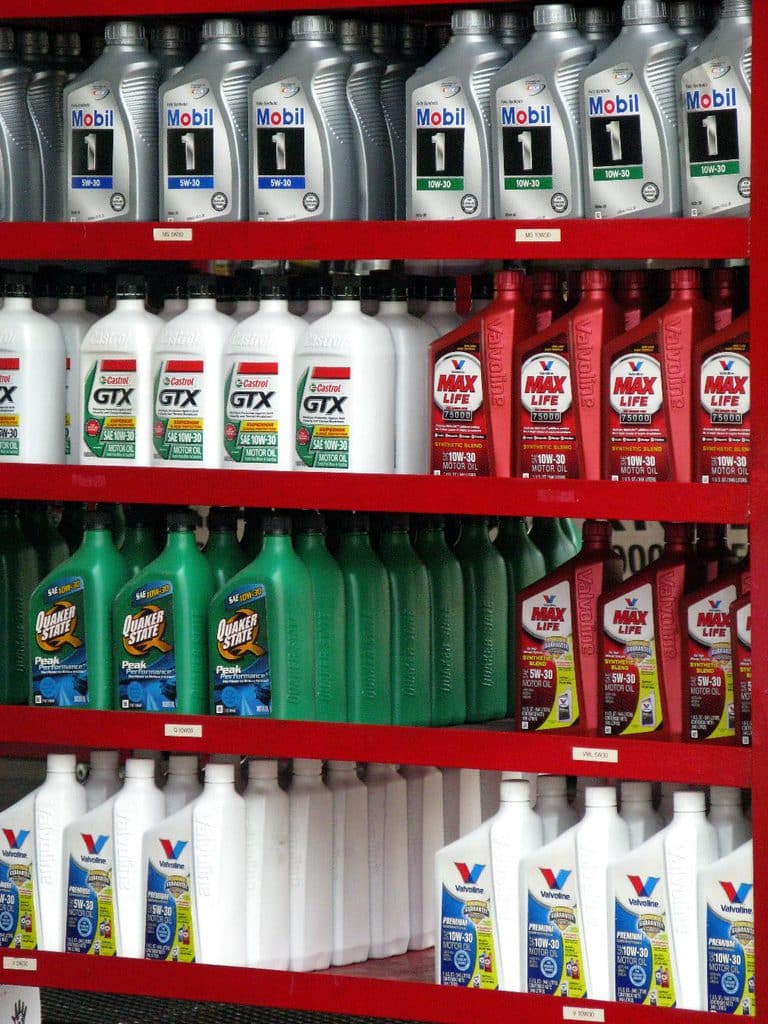

Supply disruptions in the Middle East are contributing to the increases. According to consulting firm Ducker Carlisle, approximately 44% of the Group III base oil refined into synthetic oil for the U.S. market comes from the region. Shipping through the Strait of Hormuz, a critical route for global energy supplies, has been severely disrupted. The strait normally handles approximately 20 million barrels of oil daily.
On October 13, 2026, AAA reported the current U.S. average gas price at $4.3413, with a year-ago average of $3.0821. The diesel average for October 13 was reported at $6.2787, with a year-ago average of $3.6533. Diesel prices above $6 per gallon are also increasing freight costs and putting pressure on supply chains.
Automotive parts rely heavily on petroleum-derived plastics, rubber, lubricants and synthetic materials. A Roland Berger analysis estimated that petrochemical production and distribution disruptions could increase costs for automotive plastics and chemicals by 15% to 25%. A typical vehicle contains 330 to 440 pounds of petrochemical-derived plastic components.
Aluminum prices have also climbed to multiyear highs. The Middle East supplies approximately 10% of global aluminum, while the United States imports about half its supply. Higher shipping costs and tariffs on imported parts add further pressure.
According to a Navy Federal Credit Union study, overall car ownership costs have increased 50% since 2020, while repair costs have risen 70% over five years. Average annual auto insurance costs reached $2,124 in 2026.
With geopolitical uncertainty continuing to disrupt energy and materials markets, Americans face mounting costs simply to maintain and operate their vehicles. The growing expense also highlights the vulnerability of transportation systems heavily dependent on petroleum, reinforcing the economic case for electric vehicles that can reduce exposure to gasoline and oil-price volatility.
Other prices are going up due to the Iran war as well. USDA reported food prices in August 2026 were 2.7 percent higher than in August 2025.

EVinfo.net’s Take: Rising Gasoline And Motor Oil Prices Make EVs More Attractive
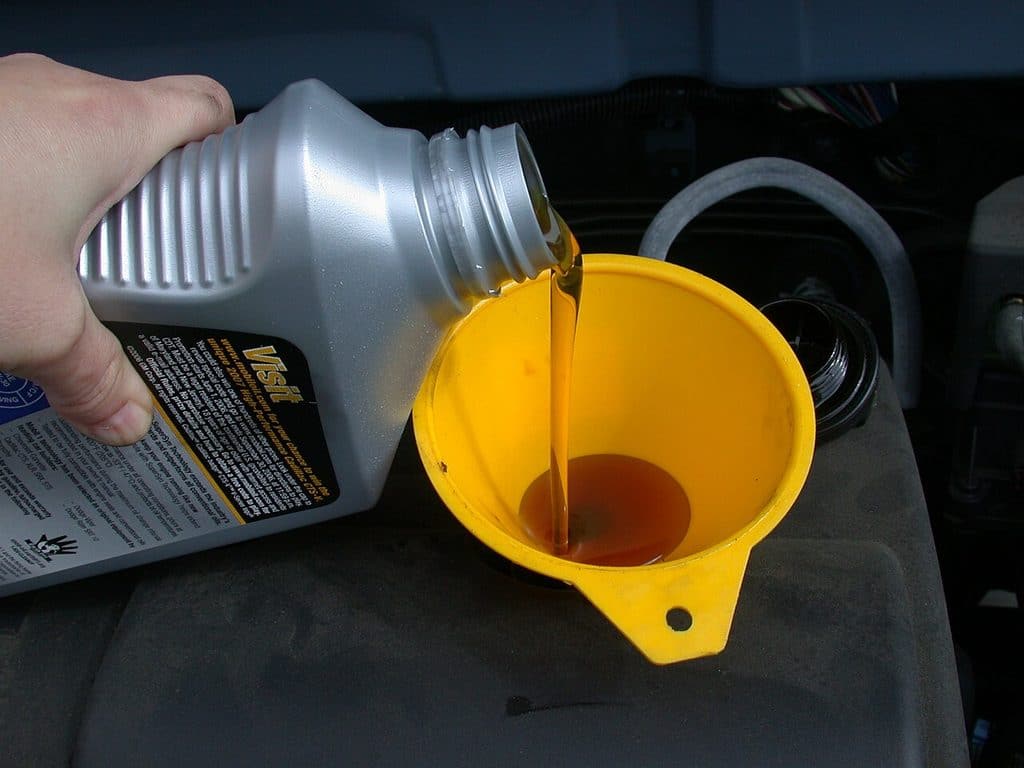
As gasoline and motor oil prices continue to skyrocket with no end in sight, electric vehicles are becoming an increasingly attractive option for American car buyers. Battery-electric vehicles use no gasoline and require no engine oil changes, helping drivers avoid two rising costs of owning a conventional gas-powered car.
EVs still contain plastic components and require maintenance and repairs, but they have far lower maintenance costs because they have fewer moving parts and no internal combustion engine, oil changes, spark plugs or exhaust systems. While repair costs vary by vehicle and damage, EVs offer significant long-term savings.
With gasoline prices climbing and motor oil costs rising amid global petroleum supply disruptions, the financial advantages of driving electric are becoming impossible to ignore.
U.S. EV sales are showing renewed momentum. According to Kelley Blue Book estimates from Cox Automotive, Americans purchased 262,649 electric vehicles in the third quarter of 2026, a 6.1% increase over the second quarter and the strongest quarterly sales performance in a year.
As fuel and maintenance expenses and a wide variety of higher prices due to current federal government mistakes continue to pressure household budgets, EVs offer consumers a way to reduce dependence on gasoline and avoid routine engine maintenance. Rising petroleum prices could give more Americans another reason to make the switch to electric.

Electric Vehicle Marketing Consultant, Writer and Editor. Publisher EVinfo.net.
Services