BMW Opens High-Voltage Battery Assembly Plant in South Carolina, Starts U.S. EV Production
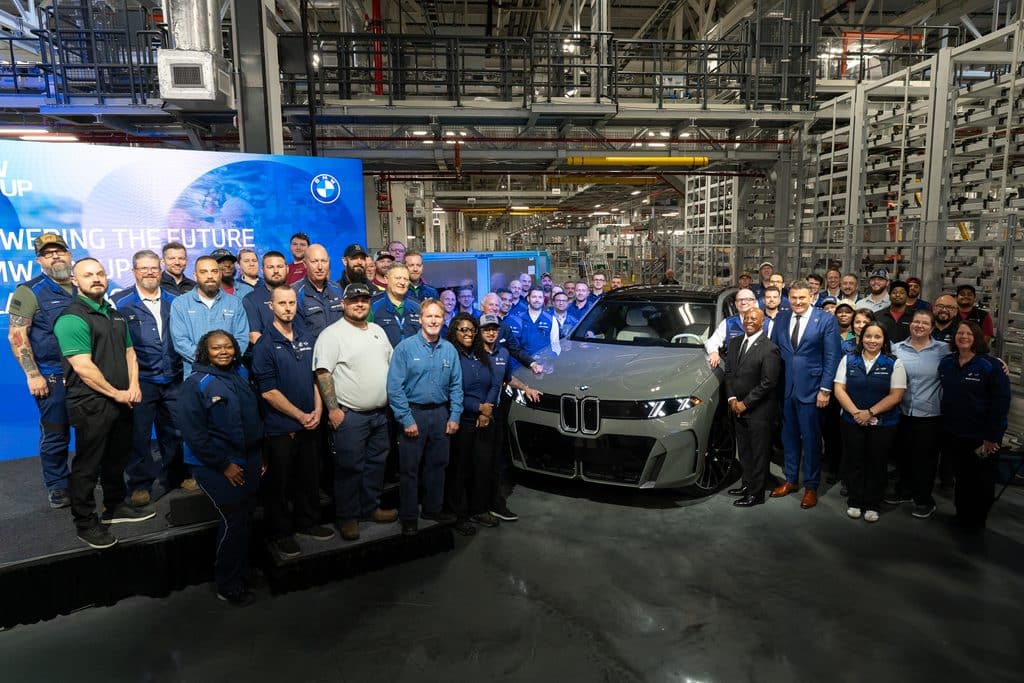
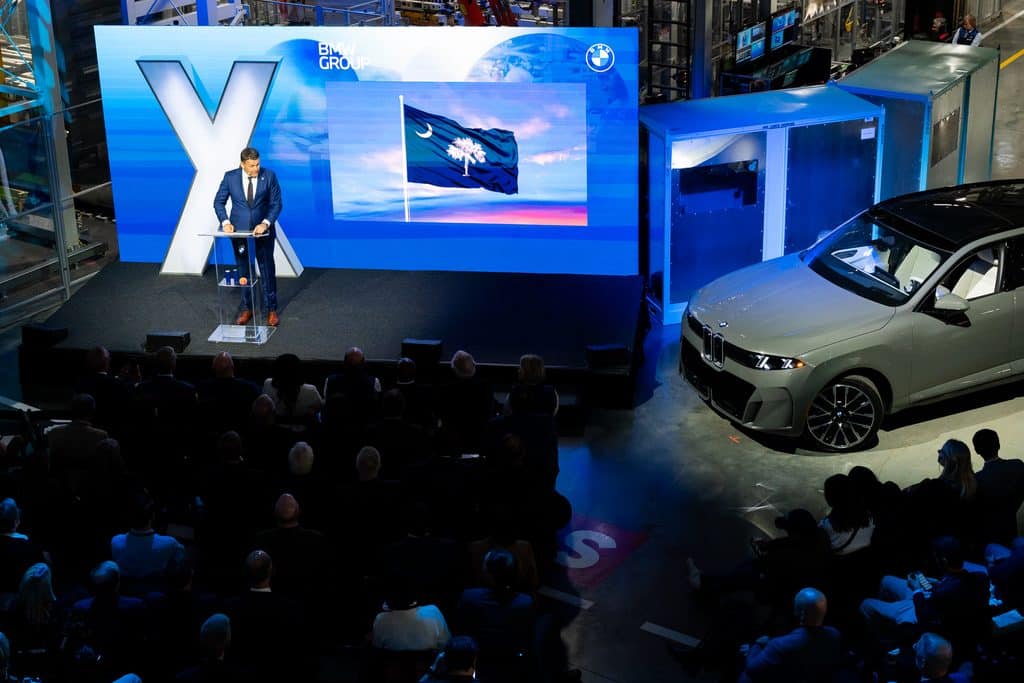
The BMW Group officially opened its new Plant Woodruff in South Carolina on November 13, 2026, marking the start of series production and a major milestone in the company’s electrification strategy. The facility will assemble sixth-generation (Gen6) high-voltage batteries for installation in the new BMW iX5 and future electric vehicles manufactured at BMW Group Plant Spartanburg, located just 15 miles away. The iX5 will become BMW’s first fully electric model assembled in the United States.
“Electromobility is our most important growth area. That is why we are systematically electrifying our portfolio, with the US playing a key role: By 2030, we will be assembling at least six fully electric models at Plant Spartanburg,” said Raymond Wittmann, BMW AG Board of Management member responsible for Production.
Wittmann described the Woodruff facility as the foundation for the first series production of fully electric BMW vehicles at Plant Spartanburg and on the American continent.
Local for Local: Five Gen6 Battery Assembly Facilities
BMW built its five new high-voltage battery assembly plants close to its vehicle manufacturing facilities under its “Local for Local” strategy. Gen6 battery production began in Debrecen (Hungary) in October 2025, followed by Irlbach-Straßkirchen (Germany) and Shenyang (China) in October 2026. Woodruff now joins those locations, with San Luis Potosí (Mexico) scheduled to follow in 2027.
The expanded production network establishes high-voltage battery assembly operations across Europe, Asia, and North America. BMW intends to use this regional manufacturing structure to support fully electric Neue Klasse vehicles produced on three continents while sharing manufacturing expertise and accelerating the industrialization of its battery technology worldwide.
“With the opening of our Woodruff plant, we are expanding our global Gen6 network: high-voltage battery assembly is now in place in Europe, Asia and North America,” Wittmann said. “This creates a key prerequisite for producing fully electric Neue Klasse vehicles on three continents.”
BMW Manufacturing President and CEO Robert Engelhorn said the company was delivering on its commitment to begin assembling fully electric BMW vehicles in the United States by the end of 2026. The Woodruff facility strengthens the connection between battery and vehicle manufacturing, with its batteries traveling just 15 miles to Plant Spartanburg.
AI, Robotics, and Zero-Defect Manufacturing
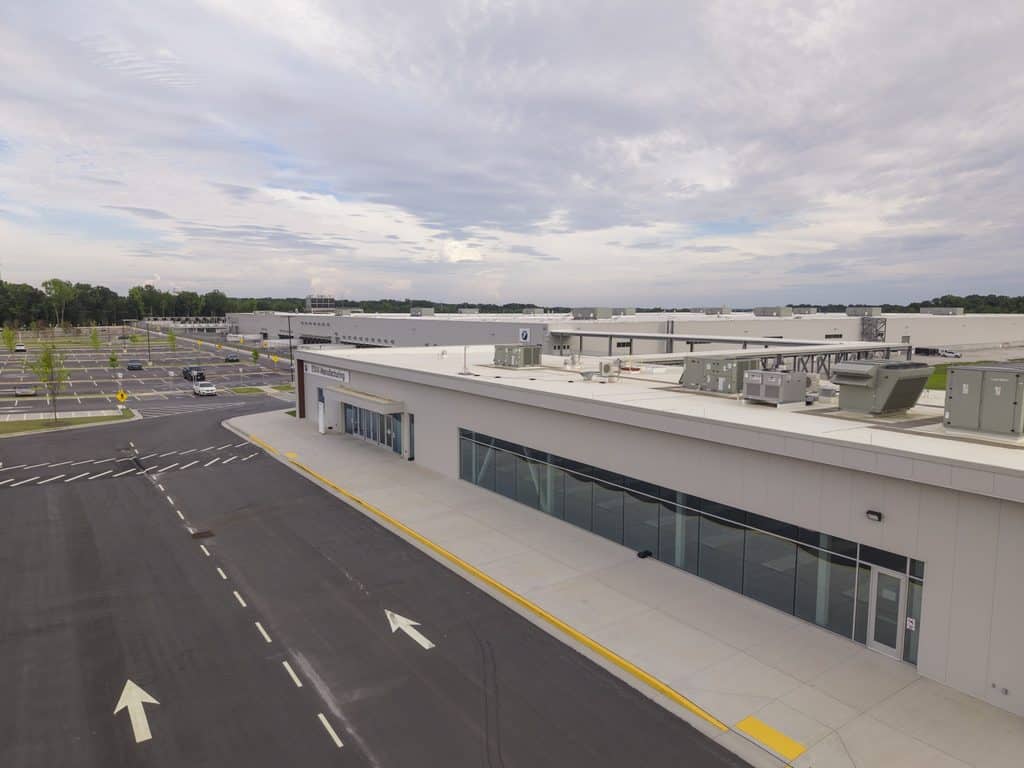
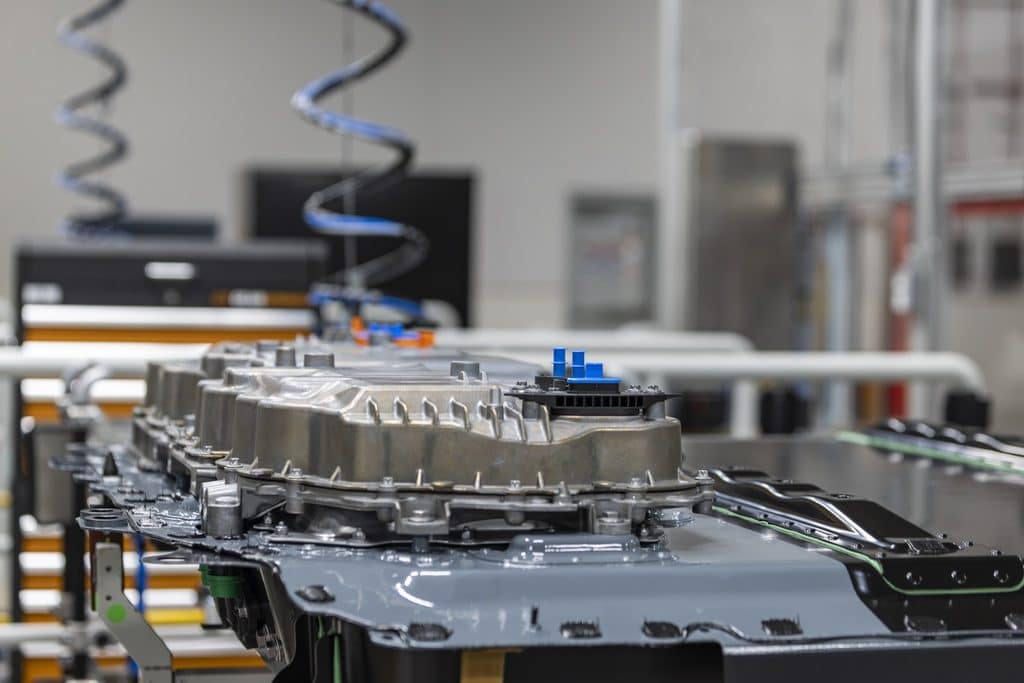
Plant Woodruff uses advanced production technologies to assemble BMW’s internally developed Gen6 high-voltage batteries. The new cylindrical round cells are integrated directly into the battery using a cell-to-pack design.
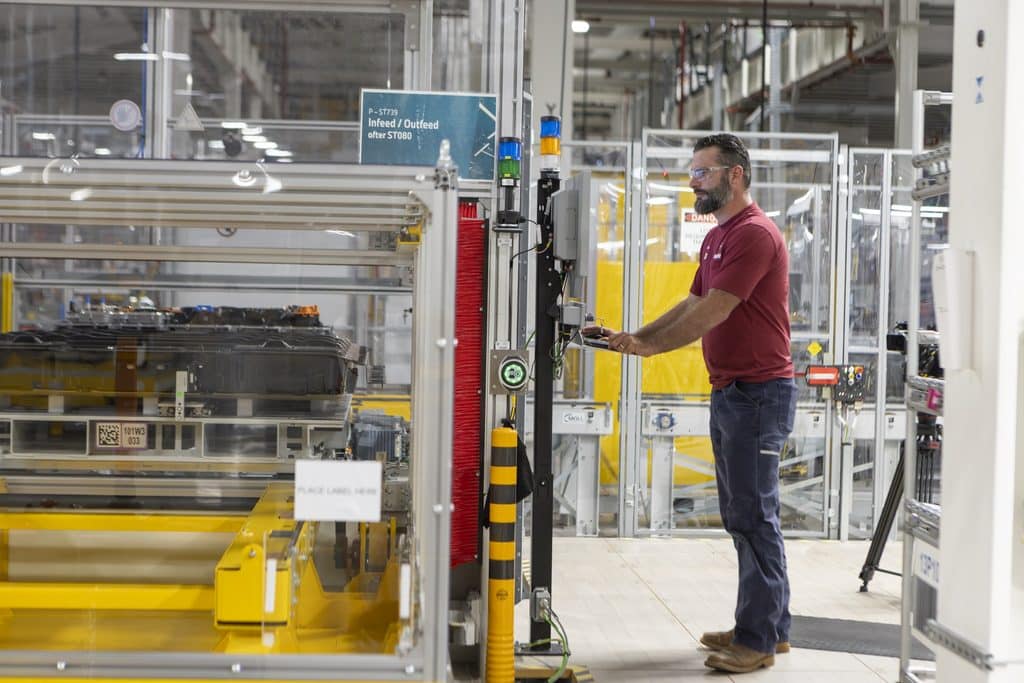
More than 300 employees and approximately 250 robots work together at the facility. Every production step is monitored in-line and documented in real time. BMW-developed artificial intelligence assistants and agents analyze the resulting data to support manufacturing operations, maintain quality, and improve Overall Equipment Effectiveness (OEE).
The facility also uses digital twins and virtual reality applications to improve production planning and employee training. Before the plant entered operation, digital replicas of its manufacturing equipment and production lines helped prepare the facility for commissioning.
Virtual Reality Training Prepares Employees
Every production employee at Plant Woodruff completes a VR training program developed at the facility. The virtual factory replicates the plant’s production lines in detail, allowing employees to practice actual manufacturing procedures in a realistic environment.
The training helps workers understand production processes, become familiar with equipment, and build confidence before operating machinery on the production floor.
BMW Vice President of Manufacturing at Plant Woodruff Rich Everly emphasized the speed of the facility’s development and the importance of its workforce and global manufacturing network.
“With today’s opening of Plant Woodruff, we demonstrate how quickly we can scale a new battery concept to industrial production,” Everly said. He credited the team’s experience and collaboration across BMW’s production network for helping accelerate the project.
Plant Construction and Production Timeline
BMW officially broke ground on the Woodruff facility in June 2023, with construction beginning in September 2023. Manufacturing equipment installation started in September 2024, approximately one year later, while construction activities continued.
The first test and pre-series batteries rolled off the assembly line in summer 2025. The November 2026 opening marked the transition to series production, just over three years after construction began.
Gen6 Batteries Reduce Carbon Emissions
The Gen6 battery cells destined for the BMW iX5 incorporate a high proportion of secondary materials in their cobalt, lithium, and nickel content. Renewable energy is used in producing the anode and cathode materials and manufacturing the cells.
Compared with the Gen5 cells used in the BMW iX, Gen6 cells reduce CO₂-equivalent emissions by approximately 28% per watt-hour.
Plant Woodruff also incorporates sustainability measures into its operations. The facility does not use fossil fuels during normal operations, while its industrial trucks run on hydrogen.
How BMW Builds Its Gen6 High-Voltage Batteries
BMW purchases battery cells from leading manufacturers that produce them according to the company’s technical specifications. Although the cells are not manufactured at Woodruff, BMW maintains its battery product and process expertise through dedicated competence centers in Bavaria.
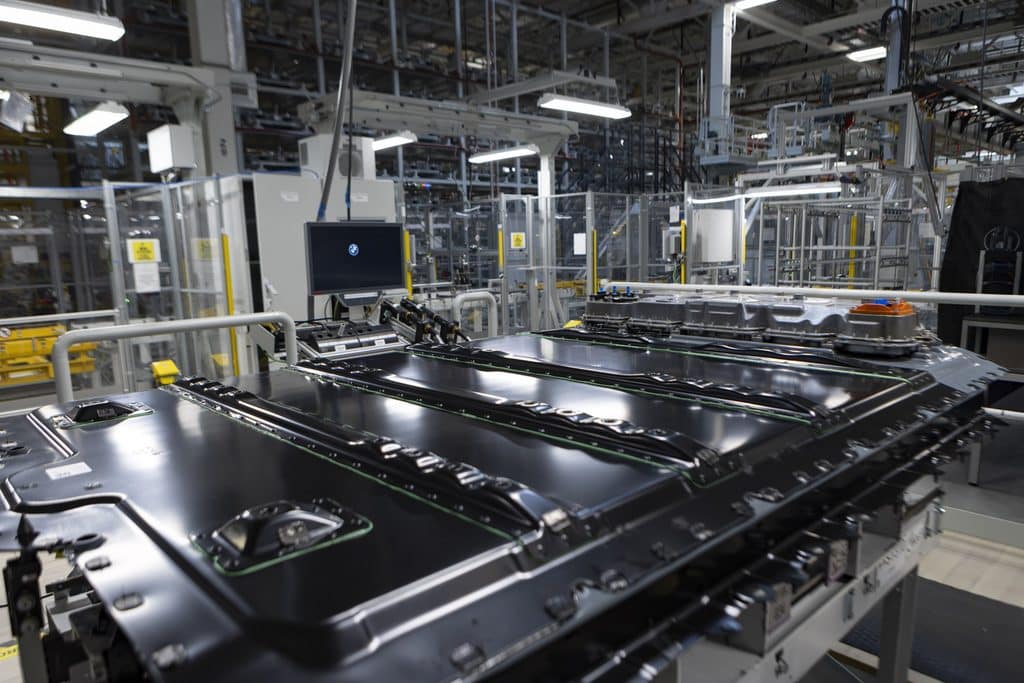
When battery cells arrive at Woodruff, employees conduct additional inspections, including voltage checks. The cells then undergo a process called cell clustering, during which they are connected to cooling systems to provide appropriate insulation and thermal management.
The assembled cell clusters and cell contact systems are laser-cleaned and precision-welded. In-line inspection technology continuously monitors every weld seam in real time to identify potential defects.
An innovative foaming process then protects the battery components as a mechanical unit. Once hardened, the foam provides structural stability, safety, and durability.
The battery housing is subsequently closed, sealed, and riveted. During final assembly, BMW installs the Energy Master, the central control unit responsible for managing the high-voltage battery. Every completed battery undergoes a 100% end-of-line inspection before leaving Woodruff for Plant Spartanburg.
Gen6 Battery Technology Improves Energy Density, Charging, and Range
BMW’s Gen6 technology introduces cylindrical battery cells offering more than 20% higher energy density than the previous generation. The company expects the new technology to reduce charging times by up to 30% and increase driving range by 30%, with even greater improvements possible in certain models.
The combination of improved battery performance, lower production emissions, and a closely integrated manufacturing network supports BMW’s next generation of fully electric vehicles.
BMW Group’s U.S. Electrification Plans
BMW plans to assemble at least six fully electric models at Plant Spartanburg by 2030. The new Woodruff battery facility provides a critical part of the manufacturing infrastructure needed to achieve that goal.

Electric Vehicle Marketing Consultant, Writer and Editor. Publisher EVinfo.net.
Services