The Mercedes-Benz GLC With EQ Technology Is Its Most Important EV Yet
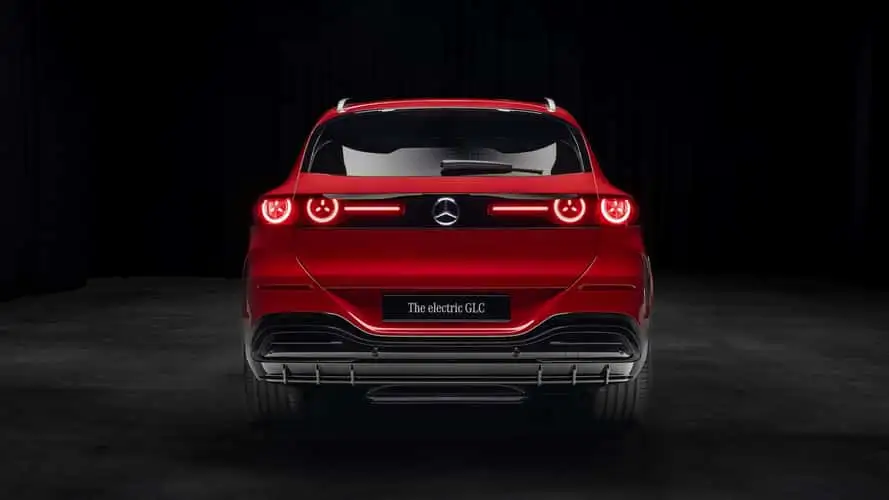
The 2026 Mercedes-Benz GLC with EQ Technology marks a pivotal moment for the brand. Positioned not merely as another electric vehicle, it’s Mercedes’s bold move to reclaim its presence in the EV market and reset its strategy after the mixed reception of its earlier EQ models. This new generation abandons the awkward “EQ-plus-letter” naming scheme, opting instead for a more familiar name, GLC with EQ Technology, clearly signaling its intent to build on Mercedes’s most popular compact luxury crossover.
Under the skin, the GLC EV embraces a modern, high-voltage architecture. Developed around an advanced 800-volt system, it promises rapid charging capability and a longer, more efficient range. While U.S. EPA figures remain forthcoming, the model is expected to offer over 400 miles of driving range, aligning it with its key competitor, BMW’s new iX3, as both are pushing beyond Tesla’s aging benchmarks. There will be two powertrain options.
One is the rear-wheel-drive GLC 300+ with EQ Technology, delivering 369 horsepower and 371 pound-feet of torque. The other is the more potent GLC 400 4Matic, which bumps output to 483 horsepower and 596 pound-feet, and sprints from zero to sixty in a brisk 4.4 seconds. Charging performance is equally impressive, with Mercedes targeting a 10-to-80 percent charge in under 24 minutes using peak rates up to 330 kW.
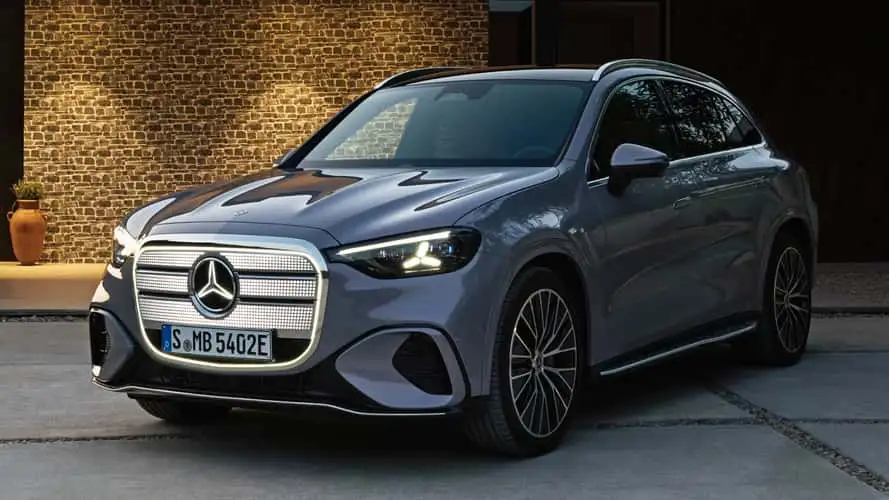
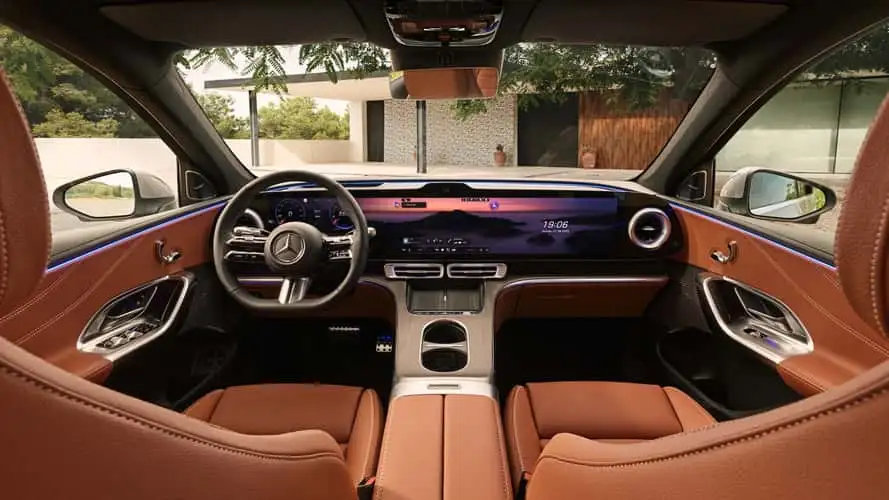
Inside, the GLC doubles down on the digital experience. Top-tier trim levels offer the “Hyperscreen”—a sweeping, continuous display that spans nearly 40 inches across the dashboard, combining the digital instrument cluster, infotainment interface, and a passenger-facing screen into one immersive panel. More mainstream shoppers can opt for a “Superscreen,” which integrates three distinct displays: a 10.25-inch gauge cluster, a 14-inch central infotainment screen, and another 14-inch display for the front passenger. Both systems are powered by Mercedes’ latest MB.OS software, promising over-the-air updates, intuitive user interfaces, and seamless integration of in-vehicle services.
But Mercedes isn’t just chasing novelty—it knows the stakes are high. Sales in China are slipping fast, and previous EV efforts under the EQ badge failed to gain traction. The GLC with EQ Technology isn’t just a new product; it’s a course correction. Mercedes hopes that its return to a more classic design language, combined with advanced drivetrains and smart software, will reengage buyers and strengthen its position in a market increasingly dominated by software-driven rivals.
A shift in naming conventions further underscores the company’s new direction. With the “with EQ Technology” suffix, Mercedes is moving away from the separate EQ brand and instead integrating electric models into its mainline lineup, an evolution aligned with how the company believes customers will recognize and accept EVs in the future.
Underpinning all of this is the understanding that success in the modern auto market demands more than clean drivetrains. German automakers must close the gap with Chinese and U.S. rivals whose software ecosystems are reshaping automotive expectations. Mercedes is now focusing on the capabilities their vehicles offer rather than the underlying software architecture.
Among those capabilities is the GLC’s “multi-agent” AI approach. Voice-driven assistance will tap into ChatGPT, Microsoft Bing AI, and Google’s Gemini to answer natural language requests—whether it’s locating an Italian restaurant with outdoor seating or explaining complex charging guidelines. This layered AI strategy aims to provide seamless, real-time support that feels like conversing with a personal assistant, not a machine.
There are still unanswered questions, such as how well these AI services work in everyday settings, and where the GLC will be priced relative to competitors. But one thing is clear: Mercedes is placing a big bet on the GLC EV as the bridge to its electric future. Deliveries of the GLC 400 4Matic are expected to begin in late 2026, with the GLC 300+ following in early 2027.
In many ways, this model represents Mercedes’s best chance yet to turn its EV ambition into momentum. With respectable range, rapid charging, a digitally immersive cabin, and AI-enhanced intelligence, the GLC with EQ Technology arrives at a critical juncture, offering a path forward for traditional luxury brands adapting to an electrified, software-defined world.