Pollentia, a Developer of Physical AI Systems for the Marine Industry, Recently Launched a Unified Vessel Intelligence Platform
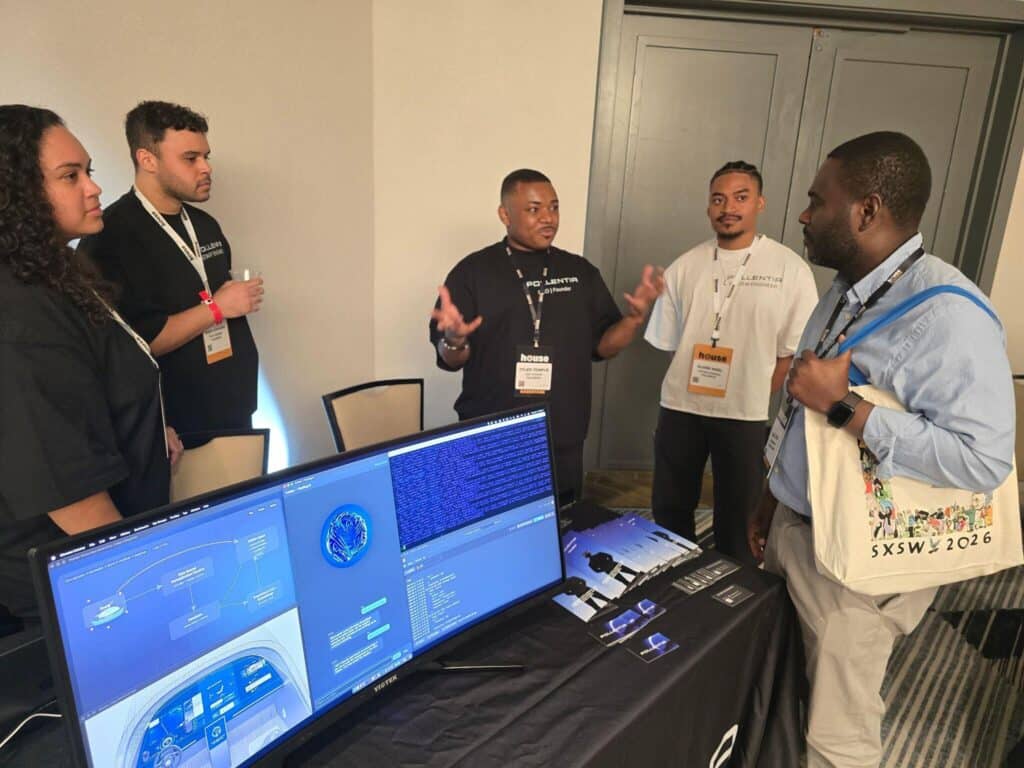
Pollentia participated in South by Southwest in March 2026 in Austin, Texas, where it introduced its AI Co-Captain platform to a broader industry audience. The system is a unified nervous system vessel intelligence layer that consolidates navigation inputs, engine diagnostics, sensors, and power system data into a single operational interface. Its purpose is to increase situational awareness onboard, minimize reliance on manual interpretation, surface emerging issues earlier in the lifecycle, and simplify the overall operation and upkeep of marine vessels.
At the event, Pollentia also detailed how the platform is deployed in practice. The rollout process includes installation, system configuration, and ongoing operational support, all structured to scale across multiple manufacturers and vessel architectures without requiring bespoke integrations for each implementation. The design emphasis is on repeatability and deployment consistency across diverse marine environments.
SXSW additionally served as a live validation environment where discussions with operators, OEMs, and fleet decision-makers directly influenced deployment strategy. Feedback collected in those sessions fed into refinements in how the system is configured, supported, and applied under real operational conditions rather than controlled demonstrations.
Pollentia’s AI Co-Captain Platform Performs Despite Unreliable Internet Access
On April 6, 2026, Forbes reported that most enterprise AI systems being developed today are designed around ideal conditions, including reliable internet access. For sectors that underpin global logistics and national defense, those assumptions quickly become operational risks rather than advantages.
At SXSW, Forbes interviewed Tyler Temple, CEO of Pollentia about the company’s AI Co-Captain. Temple explained how Co-Captain integrates with the Pollentia Global Network, a cloud-based lifecycle system for fleet management through secure over-the-air updates and ecosystem integrations, and detailed how reliable internet access is not a problem for the system.
“A vessel 200 miles offshore cannot wait for a round trip to the cloud to make a critical decision,” Temple told Forbes. “We built intelligence that lives where the work happens, onboard, in the moment, alongside the crew.”
First Customer Deployments
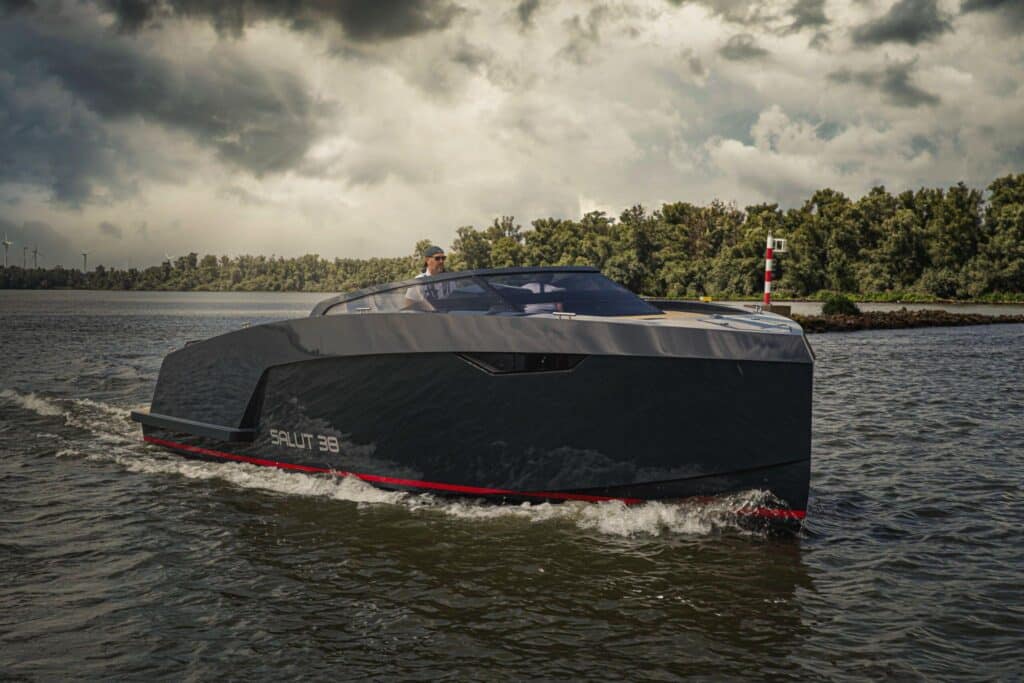
Following the event, Pollentia shifted immediately into execution mode. In Q1 2026, the company began its first customer deployments, working with early partners including Brizo Yachts and Salut Boats to integrate Pollentia’s core intelligence platform across their vessels. These initial implementations are centered on improving onboard safety, reducing maintenance complexity, and limiting human error while making vessel systems more intuitive to operate on a daily basis.
Rather than responding to faults after they occur, the system is structured to identify anomalies before they escalate. Instead of fragmented sensor outputs and isolated subsystems, all data is unified into a coherent operational view. This architecture reduces downtime, lowers lifecycle costs, and improves the end-user experience for both owners and operators. As deployments go live, vessels begin to function less as standalone mechanical units and more as continuously connected systems capable of learning and improving through usage.
Pollentia Had a Transformative Year in AI Marine Intelligence in 2025
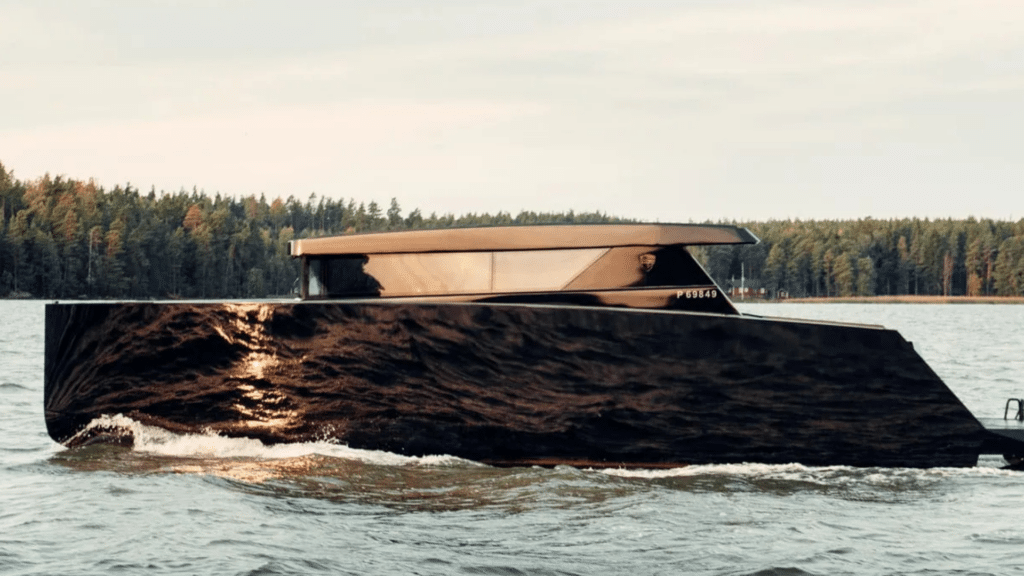
Throughout 2025, Pollentia underwent a significant strategic transformation. The company evolved from its origins in electric vessel development into a focused AI marine intelligence platform. Founded by U.S. Navy veteran Tyler Temple (CEO) and Alexis Emperador (CTO), the organization repositioned itself around the reality that modern vessels are increasingly defined by complex, interconnected electronic and propulsion systems that require coordination at the software layer rather than in isolated hardware components.
Institutional Validation and Strategic Alignment
Pollentia’s repositioning gained external validation through acceptance into the NVIDIA Inception program, providing access to advanced AI tooling, compute infrastructure, and a global network of applied AI innovators.
The company also joined Columbia University ClimateTech Expertise Network, engaging researchers and policymakers focused on sustainability and resilient infrastructure. These collaborations reinforced how intelligence-driven systems can extend vessel lifecycles, optimize energy use, and reduce emissions without constant hardware turnover.
Operationally, Pollentia established a presence at Station DC, embedding within Washington’s policy and defense-adjacent ecosystem. This proximity strengthened engagement with federal stakeholders and informed system design around real-world deployment, regulatory alignment, and critical infrastructure resilience.
Building an Open Global Network
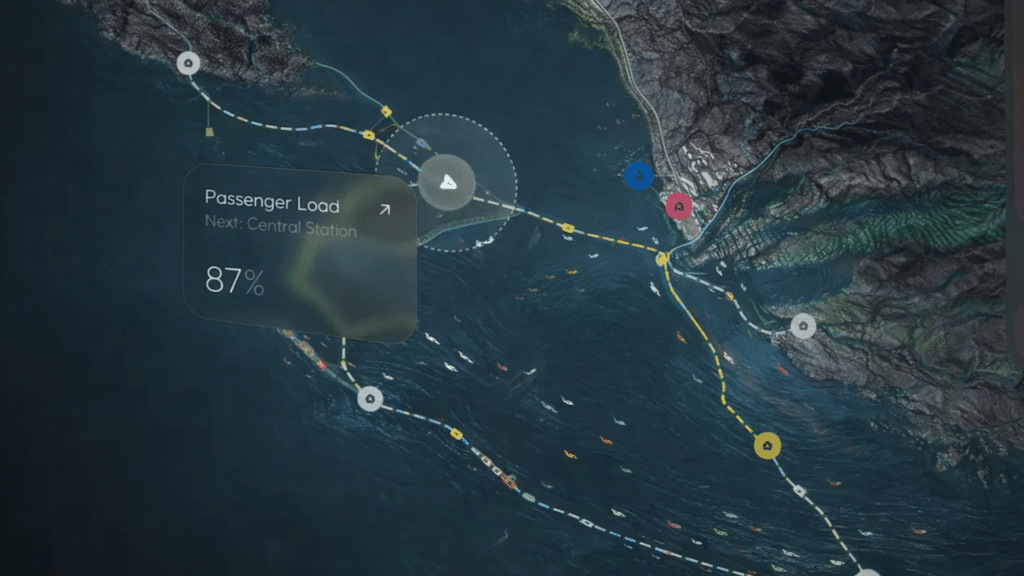
A central pillar of 2025 was expansion of Pollentia’s Global Network, an interoperable ecosystem of manufacturers, operators, dealers, and research institutions supporting deployment and long-term system evolution. Rather than creating a closed proprietary stack, Pollentia emphasizes integration across new builds and retrofits, reducing fragmentation and enabling coordinated system intelligence across fleets.
Pollentia HQ Moved to Palo Alto, California
The company also relocated its headquarters from Dallas, Texas to Palo Alto, signaling a deeper shift toward a technology-centered operating model and closer proximity to advanced engineering ecosystems. While Palo Alto serves as its core base, Pollentia continues to operate across multiple U.S. and international regions.
Pollentia Accepted into the Draper University 2026 Cohort
As 2026 began, Pollentia was accepted into the Draper University 2026 cohort, further reinforcing its positioning at the intersection of AI, mobility, and maritime systems. With early deployments now active, the company’s focus has moved fully into field execution—working directly with real vessels in real operating conditions to validate performance, refine the platform, and expand adoption across the marine sector.

Electric Vehicle Marketing Consultant, Writer and Editor. Publisher EVinfo.net.
Services