Washington State is Investing $37.3 Million to Expand Electric Vehicle Charging Infrastructure
Washington State is committing $37.3 million toward expanding electric vehicle charging infrastructure, targeting rural regions, tribal communities, multifamily housing developments, and other areas that have seen limited private-sector investment.
The Washington State Department of Commerce has awarded funding to 43 organizations across 104 projects that will collectively install 754 new EV charging ports by the end of 2027. The investments are being made through the Washington Electric Vehicle Charging Program (WAEVCP).
The funded projects will deploy 550 Level 2 chargers and 204 DC fast chargers. Once operational, the charging network is expected to provide roughly 20 million kilowatt-hours of electricity annually—enough energy to support approximately 5,000 electric vehicles each year while cutting greenhouse gas emissions by more than 20,000 metric tons.
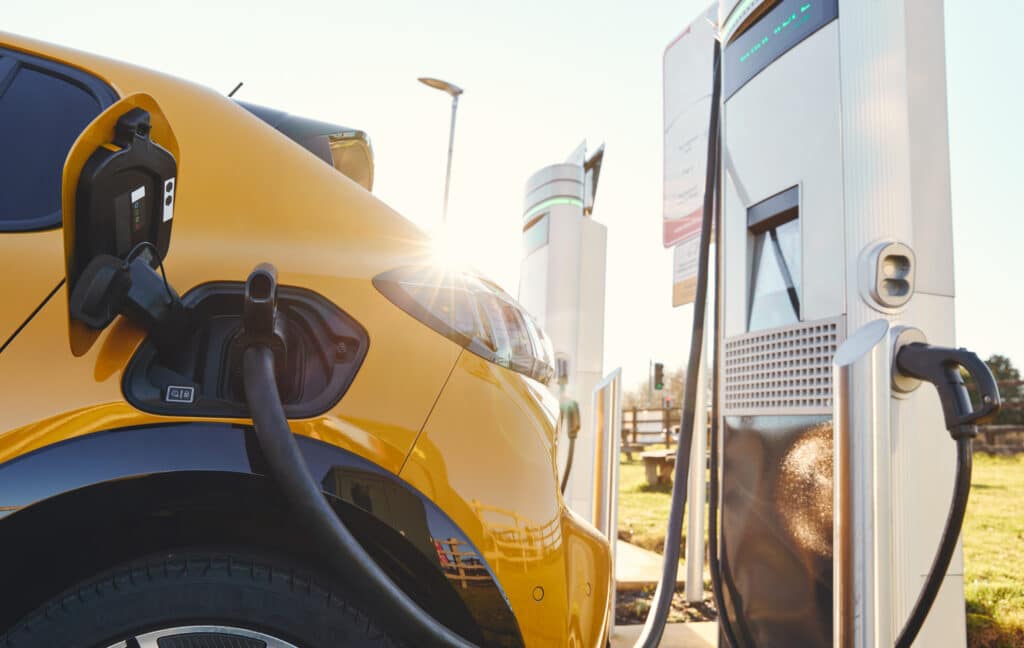
Backed by revenue from Washington’s Climate Commitment Act, the program is intended to address charging gaps that market-driven investments have not filled. Funding supports charging installations at apartment complexes, workplaces, fleet operations, and publicly accessible locations, helping make EV ownership more accessible and convenient across the state.
According to state estimates, drivers using the new charging infrastructure could save more than $1,000 annually compared with operating a gasoline-powered vehicle. Research from the Electric Power Research Institute found that Washington EV owners save an average of 73% per mile on fuel costs—the highest rate of savings in the United States. Unlike gasoline prices, which can fluctuate significantly, electricity rates tend to be more predictable and affordable.
Equity remains a central focus of the program. Approximately 74% of the funding, or nearly $28 million, is directed toward overburdened communities, while about 20%, or $7.6 million, is dedicated to tribal communities. Both allocations exceed the minimum investment requirements established under the Climate Commitment Act.
Several projects will also incorporate innovative technologies designed to improve charging reliability in areas with limited electrical capacity. These solutions include battery energy storage systems, renewable energy integration, and microgrid technologies that can help maintain charging access during power outages and extreme weather events.
This marks the second round of awards under the Washington Electric Vehicle Charging Program. Since its launch in 2022, the state has invested approximately $135 million across 618 projects supporting more than 5,500 charging ports statewide. More than 2,000 charging ports funded during the first round are already in service.
Funding for the program comes from Washington’s Climate Commitment Account, which uses cap-and-invest revenues to support emissions reductions, economic development, and public health initiatives throughout the state.

Electric Vehicle Marketing Consultant, Writer and Editor. Publisher EVinfo.net.
Services