SAE Publishes New EV Battery Traceability Standard J3327
On September 8, 2025, SAE International released its new standard, Electric Vehicle (EV) Battery Traceability Record J3327_202509, marking an important milestone in building transparency across the EV supply chain. The standard establishes a consistent, globally recognized framework for tracking battery data, creating the foundation for an audit trail and independent verification at every stage of production, use, and end-of-life.
As the International Energy Agency (IEA) has emphasized, traceability systems enable collection of data on product origin, geographic path, ownership, and physical evolution. SAE’s new guidance brings that principle into EV batteries, where demand for critical minerals is soaring and policymakers, automakers, and consumers alike are seeking assurance that materials are sourced responsibly.
The initial scope of J3327 focuses on core objectives: ensuring reliable data collection, supporting verification across the supply chain, and providing the baseline needed for reuse and recycling. However, the committee behind the standard is already looking ahead. Future revisions are expected to expand into supply chain modeling, critical mineral information verification, and extended producer responsibility, areas that will be essential for both compliance and sustainability.
For automakers, suppliers, and recyclers, J3327 offers more than a compliance tool; it sets the stage for better lifecycle management. A transparent record of each battery’s journey not only supports environmental accountability but also opens pathways for second-life applications and more efficient recycling.
As the EV industry accelerates, standards like J3327 will help ensure that the clean energy transition is built on integrity and trust, giving stakeholders confidence in where materials come from, how they’re managed, and how they can be reused for a more sustainable future.
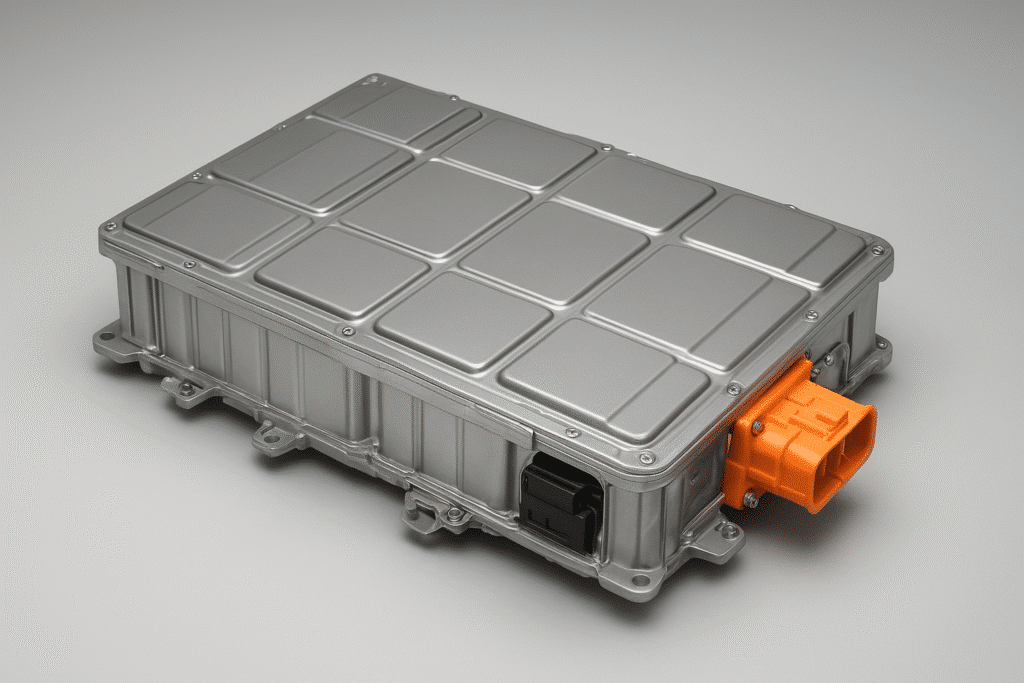
Repurposing EV Batteries for Second-Life Stationary Storage
As electric vehicles become central to the clean energy transition, repurposing used EV batteries for stationary storage is emerging as a major opportunity to reduce costs, extend battery lifespans, and strengthen grid resilience. While EV batteries lose efficiency for driving after several years, many still retain about 80% of their capacity, making them suitable for backup power, renewable energy storage, and grid support.
Yet in the U.S., second-life applications remain rare due to the absence of national standards, regulatory clarity, and accessible data on battery health. A policy brief from the American Council for an Energy-Efficient Economy (ACEEE), developed with GAIA, calls for solutions including automaker data sharing, “battery passports,” updated safety certifications, extended producer responsibility, and design standards for easier disassembly. Pioneering efforts, such as Redwood Materials and Crusoe’s large-scale solar-plus-second-life battery microgrid powering AI data centers, show what’s possible, but scaling will require coordinated policy action.
With the right frameworks, second-life batteries could anchor a circular economy, delivering environmental justice, cost savings, and cleaner, more reliable energy across the U.S.
SAE International’s new standard, Electric Vehicle (EV) Battery Traceability Record J3327_202509, is a step in the right direction toward using EV batteries for second-life purposes, and streamlining the recycling process, which both aid the important circular economy, benefitting the environment.