US EV Sales Surge 29.6% Year Over Year in Q3, Pushing Market Share to a Record 10.5%
On October 10, 2025, Cox Automotive released its Q3 2025 EV Sales Report for the United States. As anticipated, electric vehicle (EV) sales in the United States reached an all-time high in the third quarter of 2025, with 438,487 units sold according to Kelley Blue Book estimates. EV sales surged 40.7 percent compared to the previous quarter and were up 29.6 percent year over year. The new record surpassed the previous peak set in the fourth quarter of 2024 by nearly 20 percent. Electric vehicles represented 10.5 percent of total vehicle sales during the quarter, a significant jump from 8.6 percent in the same period last year, setting new highs for both volume and market share.
Despite the strong overall performance, growth was not universal across automakers. Mercedes-Benz EV sales were essentially flat year over year, while Toyota and Nissan both reported declines compared to Q3 2024. In contrast, Volkswagen, General Motors, Honda, and Hyundai achieved substantial gains. VW and GM more than doubled their EV sales from the year before, and even Tesla managed an 8 percent increase, marking its first positive quarter of 2025 after earlier declines. Analysts suggest that the approaching expiration of key incentives motivated both buyers and dealers to act quickly, driving record-breaking numbers.record-breaking numbers.
Tesla’s share of total EV sales dropped to 41 percent from 49 percent a year earlier. The company faces mounting pressure as competition intensifies and nearly every major automaker expands its electric lineup. While Tesla’s recent price cuts may help sustain volume, its limited core lineup of two main models, supplemented by three niche vehicles, poses challenges in an increasingly diverse market.
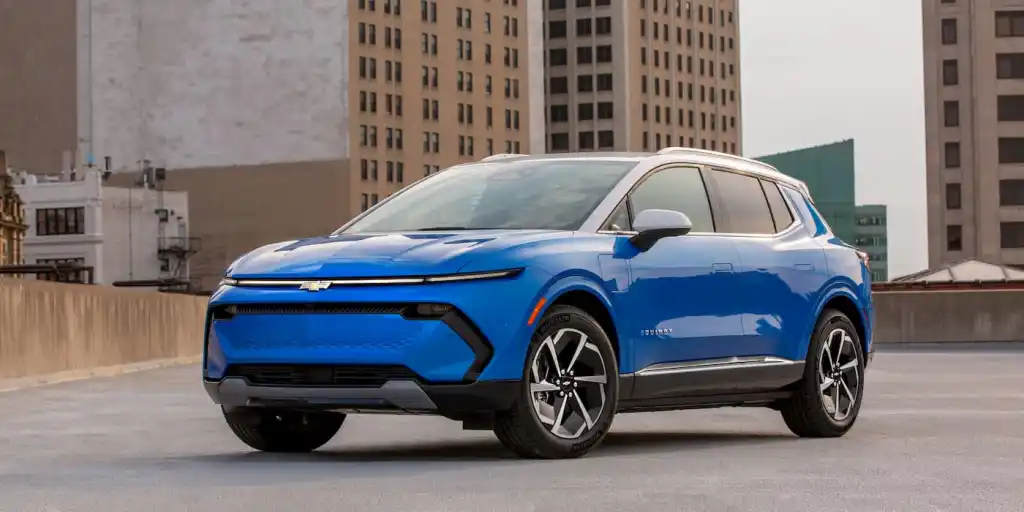
Nearly 90 EV models registered sales in Q3, yet only nine surpassed 10,000 units. The Tesla Model Y and Model 3 remained dominant, selling over 114,000 and 53,000 units respectively. The new Chevy Equinox EV secured the third spot with close to 25,000 sales. However, the vast majority of EV models continue to post modest figures, typically below 2,000 units per month. This low volume underscores a persistent issue: profitability remains elusive for most manufacturers despite growing demand.
The recent elimination of government-backed EV incentives marks a major turning point. The record-setting results of Q3 were largely expected given the incentive deadline, but what happens next is less predictable. “The training wheels are coming off,” said Cox Automotive’s Director of Industry Insights, Stephanie Valdez Streaty. “The federal tax credit was a key catalyst for EV adoption, and its expiration marks a pivotal moment. This shift will test whether the electric vehicle market can now stand on its own or still needs support to continue expanding.”
Cox Automotive expects EV sales to decline notably in Q4 and into early 2026 as the market adjusts to the new landscape. Although many automakers have scaled back future product launches, the long-term outlook remains positive. Over the next decade, vehicles powered solely by internal combustion engines are projected to keep losing market share as electrified vehicles, including hybrids, plug-in hybrids, and full EVs, continue to rise. Valdez Streaty notes, “Growth moving forward will be slower than many advocates hoped, but continued innovation in battery technology, improved transparency in battery health, and expanding infrastructure offer reasons for optimism. The road ahead will be challenging, but progress will continue.”