Public EV Chargers Tested in MD, to Ensure They Are Delivering the Correct Amount of Power
A controversy erupted recently on the State of Maryland’s high $150 per-port EV charging inspection fee, announced last year. EVinfo.net was one of many companies pushing back on the high fees, which we believed would reduce EV adoption in the state. The pushback resulted in the state lowering the fee to $75.
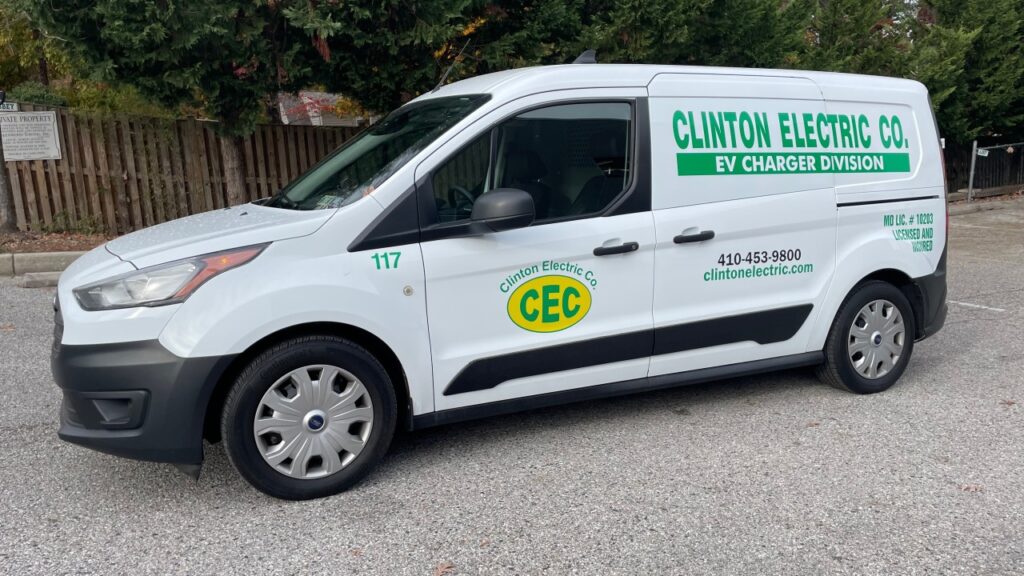
On April 29, 2026, Clinton Electric EV Charging released “Changing Registration Requirements for EV chargers,” detailing how new state EVSE regulations have led the company to offer additional services, including testing, to property owners to get their chargers into compliance in the state of Maryland.
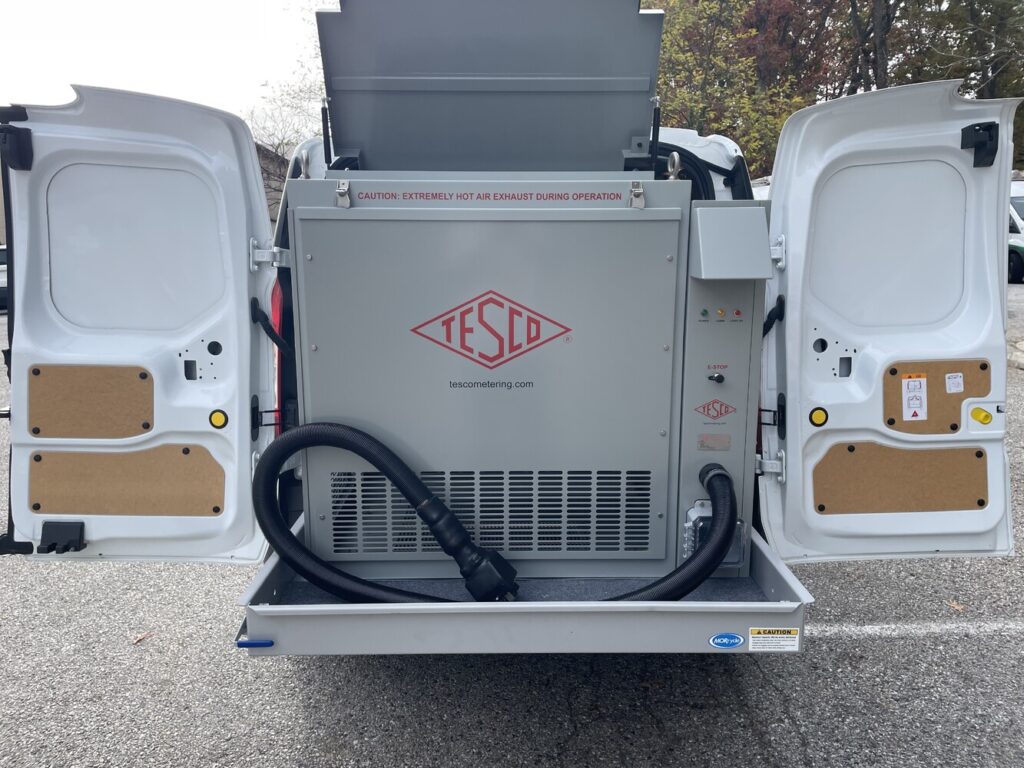
Martin Nibali, Marketing Manager at Clinton Electric Co, said: “The MD Ag department added EVSE to their weights and measures testing division. After some delay it’s going into effect July 1. We registered as an agent with the agency so when and if a charger tests as non-compliant or non-functional, we will be able to fix it, but also test and re-certify the charger for the Department.”
Nibali continued: “The registration and testing process mirrors similar programs in California. We talked to contractors there who gave us guidance on how to help public charger owners with compliance, and purchased the equipment necessary to do the testing.”
In Maryland, oversight of EV charging now falls under the Department of Agriculture’s Weights and Measures division, which already regulates devices such as fuel pumps and retail scales. Legislation passed in 2025 extends that authority to public-facing EV chargers. While the rule was initially set to take effect on January 1, 2026, implementation of the registration requirement has been delayed until July 1. A $75 per-port registration fee will support inspection programs similar to those used for gasoline and retail measurement systems, placing EV supply equipment under a standardized compliance framework.
The policy shift comes amid broader efforts to expand EV adoption and reduce emissions. However, infrastructure limitations remain a central challenge, particularly along major travel corridors. Charging availability continues to be a key concern across stakeholders, especially as some federal funding programs have been scaled back. Maryland’s participation in the NEVI program has already advanced dozens of projects, with a focus on underserved regions such as Western Maryland and the Eastern Shore.
Under the new rules, all public chargers must meet performance standards. Noncompliant or malfunctioning units may be removed from service until repaired, tested, and certified. This has raised concerns among some industry participants who view the requirements as an additional barrier to deployment.
Registration applies to chargers used in commercial transactions, including public Level 2 and DC fast chargers, utility-operated equipment, multi-fleet systems, and workplace chargers open to the public. Private residential units, fleet-only chargers, and restricted-access installations in multifamily properties are generally exempt, provided they are not publicly accessible or listed on charging networks.
All qualifying chargers must be registered by July 1, 2026, with separate filings required for each location. Fees are assessed per port, and operators must comply with national standards outlined in NIST Handbook 44. These include accuracy tolerances, transparent pricing in kilowatt-hours, and clear disclosure of any additional fees.
The program also establishes inspection protocols and enforcement tiers, ranging from minor deficiencies to full stop-use orders. Operators are responsible for correcting violations within specified timelines to maintain compliance.
Overall, Maryland’s framework is intended to ensure accuracy, transparency, and reliability in the growing EV charging market while aligning it with established measurement standards.
Clinton Electric Company has spent more than a decade installing, maintaining, repairing, and upgrading EV charging systems across Maryland and nationwide. Its dedicated EV division works closely with major manufacturers to source components, stay current on evolving technologies, and keep charging infrastructure operational.

Electric Vehicle Marketing Consultant, Writer and Editor. Publisher EVinfo.net.
Services