Slate Auto, it’s electric Partner on May 30 Los Angeles Event
As electric vehicles become more mainstream, two innovative companies are teaming up to show how the future of transportation can become more practical, affordable, and community-focused. On Saturday, May 30, from 10:00 AM to 2:00 PM PST, at 629 S Harvard Blvd in Los Angeles California, it’s electric and Slate Auto will host a private event highlighting their shared mission of removing barriers to EV adoption.
The event brings together two startups approaching electrification from different angles, but with the same goal: making EV ownership easier for everyday drivers. Guests will have the opportunity to see the new Slate Truck in person, learn more about its customizable design and capabilities, and hear updates directly from the company about the product’s development and vision.
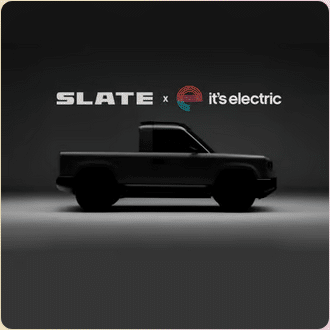
Slate Auto has been generating attention for its approach to electric trucks by focusing on versatility and personalization. Instead of creating another oversized luxury EV, the company is aiming to develop a practical electric truck designed for a broader audience. The vehicle is intended to be adaptable for urban drivers, small business owners, outdoor enthusiasts, and families looking for an affordable EV option that fits multiple lifestyles. In a market where many EV trucks have become increasingly expensive and oversized, Slate Auto is attempting to reintroduce simplicity and flexibility into the segment.
At the same time, it’s electric is tackling one of the biggest challenges facing EV adoption in dense urban environments: charging access. Millions of city residents do not have garages or driveways where they can install home chargers. That issue has created a significant gap in EV accessibility, particularly in neighborhoods dominated by apartment buildings and street parking.
Rather than relying solely on large public charging stations, it’s electric is pioneering curbside charging solutions designed specifically for urban blocks. Their technology integrates charging directly into city streets and existing infrastructure, allowing drivers to conveniently charge near where they live. The company’s approach could play an important role in expanding EV adoption in cities like Los Angeles, New York, and Chicago, where access to home charging remains limited for many residents.
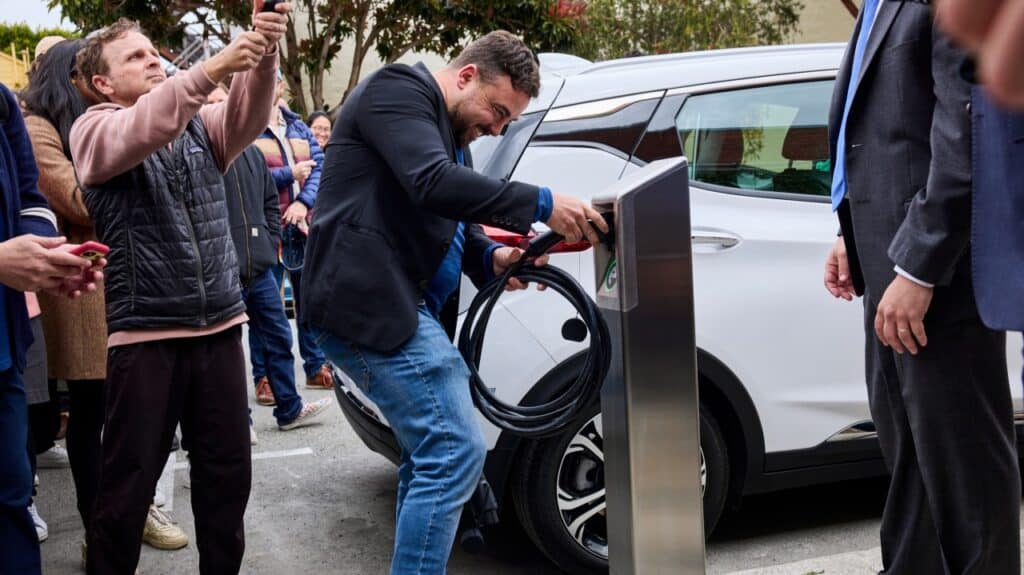
The collaboration between the two companies highlights an important shift happening across the EV industry. The next phase of electric transportation is not just about producing new vehicles. It is also about building the ecosystem that supports daily EV ownership. Affordable vehicles and accessible charging must evolve together if the industry wants to reach mainstream consumers.
Events like this also help local communities engage directly with emerging technologies in a relaxed and approachable environment. Attendees can ask questions, explore the truck up close, and learn how neighborhood charging infrastructure could improve convenience for residents. The event will also feature giveaways and free ice cream, creating a casual atmosphere designed to encourage conversation around cleaner transportation options.

As wartime gasoline prices continue skyrocketing and interest in EVs grows nationwide, infrastructure accessibility has become one of the defining conversations shaping the future of transportation. Companies like Slate Auto and it’s electric are attempting to address practical concerns that many consumers still have about affordability, charging convenience, and urban usability.
The Los Angeles event offers an early look at how startups are trying to solve those challenges together rather than independently. By combining vehicle innovation with neighborhood-focused charging solutions, the collaboration presents a vision of electrification that feels more integrated into everyday life.
Those interested in attending can request to join the private event and experience firsthand how these companies are working to make electric transportation more accessible at the community level.