Waymo Prepares to Launch First Public Rides in the New Ojai Autonomous Electric Vehicle
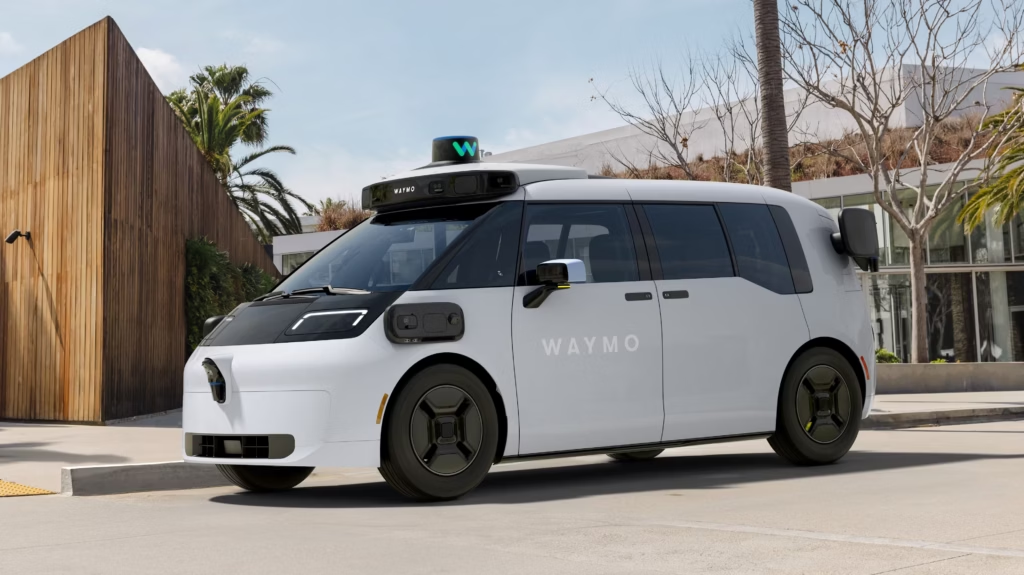
Waymo is preparing to welcome its first public riders into the all-new Ojai, a purpose-built autonomous vehicle designed specifically for ride-hailing. The company announced that select riders will begin experiencing the next-generation vehicle in the coming weeks after months of testing with Waymo employees.
Named after the California city known for its peaceful atmosphere, the Ojai was designed to feel more like a mobile lounge than a traditional vehicle. Passengers enter through large, elevator-style doors into a spacious cabin featuring a completely flat floor and low step-in height for easier access. Inside, three large LED displays allow riders to personalize their experience, including climate controls, entertainment options, and other ride settings.
Waymo says the Ojai was developed with a rider-first approach, incorporating features intended to improve comfort, convenience, and accessibility. The vehicle includes integrated charging solutions, intuitive user interfaces, embedded braille, screen-reader compatibility, and seat-mounted support handles to assist passengers when entering or exiting the vehicle.
While the Ojai introduces a completely new vehicle design, it is powered by Waymo’s sixth-generation autonomous driving system. The company’s Waymo Driver technology has already completed more than 20 million fully autonomous rides across more than 11 cities. The new platform is designed to operate in a wider range of weather conditions, including snow, while helping support Waymo’s growing national expansion.
The new sixth generation hardware stack reduces the sensor count by 42% compared to the 5th-gen system. Sensors were cut from 29 cameras to 13, lidars were reduced from five to four, and fewer radar units were used, while delivering more capability. The hardware cost target is an impressive savings, well under $20,000 per unit, a threshold that puts the company within reach of sustainable per-ride unit economics at scale.
Production of Waymo-enabled vehicles is ramping up at the company’s manufacturing facility in Mesa, Arizona, with plans to scale to tens of thousands of units annually.
The initial rollout will allow select riders in San Francisco, Phoenix, and Los Angeles to take complimentary rides in the Ojai as Waymo gathers feedback on the new passenger experience. The company plans to gradually expand access over the coming months and introduce the vehicle in additional markets, including Denver, Las Vegas, and San Diego, before a broader public launch later this year.
Waymo is encouraging interested riders to download the Waymo app and sign up for its Trusted Tester program for an opportunity to experience the Ojai before it becomes widely available.
Waymo Expands Autonomous Fleet with New Rider-Focused Electric Vehicle from China’s Geely
Waymo announced a new partnership with Chinese automaker Geely in late 2021 to develop a purpose-built electric vehicle designed specifically for autonomous ride-hailing services, now called the Ojai. The collaboration marked another step in Waymo’s effort to expand its fully autonomous transportation network while increasing the use of electric vehicles within its Waymo One ride-hailing fleet.
Under the agreement, Waymo integrated its self-driving technology into a customized version of Geely’s all-electric Zeekr vehicle. Designed in Sweden and optimized for mobility services, the vehicle was created with passenger comfort and convenience as top priorities.
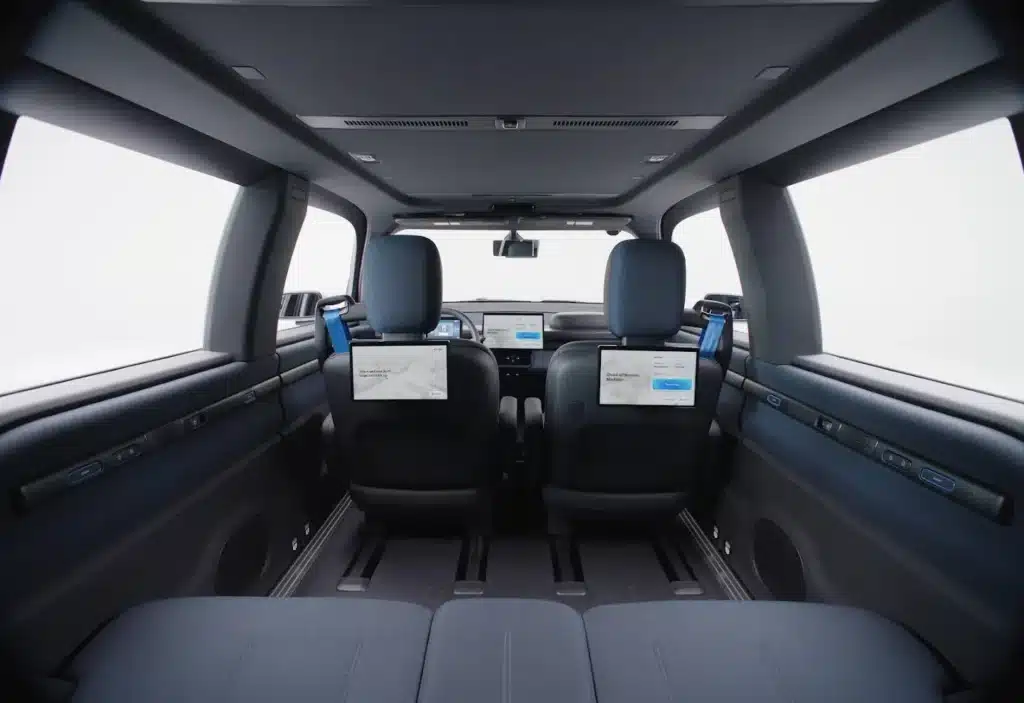
The purpose-built autonomous vehicle features a spacious interior with a flat floor for easier access, a low step-in height, and a pillarless door design that improves entry and exit. Passengers benefit from generous headroom and legroom, along with adjustable seating intended to create a more comfortable ride experience. The current Ojai features a setup allowing human driving, but future versions were planned to operate without a traditional steering wheel or pedals, creating additional cabin space while offering features such as reclining seats, integrated screens, charging ports, and configurable seating arrangements.
The partnership represented an important milestone in Waymo’s strategy to electrify its ride-hailing operations and expand access to sustainable transportation.

Electric Vehicle Marketing Consultant, Writer and Editor. Publisher EVinfo.net.
Services