States Still Have Access to About $4 Billion in NEVI Funds for EV Charging
In July 2026, Atlas Public Policy published a new fact sheet, titled Fact Sheet: Out of Juice? What’s Next For NEVI. Most notably, the fact sheet said states still have access to approximately $4 billion in NEVI funds for new electric vehicle (EV) charging installations, with around $739 million already awarded.
The National Electric Vehicle Infrastructure (NEVI) program, created through the Infrastructure Investment and Jobs Act (IIJA) in November 2021, remains one of the largest federal efforts to expand electric vehicle (EV) charging infrastructure across the United States. The five-year, $5 billion program was designed to help states build reliable fast-charging networks along major travel corridors, improve access for EV drivers, encourage private investment, and reduce transportation emissions.
When NEVI launched, many state Departments of Transportation (DOTs) had limited experience managing EV charging programs. States quickly developed new processes, submitted infrastructure plans, and began awarding contracts for charging projects. By early 2025, more than $526 million had been obligated, supporting nearly 4,000 direct current fast charging (DCFC) ports at approximately 990 locations.
The program later faced significant uncertainty. In February 2025, the Federal Highway Administration (FHWA) suspended NEVI activities, creating concerns about future deployments. In January 2026, Congress rescinded more than $503 million in NEVI funding across 30 states and territories, reducing the amount of federal funding available for future charging projects.
Despite those setbacks, NEVI continues moving forward. Updated FHWA guidance issued in August 2025 allowed states to submit final fiscal year 2026 plans and access remaining funding. By May 2026, 42 states and territories had received approval for their final plans, and 12 states had been designated as “fully built out” along their federally designated charging corridors.
States receiving fully built-out status gain more flexibility in using remaining NEVI funds. While earlier guidance required fast chargers to be placed every 50 miles along designated Alternative Fuel Corridors and within one mile of those routes, updated rules allow states greater flexibility to support additional charging needs, including community Level 2 charging and medium- and heavy-duty vehicle charging.
The 2026 funding rescission reduced NEVI allocations in 30 states and territories by nearly $504 million. The cuts are expected to eliminate approximately 3,700 planned fast-charging ports. Texas, Florida, Missouri, and Virginia experienced some of the largest funding reductions, potentially affecting hundreds of future charging installations.
Some states that had already issued funding opportunities or awarded contracts now face difficult decisions about whether to replace lost federal dollars with state funding or other programs. Nevada, which lost more than 33% of its NEVI allocation, faces particular challenges in completing planned corridor charging projects.
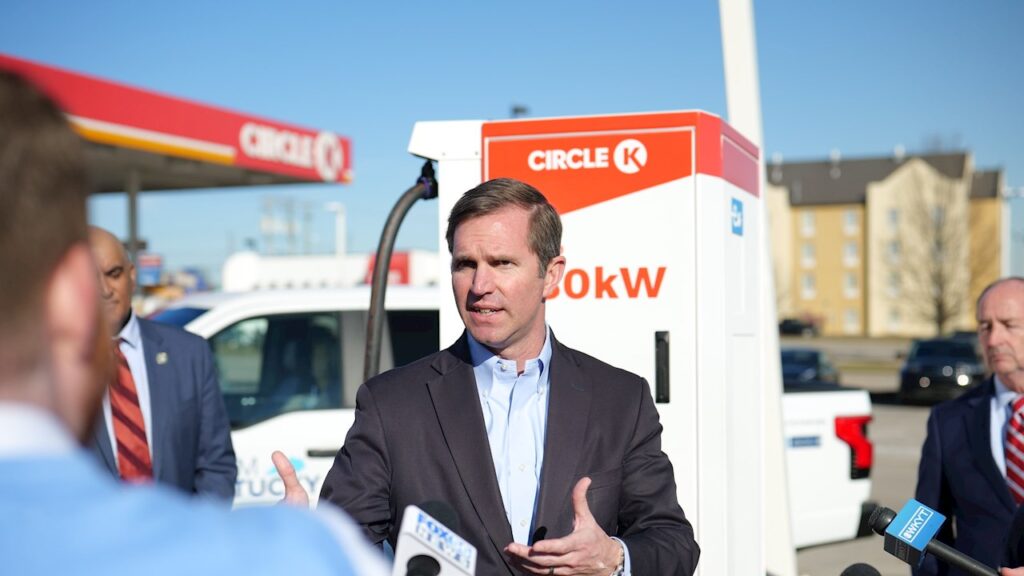
However, significant funding remains available. States still have access to approximately $4 billion in NEVI funds, with around $739 million already awarded. The program has also encouraged major private-sector investment, with analysis showing that private companies announced roughly $2 in investment for every $1 of public funding.
Based on current projections, NEVI could support up to 22,200 fast-charging ports or 347,000 combined Level 2 and fast-charging ports nationwide. These installations could provide enough charging capacity to support approximately 3.7 million EVs.
Challenges remain, including potential changes to domestic manufacturing requirements, future funding uncertainty, and continued permitting and construction hurdles. However, private companies such as Tesla, EVgo, and IONNA continue investing heavily in charging infrastructure. Together with public programs like NEVI, these investments are helping build the nationwide charging network needed to support continued EV adoption.
Despite political and funding challenges, NEVI remains a critical part of America’s transition toward electric transportation.
EVinfo.net’s Take: Why Government Funding of EV Charging Infrastructure Is a Smart Investment
Government support for EV charging infrastructure is one of the smartest transportation investments the United States can make. Electric vehicles deliver benefits that extend far beyond the drivers who own them. They reduce air pollution, lower transportation costs, strengthen energy security, and help address the growing challenge of human-caused climate change.
One of the biggest barriers to EV adoption is access to charging. Just as governments helped build roads, bridges, airports, and utility networks, public investment in charging infrastructure helps create the foundation needed for a modern transportation system. When charging stations become more widely available, more drivers can confidently switch to electric vehicles.
The financial benefits are significant. Electric vehicles typically cost less to fuel and maintain than gasoline-powered vehicles. Drivers can save money on fuel, oil changes, and many routine maintenance expenses. As more Americans transition to EVs, those savings can add up to billions of dollars that remain in local economies instead of being spent on imported oil and fuel.
EVs also improve public health by reducing harmful tailpipe emissions that contribute to smog and respiratory illnesses. Cleaner air means healthier communities, fewer pollution-related health problems, and lower healthcare costs. These benefits are especially important in urban areas and communities located near busy transportation corridors.
A new report says vehicle exhaust pollution currently contributes to one death somewhere in the world every 45 seconds. The American Lung Association is working to make transportation pollution-free across the country, by supporting EV adoption.
Supporting EV adoption is also an important climate strategy. Transportation remains one of the largest sources of greenhouse gas emissions in the United States. Replacing gasoline and diesel vehicles with electric alternatives helps reduce carbon pollution, particularly as more renewable energy sources such as solar and wind power are added to the electric grid.
Energy security is another major advantage. Oil markets are subject to global conflicts, supply disruptions, and price volatility. Electricity can be generated from a diverse mix of domestic resources, including solar, wind, hydroelectric, and geothermal. When EVs are paired with renewable energy and battery storage, homes, businesses, cities, and entire states become less dependent on volatile global oil markets. Sunlight can’t be blocked at the Strait of Hormuz, or anywhere else in the world.
Critics often focus on the cost of government funding, but the long-term benefits far outweigh the investment. Public charging infrastructure accelerates the transition to cleaner transportation, reduces pollution, strengthens economic resilience, and supports American energy independence. Rather than continuing to subsidize a fuel system that sends money to foreign governments, contributes to environmental damage, public health risks, and climate change, investing in EV charging helps build a cleaner, healthier, and more secure future for generations to come, while creating jobs and economic growth.

Electric Vehicle Marketing Consultant, Writer and Editor. Publisher EVinfo.net.
Services