CPUC Approves Incentives up to $20,300 to Accelerate CA Rideshare Driver EV Adoption
On July 2, 2026, the California Public Utilities Commission (CPUC) announced it has approved a new incentive program designed to help rideshare drivers transition to electric vehicles while reducing transportation-related emissions across the state.
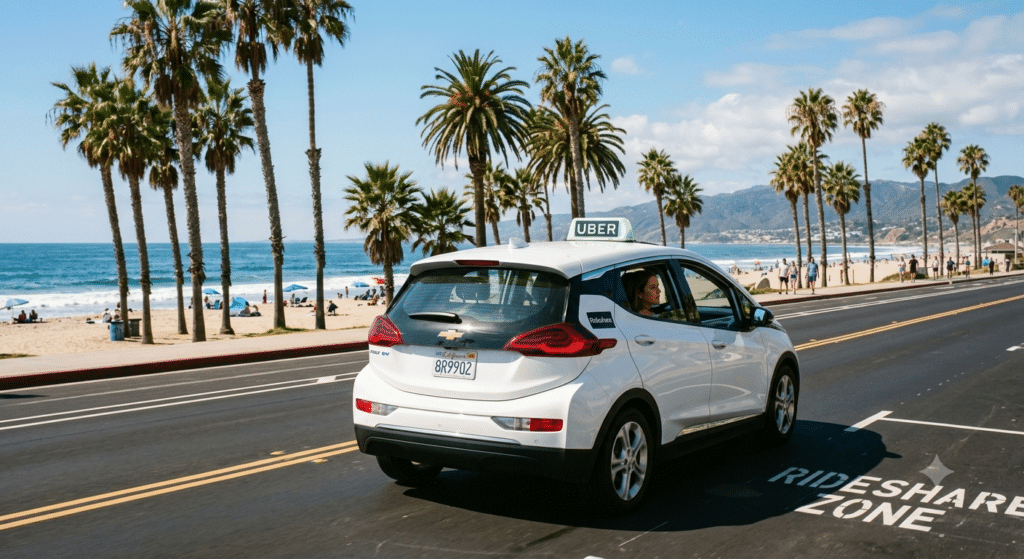
Approved on July 2, the Drivers Assistance Program, also known as Rideshare Incentives for Driving Electric (RIDE), is part of California’s Clean Miles Standard program. The initiative targets low- and moderate-income drivers who complete a high volume of trips for transportation network companies such as HopSkipDrive, Lyft, and Uber.
Eligible drivers will be able to receive up to $20,300 toward the purchase or lease of a new zero-emission vehicle (ZEV), up to $14,200 for a used ZEV, and as much as $1,170 annually to help cover EV charging costs.
“California’s transition to cleaner transportation depends on making electric vehicles more accessible for the people who spend the most time on our roads,” said CPUC President John Reynolds. “These incentives will help reduce the cost of switching to zero-emission vehicles for rideshare drivers that perform the highest volume of rides, thereby reducing pollution and helping California meet its climate goals.”
The program will be administered by the Center for Sustainable Energy, which will manage applications, distribute incentive payments, conduct outreach and education, and provide ongoing support. Drivers will be able to apply through an online portal and receive assistance throughout the application process.
In addition to financial incentives, the program will offer multilingual educational materials, one-on-one customer support, online tools for comparing vehicle costs and available incentives, and partnerships with community organizations to connect eligible drivers with EV resources across California.
The Clean Miles Standard program was created to reduce greenhouse gas emissions from transportation network companies by increasing the number of zero-emission vehicles operating on rideshare platforms. Funding for the Drivers Assistance Program comes from a Clean Miles Standard regulatory fee paid by transportation network companies.
Commissioner Christine Harada said the program will soon begin helping eligible rideshare drivers purchase electric vehicles, calling it “an exciting opportunity for drivers to participate in California’s clean energy transition.”
The CPUC’s approval establishes the program’s initial incentive levels and authorizes the Center for Sustainable Energy to begin administering the program. The RIDE program is expected to launch during the third quarter of 2026.
EVinfo.net’s Take: California’s New EV Incentives Show Why States Are Leading the Way, Making up for Federal Mistakes
California has once again demonstrated that strong state leadership can help offset poor federal policy.
The timing could not be better. Rideshare drivers were among those hit hardest by the spike in gasoline prices following the unnecessary and bungled Iran war. Unlike the average commuter, many rideshare drivers spend long hours on the road every day. Every jump in fuel prices directly cuts into their income. Switching to an electric vehicle can dramatically reduce fuel and maintenance costs, allowing drivers to keep more of what they earn while providing cleaner transportation for passengers.
Unfortunately, recent federal transportation and energy policies have foolishly moved in a completely wrong direction.
The elimination of the federal EV tax credit removed one of the country’s most effective tools for making electric vehicles affordable. The incentive helped thousands of middle-income Americans purchase an EV sooner, increasing production volumes and encouraging continued investment in battery technology. Removing that support slows adoption just as EV prices continue to fall.
At the same time, efforts to weaken federal vehicle emissions standards are increasing air pollution. Decades of scientific research have linked vehicle emissions to asthma, heart disease, lung disease, and premature death. Cleaner vehicles benefit everyone, especially children, older adults, and communities located near busy highways.
The rollback of the Environmental Protection Agency’s 2009 endangerment finding is equally concerning. That scientific determination provides the legal basis for regulating greenhouse gas emissions under the Clean Air Act. Weakening it makes future climate protections much more difficult to implement.
In the face of these blatent failures, proof of the health benefits of transportation electrification continue to grow stronger. A recent study by the International Council on Clean Transportation concluded that a faster global transition to electric vehicles could prevent 8.8 million premature deaths by 2050.
Beyond environmental and health benefits, EVs strengthen America’s economy and energy security. The Iran conflict served as another reminder that global oil markets remain vulnerable to geopolitical instability. Every driver who replaces gasoline with electricity becomes less exposed to sudden fuel price spikes.
Money spent charging an EV remains within the domestic economy, supporting local utilities, renewable energy projects, infrastructure investments, and American jobs instead of imported petroleum from foreign governments such as Saudi Arabia. Human rights in Saudi Arabia are heavily restricted under an absolute monarchy that outlaws political opposition, strictly curtails freedom of expression, and relies on extensive surveillance.
California continues to prove that smart public policy can deliver cleaner air, lower operating costs, and long-term economic benefits at the same time. Programs like RIDE help the people who need savings the most while accelerating the transition to cleaner transportation.
EVinfo.net is proud to call California home and hopes more states adopt similar policies that make electric vehicles more accessible, improve public health, and help drivers keep more money in their pockets.

Electric Vehicle Marketing Consultant, Writer and Editor. Publisher EVinfo.net.
Services