Energize Coalition Launches New Website, Accelerating EV Charging Access Where People Live
The Energize Coalition believes electric vehicle infrastructure should be available everywhere because the benefits extend far beyond EV drivers. Expanding charging access can lower transportation costs, strengthen local economies, improve public health, and support a more resilient electric grid. By increasing the availability of charging stations where people live, work, and travel, more Americans gain the option to switch to electric vehicles while communities benefit from new investment and modernized infrastructure.
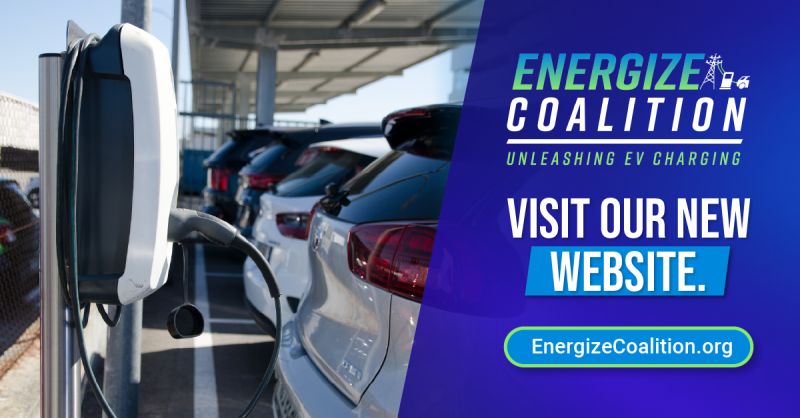
On July 29, 2026, Nathan Willcox, Campaign Manager for the Energize Coalition, announced that the organization has released its new website.
“Today the Energize Coalition is launching our new website, showcasing the coalition’s critical work to unleash EV charging across the U.S., so that American drivers and businesses have easy access to reliable, affordable charging,” said Wilcox.
“Many of the challenges facing communities today tie back to how we produce and use energy, including rising electricity and gas prices, an aging electric grid, air pollution and the impacts of climate change. While EVs can help address all of these problems, EV adoption at scale requires widespread, easily accessible and reliable EV charging infrastructure. That’s what the Energize Coalition is working to deliver, and now we have a website to tell that story,” continued Wilcox.
Affordable Energy
One of the most immediate benefits of EV adoption is lower fueling costs. Charging an EV at home often costs significantly less than filling a gas-powered vehicle with gasoline. Beyond helping individual drivers save money, EV charging can also benefit the broader electric system. Studies have shown that EV charging generates more revenue for utilities than it costs to serve, helping offset infrastructure expenses and reducing pressure for future rate increases. Research has found that Americans have collectively saved billions on electricity costs because EV charging contributes more revenue than cost to utilities across all 48 contiguous states. Utility analyses have reached similar conclusions, with some projecting hundreds of millions of dollars in benefits from EV charging revenue over the coming years.
Stronger Economies
The expansion of EV charging infrastructure is creating jobs and generating economic activity throughout the country. Charging station deployment supports careers in electrical installation, maintenance, construction, software development, planning, administration, and manufacturing. Many of these positions offer family-supporting wages and can be accessed through apprenticeships and workforce training programs. Communities that install charging stations also benefit from increased business activity. Studies have shown that nearby retailers often experience higher sales when charging stations are added, as drivers spend time and money locally while their vehicles recharge. Expanded charging access also helps more consumers transition to EVs, reducing transportation costs and keeping more money in local economies.
Healthier Communities
Transportation emissions remain a major source of air pollution in the United States. Expanding access to EV charging enables greater adoption of electric vehicles, helping reduce harmful tailpipe emissions that contribute to asthma, respiratory illnesses, and other chronic health conditions. Communities located near major transportation corridors often face the highest exposure to vehicle pollution, disproportionately impacting low-income neighborhoods and communities of color. Research continues to demonstrate that increased EV adoption leads to measurable improvements in local air quality, creating healthier environments for residents while reducing healthcare costs associated with pollution-related illnesses.
More Resilient Electric Grids
EVs are increasingly becoming valuable energy resources in addition to transportation assets. Managed charging programs can shift charging activity to off-peak hours, reducing strain on the grid and improving overall system efficiency. Vehicle-to-grid (V2G) technology goes even further by allowing EV batteries to send electricity back to the grid when demand is highest. These vehicle-grid integration strategies can help reduce peak demand, defer costly infrastructure upgrades, lower system costs, support renewable energy integration, and improve grid reliability. Studies have shown that widespread adoption of these technologies could generate billions of dollars in annual savings while helping prevent outages and strengthening the electric system.
By focusing on affordability, economic growth, public health, and grid resilience, the Energize Coalition argues that expanding EV charging infrastructure is not simply about supporting electric vehicles. It is about creating a stronger, cleaner, and more resilient energy and transportation system that benefits everyone.

Electric Vehicle Marketing Consultant, Writer and Editor. Publisher EVinfo.net.
Services