The Upcoming 2028 BMW M3 EV Sports Sedan Will Be Its Most Impressive EV So Far
BMW’s long-awaited electric M3 is beginning to take shape, and the early details suggest the automaker is preparing one of the most technologically advanced performance sedans in its history. Expected to arrive as a 2028 model, the M3 EV will ride on BMW’s new Neue Klasse platform and serve as the brand’s first purpose-built electric M car, while continuing to coexist with a gasoline-powered M3.
The M3 EV’s design is heavily influenced by the BMW Concept M Neue Klasse, featuring muscular fender flares, aggressive aerodynamic elements, and unique lighting signatures intended to distinguish it from standard Neue Klasse vehicles. BMW is aiming to preserve the visual identity that has defined M cars for decades while adapting it for the electric era.
Under the skin, the sedan will utilize a quad-motor, all-wheel-drive configuration. BMW has not released official performance figures, but the company has indicated the vehicle will benefit from next-generation electric motor technology currently under development. Industry estimates suggest the base model could produce more than 600 horsepower, while a future CS variant could exceed 1,000 horsepower, placing it among the most powerful production sedans in the world.
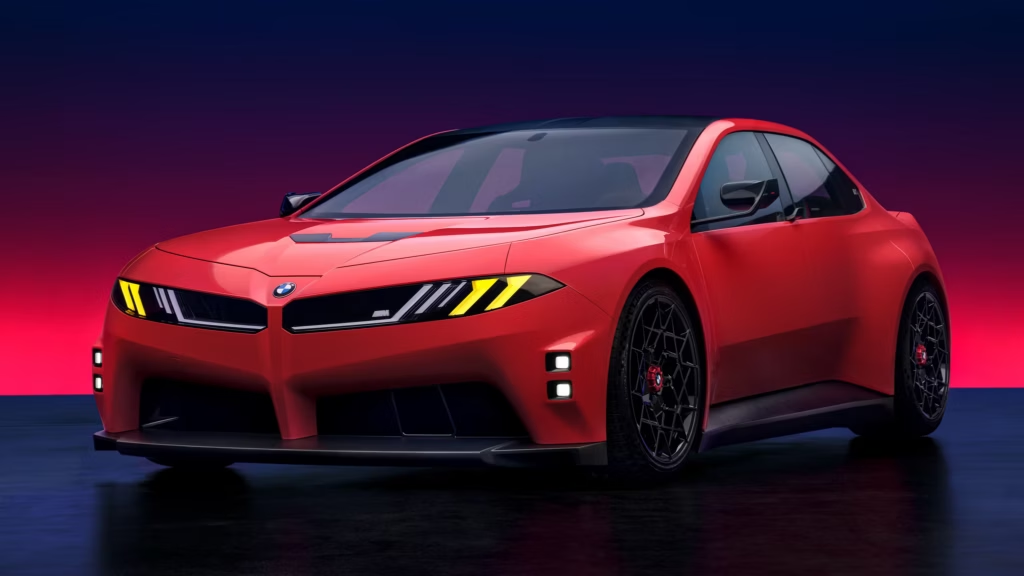
Central to the vehicle’s performance is BMW’s new “Heart of Joy” control system, which manages power delivery, braking, steering, regeneration, and charging through a unified software platform. The technology is designed to provide the responsiveness and precision traditionally associated with BMW M vehicles while taking advantage of the capabilities offered by electric propulsion.
The M3 EV will also debut BMW’s latest battery technology. Built on an 800-volt architecture, the system uses batteries with approximately 20% greater energy density than previous BMW EVs. The higher-voltage platform is expected to improve charging performance and overall efficiency while supporting the demanding power requirements of a high-performance electric sedan.
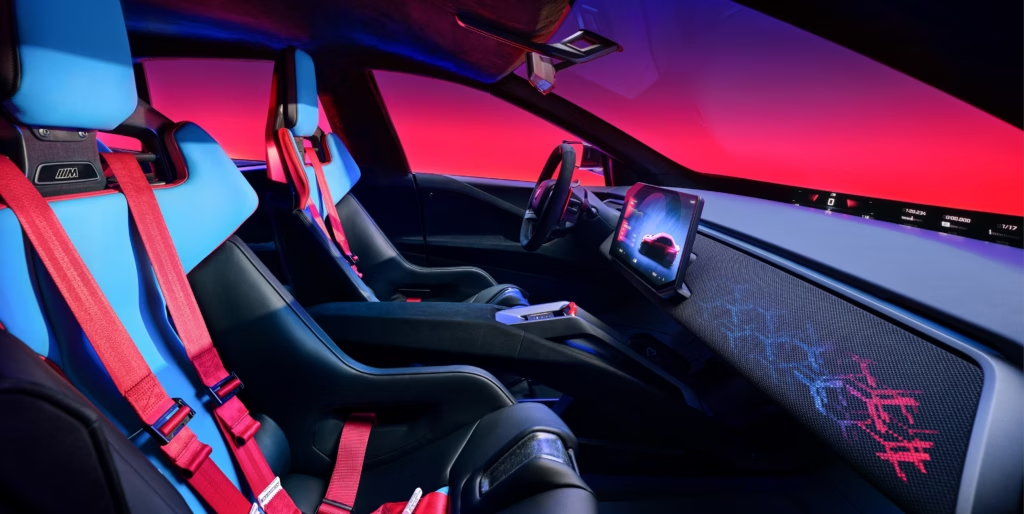
Inside, BMW is introducing a radically different cockpit experience. A 17.9-inch central touchscreen will serve as the primary interface, while the new Panoramic Vision system projects information across the lower portion of the windshield from pillar to pillar. Drivers will be able to drag and drop up to six widgets from the touchscreen into the windshield display, creating a highly customizable driving environment. A head-up display will also be available, and smartphones and smartwatches can function as vehicle keys.
The concept vehicle previewing the M3 EV featured deeply bolstered bucket seats with five-point harnesses, a cloth-trimmed dashboard, and multicolored ambient lighting. While production models are expected to use more conventional seating and restraint systems, BMW appears committed to maintaining a distinctly performance-oriented cabin. The company has also indicated the M3 EV will offer storage space in both a traditional rear trunk and a front trunk.
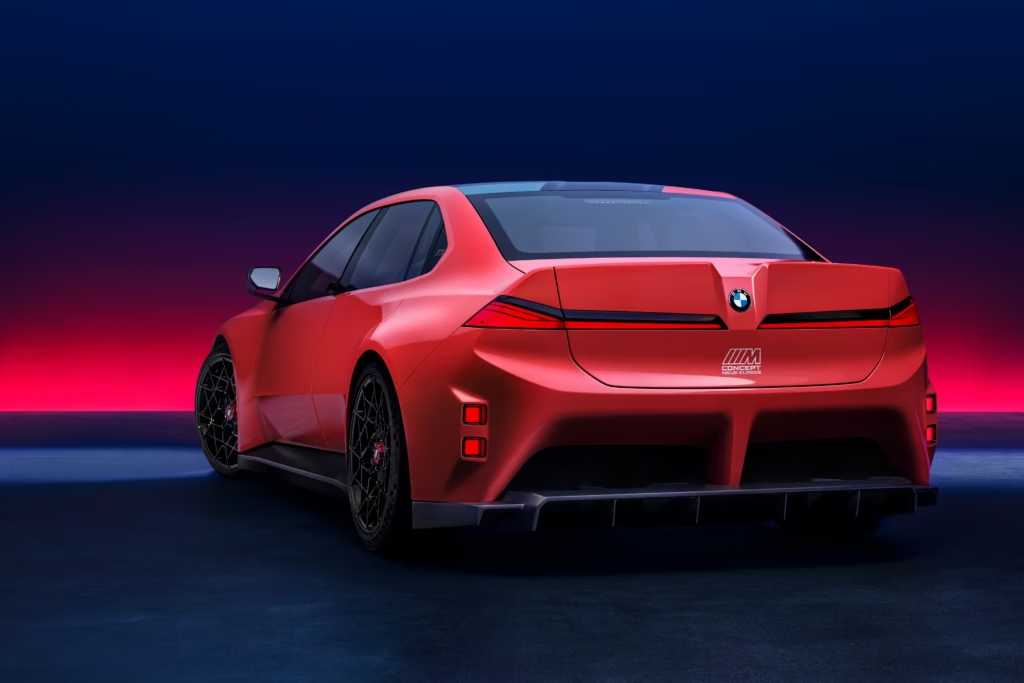
BMW currently expects the M3 EV to start around $80,000, although final pricing and trim details have not been announced. Based on the brand’s traditional M-car strategy, the lineup will likely include multiple performance levels, culminating in a range-topping Competition or CS model.
For BMW, the M3 EV represents far more than another electric vehicle. It is a test of whether the company can translate one of the most respected performance nameplates in automotive history into the electric age without sacrificing the driving experience that made the M3 famous in the first place.

Electric Vehicle Marketing Consultant, Writer and Editor. Publisher EVinfo.net.
Services