WTC Group Advances Canadian Logistics Electrification With Kalmar Ottawa T2 EV Terminal Tractors
WTC Group is accelerating the transition toward zero-emission logistics equipment with an order for Kalmar Ottawa T2 EV electric terminal tractors. The deployment represents another major milestone in Canada’s adoption of electric yard equipment and highlights how strategic investments in electrification can improve both environmental performance and operational efficiency.
Through the federal Incentives for Medium- and Heavy-Duty Zero-Emission Vehicles (iMHZEV) grant program, WTC Group is making electric yard operations more economically achievable while reinforcing its commitment to innovation, sustainability, and long-term fleet improvements. The investment demonstrates the growing demand for electric solutions in the shunting industry and positions WTC Group as a leader in the future of Canadian logistics operations.
For decades, Kalmar Ottawa has been recognized as one of the most trusted names in terminal tractors, commonly known as yard trucks, yard goats, or shunt trucks. Since 1958, the company’s diesel-powered terminal tractors have supported distribution centers, ports, and intermodal operations throughout North America. The Kalmar Ottawa T2 diesel model became an industry benchmark for reliability, uptime, and operator comfort.
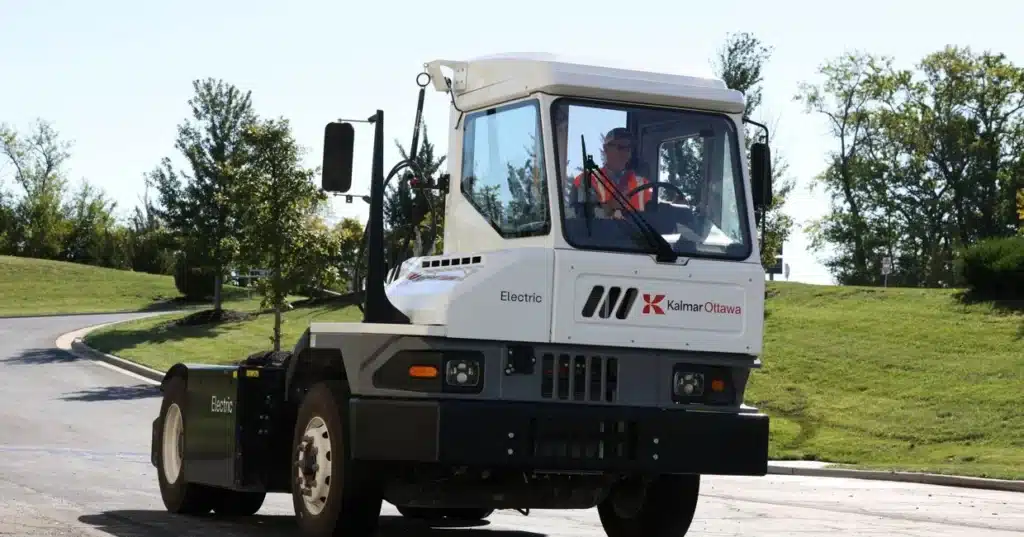
The new T2 EV brings that legacy into the electric era. Designed to deliver the same durability and performance expectations as its diesel predecessor, the electric terminal tractor uses the same cab controls, allowing operators to transition easily without extensive retraining. Kalmar Ottawa spent years engineering and testing the T2 EV, making it one of the company’s most extensively evaluated products.
For WTC Group, the technology provides a proven pathway toward cleaner fleet operations without sacrificing productivity. The deployment serves as real-world validation of electric terminal tractor performance in demanding logistics environments where reliability is essential.
Early operator feedback has highlighted several advantages, including smoother acceleration, reduced noise, and an improved driving experience. Fleet managers are also seeing potential benefits from lower maintenance requirements and the elimination of diesel fuel expenses. These improvements can help increase uptime, reduce operating costs, and provide additional value for customers seeking more sustainable supply chain partners.
The move reflects a larger industry trend. Yard operations are among the most suitable applications for vehicle electrification because terminal tractors typically operate in controlled environments with predictable routes and consistent access to charging infrastructure. Electric yard trucks can deliver reliable performance while reducing emissions in busy logistics hubs.
Kalmar Ottawa’s vertically integrated approach further supports customer confidence. The T2 EV is designed, manufactured, and supported in Ottawa, Kansas, allowing the company to maintain quality control, improve service response times, and provide strong customer support.
WTC Group’s investment in the Kalmar Ottawa T2 EV represents more than a single fleet upgrade. It demonstrates that electric yard equipment is ready for wider adoption and that sustainability and operational performance can advance together. As logistics companies across North America continue electrifying their fleets, WTC Group is helping establish a new standard for cleaner, more efficient yard operations.

Electric Vehicle Marketing Consultant, Writer and Editor. Publisher EVinfo.net.
Services