2026 EV Driver Survey Shows Strong EV Loyalty and Growing Confidence
Plug In America’s 2026 Annual EV Driver Survey provides a detailed look at how U.S. drivers experience electric vehicles, from purchasing and charging to ownership costs, reliability, and everyday use. The survey, the organization’s sixth annual EV driver survey, collected 4,205 responses, including 3,809 EV drivers.
The results show strong satisfaction with EVs and continued confidence among drivers who gain firsthand experience with electric transportation.
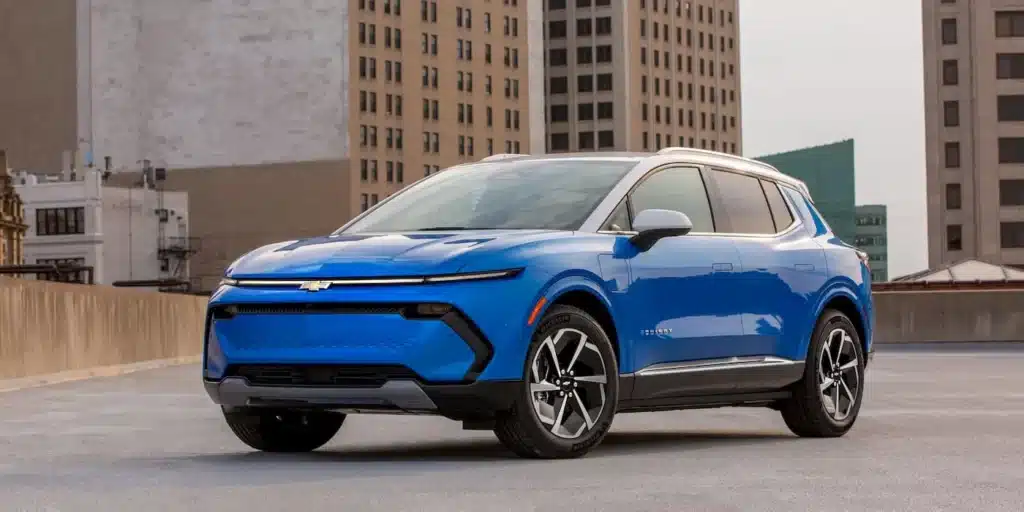
EV Drivers Remain Highly Loyal
EV drivetrain loyalty continues to grow, with 94.3% of EV driver respondents saying they are likely or very likely to choose an EV for their next vehicle.
More than 90% of respondents said their EV is more fun to drive, easier to maintain, and cheaper to fuel than a comparable gasoline vehicle. More than 94% also described their EV as convenient, reliable, and safe.
The findings reinforce the importance of firsthand experience. Drivers reported fewer concerns about battery range, vehicle price, and public charging after purchasing and regularly using an EV. The number of drivers reporting no concerns at all also increased after gaining daily EV experience.
Lower Costs Remain a Major Advantage
Cost savings continue to play an important role in EV adoption. Home charging remains one of the strongest incentives for EV drivers, particularly because electricity typically costs less than gasoline on a comparable driving basis.
According to the survey, 91% of EV drivers agree they save money by driving an EV. Nearly 95% said their EV is cheaper to fuel and easier to maintain than a gasoline-powered vehicle.
These savings could become increasingly important as consumers evaluate vehicle ownership costs beyond the purchase price.
Most EV Drivers Do Not Charge Every Day
The survey also challenges the perception that EV owners constantly need to recharge their vehicles.
Less than one-third of EV drivers reported charging every day. Modern EV batteries can provide enough range for multiple days of typical driving, meaning many owners can simply plug in when needed rather than following a daily charging routine.
Home charging also makes the process convenient for many drivers, allowing vehicles to recharge while parked overnight or during other periods when they are not being used.
EVs Often Become the Primary Household Vehicle
EVs are also becoming the preferred vehicle for daily driving in households that own both an EV and a gasoline-powered vehicle.
Plug In America found that in 75% of households with both types of vehicles, the EV is driven more often. The finding suggests that once drivers experience the convenience, performance, lower operating costs, and ease of charging associated with an EV, the electric vehicle often becomes the first choice for everyday transportation.
Public Charging Is Improving
Public charging remains an important part of the EV ownership experience, particularly for longer trips. The survey found evidence of continued improvement in charging reliability.
Among drivers using charging networks other than the Tesla Supercharger Network, the percentage reporting a non-functional or broken charger during the previous year declined by almost 10%.
While charging reliability remains an important issue, the improvement points to progress as charging networks expand, replace older equipment, and improve maintenance.
Survey Timing
Plug In America conducted the survey from January 21 through March 31, 2026. The survey took place after Congress eliminated the federal EV tax credits but before national gasoline prices reached their late-May peak of more than $4.50 per gallon.
Gasoline prices during the survey period ranged from $2.81 per gallon in January to $4.02 per gallon at the end of March.
The timing provides an interesting look at EV ownership without the influence of the federal consumer tax credits that previously supported EV purchases.
Overall, Plug In America’s 2026 survey shows that direct experience remains one of the strongest arguments for EV adoption. Drivers who already own and use EVs report high satisfaction, strong loyalty, lower operating costs, and growing confidence in electric vehicles.
The results also suggest that concerns about range and charging can diminish significantly once consumers experience EV ownership firsthand. As EV technology and charging infrastructure continue to improve, those experiences could play an increasingly important role in convincing more drivers to make the switch.

Electric Vehicle Marketing Consultant, Writer and Editor. Publisher EVinfo.net.
Services