ICCT Report Says Cost-Saving, Cheaper EVs Coming to U.S. Sooner Than You Think
Electric vehicles have long carried a reputation for being more expensive than gasoline-powered vehicles, but that perception is becoming increasingly outdated. While some EVs still have higher sticker prices, the total cost of ownership often tells a different story. When fuel, maintenance, and long-term operating expenses are considered, EVs frequently cost less to own. As battery prices decline and more affordable models enter the market, EV affordability continues to improve.
Americans are less likely to make large purchases, such as vehicles, during times of low economic stability and rising prices. On August 7, 2026, ABC News reported that Americans are deeply negative on the economy with nearly 8 in 10 Americans rating the economy poorly. ABC News spoke with Americans across the nation to see how they are dealing with higher prices.
When Americans cannot delay purchasing a new or used vehicle, they are increasingly considering fully electric and hybrid options, rather than traditional combustion engine vehicles. The International Council on Clean Transportation (ICCT) reported on July 28, 2026, that the full picture on EV affordability is better than most consumers realize.
Lower Operating Costs
EVs are significantly more efficient than vehicles with internal combustion engines. On average, they use about four times less energy per mile traveled, making electricity much less expensive than gasoline in most parts of the United States.
A 2025 study comparing the ownership costs of midsize SUVs across 17 major U.S. cities found that EV owners saved an average of $4,450 in fueling costs over seven years compared with gasoline vehicles. Maintenance savings were also substantial. Because EVs have far fewer moving parts and do not require oil changes, spark plugs, or many routine engine services, the same study estimated average maintenance savings of $3,300 over seven years. Earlier research also found that battery-electric vehicles have maintenance costs that are about 40% lower per mile than comparable gasoline models. For drivers who log high annual mileage, those savings continue to grow over time.
Purchase Prices Are Falling
The International Council on Clean Transportation (ICCT) projected in 2022 that 300-mile-range EVs would reach purchase price parity with comparable gasoline vehicles by 2028, with longer-range models following by 2030. That forecast remains on track from a technology and manufacturing perspective.
The relatively high average price of new EVs in the United States reflects market strategy as much as technology. Automakers initially introduced premium and performance-oriented electric models, following a path established by Tesla, while offering relatively few affordable alternatives. At the same time, the average price of all new vehicles sold in the U.S. has approached $50,000 as manufacturers have shifted toward larger, higher-end models.
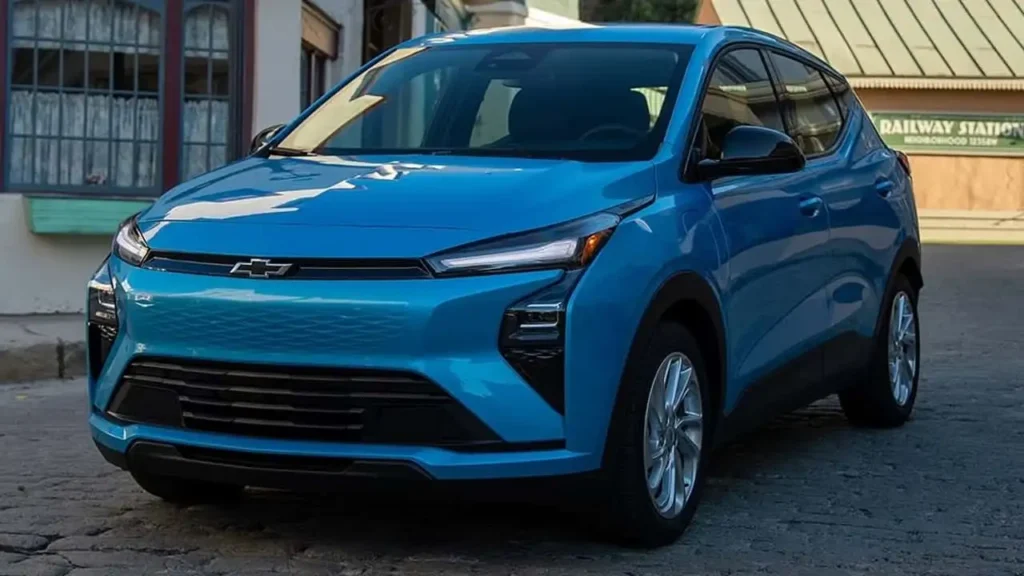
That trend is beginning to change. Automakers are introducing more affordable EVs, including the return of the Chevrolet Bolt with an starting price of about $27,600. Ford is developing a midsize electric pickup expected to start around $30,000, while Slate plans to launch a $25,000 electric truck. In some cases, EVs are already more affordable than comparable hybrid models when leased.
Costs Will Continue to Decline
Battery costs continue to fall, dropping from about $170 per kWh in 2022 to roughly $108 per kWh in 2025. As production scales and manufacturers gain experience building EVs, costs for electric drivetrains, thermal management systems, and other components are also expected to decline. Meanwhile, gasoline vehicles face increasing costs as wartime fuel prices continue to skyrocket.
In China, many EVs are already less expensive to purchase than comparable gasoline vehicles. In Europe, larger EVs have reached price parity, and numerous new models priced below €25,000 are entering the market.
The economics of electric vehicles continue to improve. They already cost less to fuel and maintain than gasoline vehicles, and purchase prices are steadily declining. As more affordable models become available, the gap between perception and reality will continue to narrow, making EVs an increasingly attractive choice for consumers looking to reduce both transportation costs and emissions.

Electric Vehicle Marketing Consultant, Writer and Editor. Publisher EVinfo.net.
Services