Electric Cars Surpass One Million in Latin America
Latin America and the Caribbean have crossed a major electric mobility milestone, with the combined fleet of battery-electric vehicles (BEVs) and plug-in hybrid electric vehicles (PHEVs) surpassing one million units for the first time. New figures compiled by the Latin American and Caribbean Energy Organization (OLACDE) show that the region reached 1,016,034 BEVs and PHEVs in June 2026. The Latin Times reported the news on September 25, 2026.
The milestone represents a dramatic increase from 17,541 electrified vehicles in circulation in 2020. During the first six months of 2026 alone, the region added 285,785 new BEVs and PHEVs. Electric and plug-in hybrid vehicles now represent one in every 10 new light vehicles sold across the region this year, marking a significant shift in a market historically dominated by internal combustion engines.
Brazil continues to lead Latin America and the Caribbean by total vehicle volume, with more than 580,000 electrified vehicles on its roads. That represents more than half of the region’s entire electrified fleet. Brazil also recorded the highest number of electrified vehicle sales during the first half of 2026, with 91,483 units sold between January and June. However, the fastest growth is taking place in other markets. Argentina’s electrified fleet increased 873% year over year, followed by Ecuador at 261%, Colombia at 236%, Brazil at 193% and Uruguay at 151%. When measured on a per-capita basis, Uruguay and Costa Rica rank ahead of Brazil, showing how electrification is developing differently across individual countries.
The transition extends beyond passenger vehicles. Latin America’s and the Caribbean’s electric bus fleet reached 10,685 units after 967 buses were added, representing nearly 10% growth in a single quarter. Chile leads the region with 5,059 electric buses, followed by Brazil with 2,317, Colombia with 1,658 and Mexico with 1,095. The parallel growth in passenger vehicles and public transportation is expanding the region’s electrification effort across both private and commercial mobility.
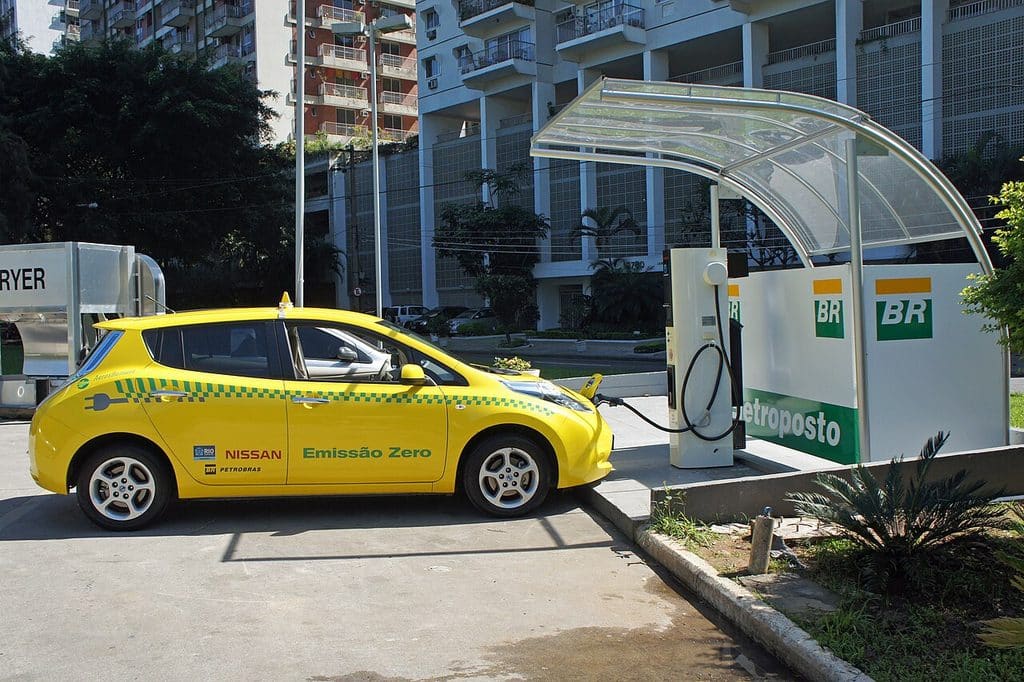

Charging infrastructure is also expanding to support the growing fleet. Brazil’s public charging network has reached 25,429 stations, while Mexico’s charging network more than doubled in a single quarter, increasing from 2,046 to 4,802 charging points. OLACDE says the continued development of the electric mobility ecosystem will require faster charging-network expansion, more resilient electrical-grid planning and more competitive financing options for consumers.
The economic impact of the transition is becoming increasingly significant. OLACDE estimates that electric mobility is already generating nearly $1.519 billion in annual energy savings across the region. Those estimates include approximately $2,240 in annual savings for each fully electric car and $26,210 for each electric bus. The savings can also reduce dependence on imported gasoline and diesel while providing greater protection from global fuel-price volatility.
The one-million-vehicle milestone comes as Latin American countries continue developing their individual approaches to electric mobility. OLACDE plans to bring the region’s opportunities and challenges into focus at its first Regional Sustainable Mobility Summit, scheduled for November 26, 2026, at the organization’s headquarters in Quito. The event is expected to address charging coverage, grid readiness and financing as the region works to build on its rapid growth in electric transportation.
EVinfo.net’s Take: Iran War Driving Global EV and Clean Energy Adoption
Countries are turning toward clean energy and pursuing greater energy efficiency in response to the war involving Iran, but the shift has not yet been strong enough to significantly address climate change.
When the U.S. and Israel launched the war in February, some renewable energy advocates argued that surging oil and natural gas prices could accelerate the transition away from fossil fuels. Since then, more than 30 governments have introduced policies aimed at reducing fossil fuel use or improving energy efficiency, according to the International Energy Agency.
However, the global energy system remains heavily dependent on fossil fuels. Greenhouse gas emissions have increased slightly compared with the same period last year, while investment in clean energy has declined over the same period.
The Associated Press spoke with a dozen energy and climate experts who said the conflict appears to be contributing to greater adoption of clean energy and efficiency measures, but the impact remains limited. Governments and businesses are responding to higher energy costs and concerns about energy security, but changing the global energy system takes time. EVinfo.net agrees.
The new policies could produce larger effects as they are implemented and begin influencing energy consumption, investment and infrastructure. For now, however, the response to the war has not fundamentally changed the world’s reliance on oil, natural gas and other fossil fuels.

Electric Vehicle Marketing Consultant, Writer and Editor. Publisher EVinfo.net.
Services