U.S. Diesel Prices Hit Another Record High, Making Stronger Case For Fleet Electrification
ABC News reported the average U.S. diesel price reached a record-high $6.43 per gallon on September 18, 2026, according to GasBuddy. The surge comes amid ongoing disruptions in the Strait of Hormuz following the U.S.-Israeli attack on Iran and continued Russia-Ukraine conflict, including Ukrainian attacks on Russian oil facilities.
Higher diesel and crude oil prices are raising costs throughout the economy, affecting trucking, food, air travel, home heating and other sectors.
Regular gasoline averaged $4.47 per gallon, up $1.53 since the U.S. war with Iran began. Brent crude was around $103 per barrel and WTI around $102, both slightly lower Friday but still above $100.
Inflation is Outpacing Wage Growth Again
Inflation is once again outpacing wage growth, eroding workers’ purchasing power. In August, consumer prices rose 3.4% from a year earlier, compared with 3.1% wage growth.
April marked a turning point, following a surge in gasoline and other energy costs after the Iran war began. As household budgets tighten, Americans are increasingly cutting back on spending and shifting toward discount and warehouse stores in an effort to manage higher prices.
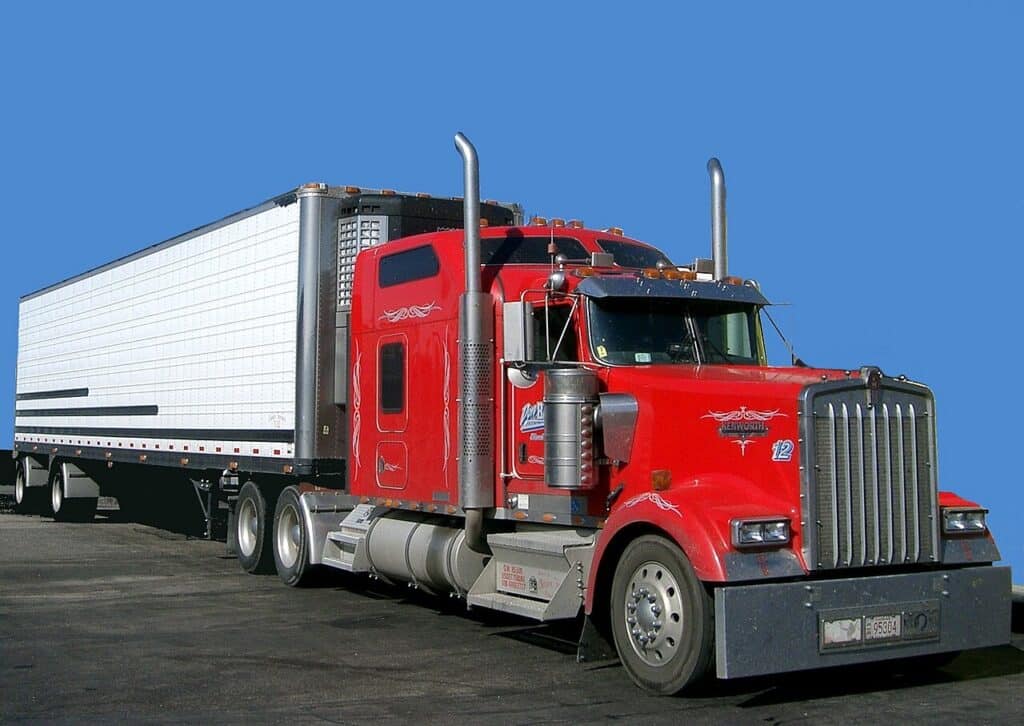

Record Diesel Prices Threaten to Raise Costs Across the U.S. Economy
Diesel prices have reached record levels. The surge is being driven by disruptions from the Iran and Ukraine conflicts, reduced refining capacity, and refinery outages.
CNBC reported that because diesel powers trucking, rail, farming, construction and other industries, higher fuel costs are expected to spread through the supply chain. Consumers could face higher grocery prices, delivery fees, travel costs and other everyday expenses, although the effects may take weeks to reach consumers.
Households that rely on heating oil could face winter bills more than 31% higher than last year, while overall winter heating costs are expected to increase more than 8.7%, according to the National Energy Assistance Directors Association. Transportation companies, farmers, construction firms and public transit systems are also facing significant cost pressures.
Experts say limited global refining capacity is a major reason diesel prices remain so high. Even if the conflicts ended, prices could take a year or longer to return to around $4 per gallon.

Geotab EV Suitability Assessment Finds $167 Million in Fleet Electrification Savings
In 2021, Geotab and Enterprise Fleet Management analyzed 91,252 vehicles across more than 50 North American markets using real-world telematics, vehicle utilization, routes, fuel costs, depreciation, acquisition costs and other operating expenses.
The assessment found that 13% of the fleet, approximately 12,000 vehicles, were economically suitable for immediate replacement with EVs. Electrifying those vehicles could save $33 million in total costs and eliminate 194,000 tons of tailpipe CO2 over four years.
The study identified electric pickup availability as a major turning point. When electric pickups became commercially available, the share of the fleet considered suitable for electrification increased from 13% to 45%, or about 42,000 vehicles. That scenario represented $167 million in potential savings, equal to $4,056 per vehicle, along with 1.3 million tons of tailpipe CO2 reductions over four years.
The EV Suitability Assessment (EVSA) is designed to evaluate individual vehicles based on actual operating patterns rather than industry averages. Enterprise Fleet Management uses the analysis to help customers determine which vehicles can be electrified and when.
Because vehicle availability, operating costs and economic conditions change, Enterprise Fleet Management reevaluates customer fleets annually using updated telematics data and market conditions.
High Diesel Prices Strengthen the Case for Fleet Electrification
Record-high diesel prices are putting freight and transportation operators under growing financial pressure, making fleet electrification increasingly compelling. Diesel recently reached record levels, and the impact extends well beyond the fuel pump. Higher diesel costs raise expenses for trucking, delivery, construction, farming, public transit and other diesel-dependent operations.
For fleet operators, fuel is a major operating expense that can fluctuate sharply with global oil markets, geopolitical conflicts and refining capacity. Electric vehicles offer a way to reduce exposure to those volatile fuel costs, particularly for fleets that can charge at their depots and take advantage of predictable electricity rates.
The benefits extend beyond fuel savings. Electric drivetrains require less routine maintenance because they have fewer moving parts and eliminate many components associated with internal combustion engines.
Fleet electrification also delivers significant environmental benefits. Replacing diesel vehicles with electric models eliminates tailpipe emissions, improving local air quality and reducing exposure to pollutants in communities along busy transportation routes.
EVs substantially reduce greenhouse gas emissions over their operating lifetime, with the environmental benefit increasing as the electricity used for charging comes from cleaner energy sources. For high-mileage fleets, transitioning from diesel to electric can therefore reduce both transportation emissions and dependence on fossil fuels.
The current diesel price shock highlights a broader strategic issue: fleets dependent on diesel remain vulnerable to disruptions they cannot control. Electrification can provide greater energy-cost predictability while reducing tailpipe emissions.
As diesel prices continue to squeeze operating budgets, fleet electrification is not simply an environmental strategy. It is increasingly an energy-cost and risk-management strategy.

Electric Vehicle Marketing Consultant, Writer and Editor. Publisher EVinfo.net.
Services