Refrigerated Fleets Are Locked Out of Converting to EV Trucks, That Changes With Snowline
Refrigerated transportation is essential to delivering food, medicine, and other temperature-sensitive products. But with diesel fuel costs soaring past $8 a gallon in California, keeping cargo cold is squeezing fleet margins tighter than ever. In the past, running a refrigeration unit on an EV truck simply was not financially or operationally viable because it required heavy external batteries that reduce payload or tapped directly into the propulsion battery which reduces range from the added power draw. These limitations effectively locked refrigerated fleets out of electric vehicle (EV) conversion.
Snowline changes the equation. The company’s software-defined, AI-optimized, transport refrigeration unit uses a patent-pending DC-native architecture that gives fleets a flexible, independent path to electrification that protects range and payload while radically lowering operating costs.
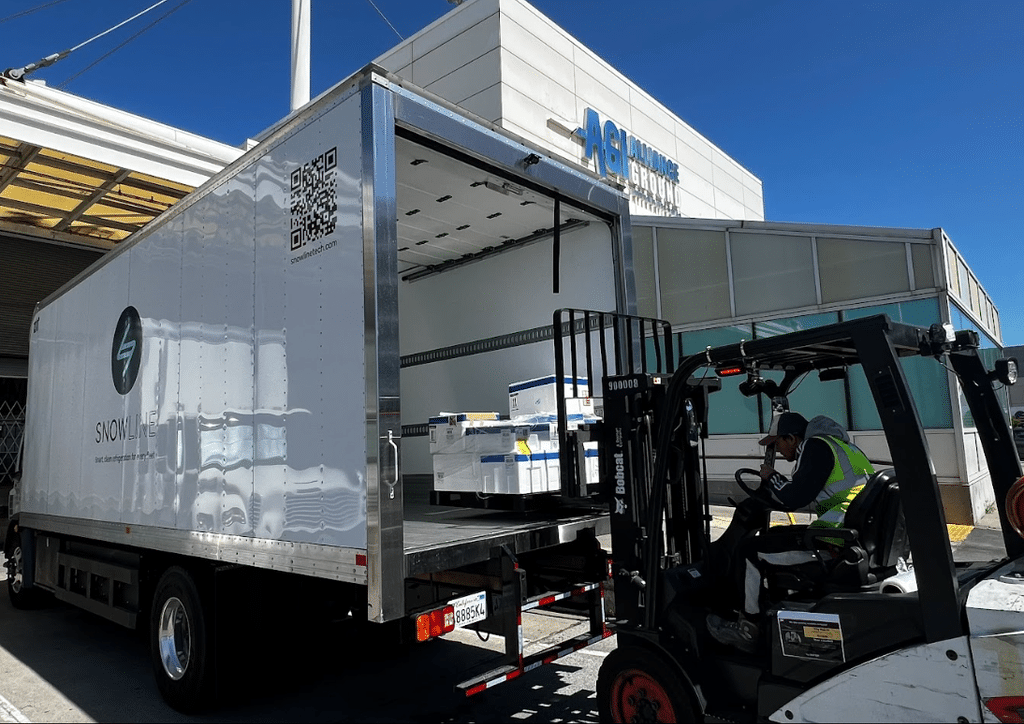
The Snowline Advantage by the Numbers
Based on real world and lab testing of over 8,000 hours carrying commercial goods for customers in California, Snowline cites massive operational advantages to Class 4-8 trucks:
- 10x reduction in energy costs: from shifting refrigeration load to the managed onboard power storage. Those savings can even be larger with the added solar panels to the roof.
- 75% less maintenance: many of the routine maintenance checks simply go away and with the company’s remote diagnostics, they can honor the warranty without mandatory maintenance checks.
- 50% lower total cost of ownership: modeled lifetime savings across fuel, risk, and depreciation compared to both diesel Transport Refrigeration Units (TRUs) and existing electric TRUs.
Over seven years, projected savings could reach $208,000 per truck compared with diesel and $161,000 compared with the competing electric system.
Total cost of ownership savings increase even further past the 7 year operational mark as the Snowline platform is designed to operate for at least 10 years. A 7-year model is used to compare like-for-like TRU replacement cycles in places like California. The Snowline system is inherently zero-emission and is not subject to emissions-related replacement cycles.
Snowline also claims its platform can virtually eliminate total-loss risk from mechanical failures on the road such as belt breakage and is designed to support compliance with the Food Safety Modernization Act (FSMA). The company positions its technology as a financially superior option for fleets looking to save on their bottom line while modernizing their technology stack and gaining greater visibility and traceability capabilities that make them more competitive.
Snowline is a CapEx-friendly option. The system is offered at a fraction of the cost of existing electric TRU systems and does not require any electrical site upgrades on its own. These upfront cost differences form part of Snowline’s broader argument that its approach can reduce the financial barriers to adopting electric refrigeration on the road, while limiting operational risks and improving long-term fleet economics.
The company says its solution can help fleets lower refrigeration costs, protect cargo, reduce spoilage exposure, and prepare for future compliance requirements.
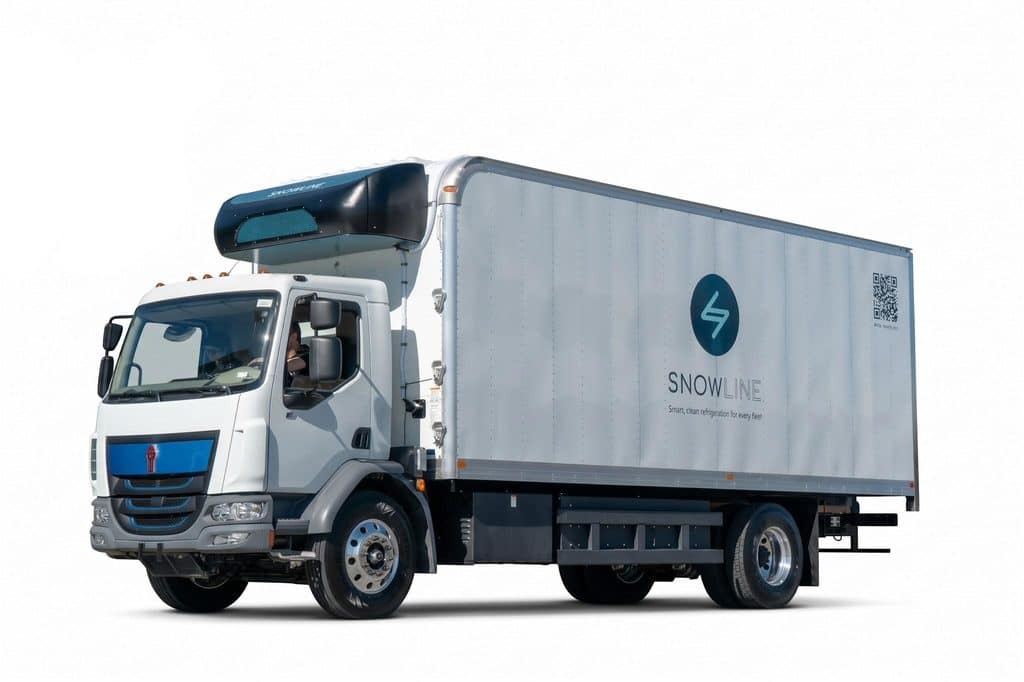
Operational Simplicity is a Key Advantage of Snowline’s Refrigeration Technology
Snowline CTO, Grant Shatto, emphasizes that existing electric transport refrigeration units (TRUs) drastically delay truck build and increase upfit complexity. They often require specialized EV technicians, custom welding to install battery enclosures, installing multiple charging cables, and dedicated electrical outlets, and they add unnecessary weight on the chassis.
The impact of this added weight on driving range depends on factors such as travel distance, cargo temperature and ambient conditions. For example, transporting frozen goods through Miami in summer can create a substantial refrigeration load, making battery energy consumption significant despite competitors’ claims that the impact is negligible.
Snowline CEO, Jumana Al-Hashal, says the company’s patent-pending technology overcomes these barriers, offering fleets a practical path to savings and electrification that acknowledges and addresses the limitations of current charging infrastructure in California.
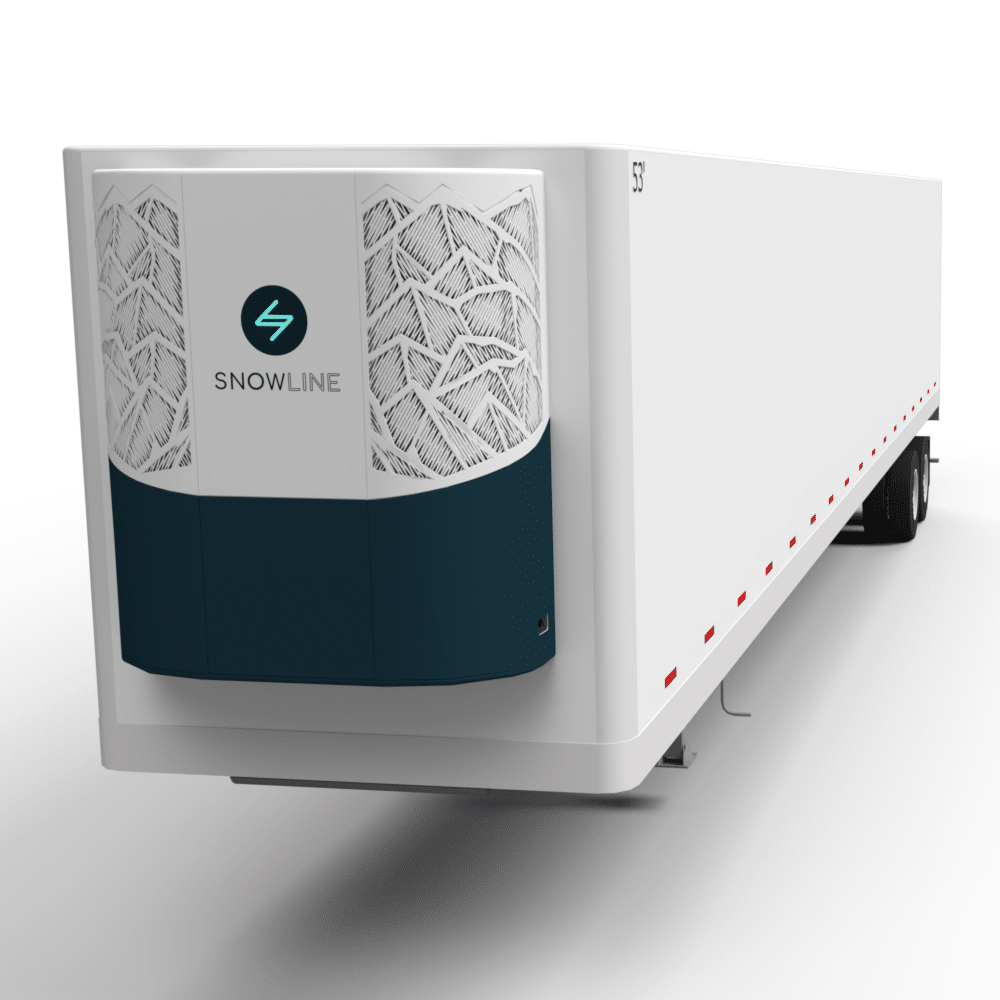
Connected Technology and Predictive Maintenance
Refrigeration performance is only one part of cold-chain management. Equipment failures, temperature excursions, and unexpected downtime can threaten cargo quality and disrupt deliveries.
Snowline’s digital-twin technology uses onboard sensors and connected vehicle data to monitor temperature, humidity, energy consumption, and equipment health. Rather than relying exclusively on passive alerts or drivers to monitor refrigeration equipment, the system is designed to identify potential issues and support proactive maintenance.
The Snowline platform brings this information together through application programming interfaces (APIs), dashboards, and mobile applications. A unified view of fleet and refrigeration data can help operators monitor equipment, manage operating conditions, and address problems before they become costly disruptions.
The company identifies better warranty, predictive maintenance, reduced downtime, and lower operational risk as key benefits of its connected approach.
Helping Fleets Meet the Strictest Regulatory Standards without Increasing Operations Complexity
Snowline says its patent-pending design delivers zero-emission refrigeration and quieter operations eliminating the need to idle, reducing noise complaints, while improving air quality for workers and residents around major refrigerated trucking routes without reducing truck range.
The company also says its systems weigh less than comparable diesel with electric standby TRUs and existing electric refrigeration units on the market, helping fleets avoid payload compromises.
The units support refrigerated and frozen cargo applications, giving operators flexibility across different cold-chain transportation requirements. Snowline units are designed to meet current California Air Resources Board (CARB) and U.S. Environmental Protection Agency (EPA) requirements and can be registered through California’s Air Resources Board Equipment Registration (ARBER) system.
See the Benefits in Action
Electrifying commercial transportation requires more than replacing diesel engines with electric motors. Refrigeration systems are a critical part of the equation for food distributors, grocery suppliers, pharmaceutical deliveries, and other businesses that depend on temperature-controlled cargo.
Snowline is pursuing a practical approach by separating temperature and environmental control and monitoring of the cargo from the limitations of conventional diesel-powered equipment and offering connected monitoring alongside electrified cooling. Its compatibility with gas, diesel, and electric trucks also creates a potential pathway for fleets to reduce emissions while their broader vehicle transition continues.
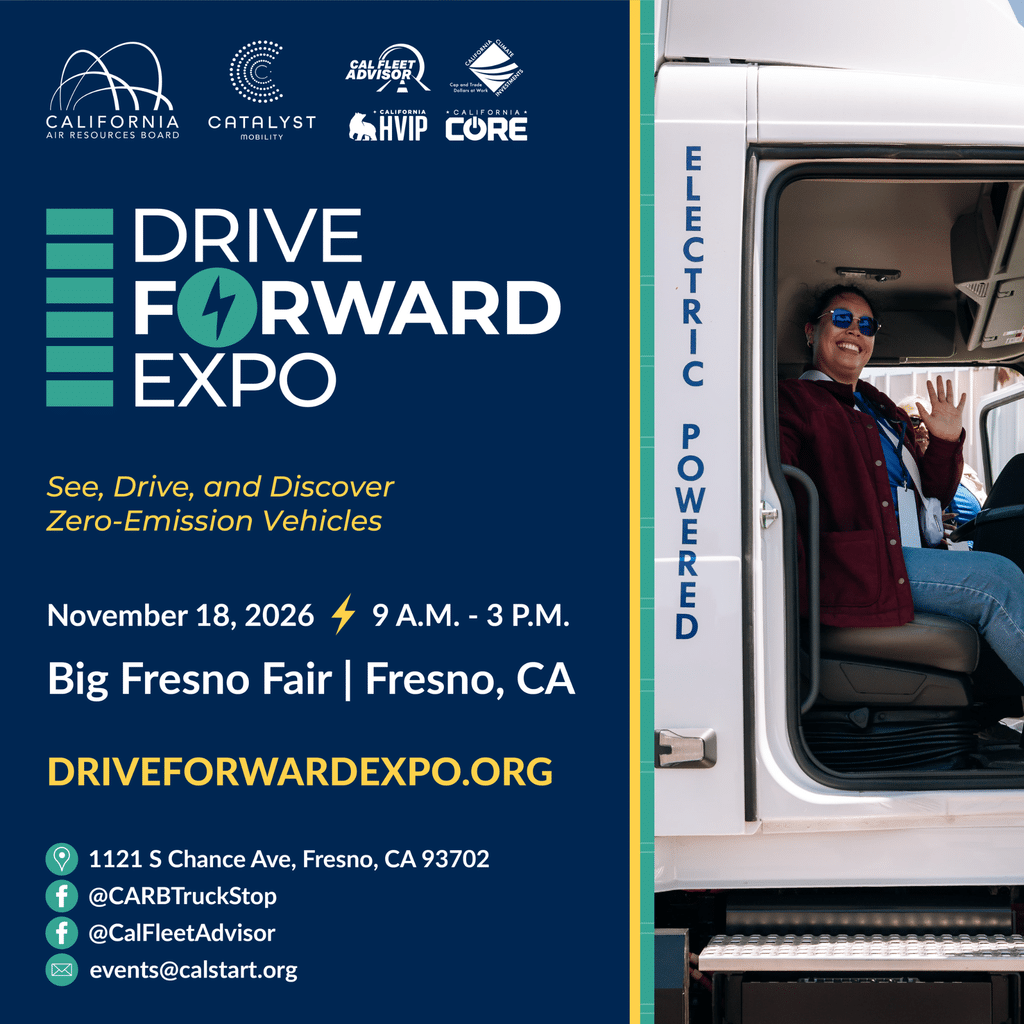
Meet the Snowline Team at the CARB Drive Forward Event in Fresno this November
Snowline will showcase its technology at the upcoming Drive Forward Event in Fresno California, sponsored by the California Air Resources Board (CARB). Decision makers for fleets should attend and see first-hand how this self-contained unit can offer a flexible path to electrification. You can even keep your diesel truck and electrify with Snowline’s TRU as it is backwards-compatible with diesel, gas, and EV trucks, and suitable for new builds or retrofits.
Secure Your Allocation
For Fleets: H1 allocations are sold out. H2 allocations are now open. Stop paying premium diesel prices. Pre-order your Snowline units now to secure your spot in line and protect your bottom line. Pre-order here.
For Dealers: Snowline is collaborating with truck centers and upfitters in 8 states. They are prioritizing dealerships with diesel and EV capabilities that have rental and leased refrigerated fleets. Sign up today for the dealer waiting list.
For a limited time only, the company is offering a completely free, no-strings attached audit of your operational and fleet data, giving you a breakdown of your costs and potential savings. The team offers services to guide fleets through electrification and can recommend whether or not your trucks are good candidates to electrify the whole chassis or only the TRU, or both. Just mention you found out about them here on EVinfo.net.

Electric Vehicle Marketing Consultant, Writer and Editor. Publisher EVinfo.net.
Services