Rising U.S. Electricity Costs Are Making EV Charging More Expensive, And Squeezing All Household Budgets
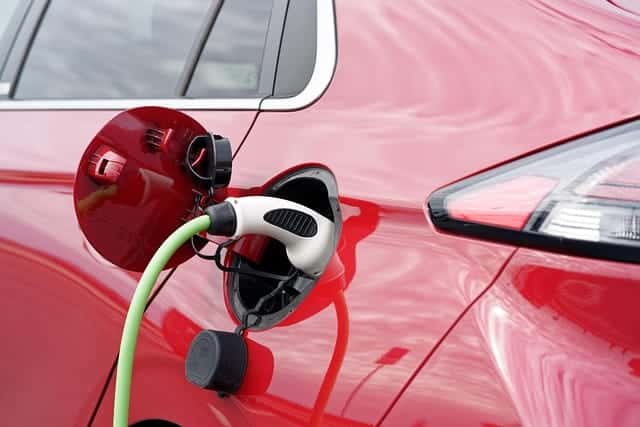
On October 24, 2026, WTOP News reported that Arlington County, Virginia, will increase base fees at public EV charging stations by 72% starting November 1.
The County Board approved the change on October 20, raising rates from 17.46 cents to 30 cents per kilowatt-hour. The increase will help cover charger capital costs and rising electricity expenses.
County contractors operate 51 public charging ports. According to the Virginia Energy Purchasing Governmental Association, electricity prices rose 25% on October 1, increasing costs for accounts serving Arlington’s EV charging stations by 23%.
The board also directed the county manager to review charging-provider contracts to ensure customers are not charged additional fees beyond those agreed upon.
However, rising electricity costs are not only plaguing Virginia. It’s a nationwide problem.
U.S. Energy Inflation Hits 20.4% in September 2026
U.S. energy inflation accelerated for a second consecutive month, reaching 20.4% in September 2026, its highest level since May, according to Trading Economics data from the Bureau of Labor Statistics.
Fuel oil prices rose 74.2% year over year, up from 52% in August, while gasoline prices increased 34.2%, compared with 27.4% previously. Natural gas services inflation accelerated to 5% from 4%, and electricity prices rose 4.4%, up from 3.8%.
Month over month, energy prices climbed 5.2%, the largest increase since March, following a 2.1% rise in August.
U.S. Electricity Prices Rise Despite Savings From Clean Energy
Reuters reported U.S. electricity prices are rising as surging data center demand, higher fuel costs, tariffs, and grid upgrades put pressure on consumers, even as renewable energy helps lower costs in some regions.
The Energy Information Administration (EIA) forecasts U.S. electricity demand will increase 1.2% in 2026 and 3.3% in 2027. Texas could see average annual demand grow 10% between 2025 and 2027, potentially reaching 15% under a high-demand scenario.
Residential electricity prices are projected to rise 5.1% in 2026 and another 2.4% in 2027, before inflation. Northern Virginia’s PJM grid region, home to the country’s largest concentration of data centers, faces additional pressure following sharp increases in capacity market prices.
Natural gas remains the largest source of U.S. electricity generation. Rising gas prices, import tariffs on steel and aluminum, transmission upgrades, storm damage, and aging infrastructure are contributing to higher costs. The average price of natural gas delivered to power generators rose 36% in 2025, according to Lawrence Berkeley National Laboratory.
Clean energy is helping offset some of these increases, but transmission constraints are delaying new projects. Some data center developers are turning to on-site gas-fired generation to avoid grid connection delays and secure reliable power for round-the-clock operations.
In March, Amazon, Google, Microsoft, and Meta pledged at the White House to pay for the new generation capacity needed to supply their U.S. data centers, aiming to limit the impact on consumer utility bills. Separately, the Department of Energy agreed in February to provide $26.5 billion in loans to Southern Company subsidiaries for new generation and infrastructure, including 5.8 GW of gas-fired power, 6.3 GW of nuclear power, 3.5 GW of energy storage, and hydroelectric upgrades.
Regional Differences in Electricity Costs
Electricity prices and household bills vary by state. California’s electricity prices are roughly twice those in Texas, yet Californians pay 23% less in electricity bills because their per-capita grid electricity consumption is 2.6 times lower, according to Stanford University researcher Mark Jacobson.
California’s electricity demand fell 3% in 2025 as behind-the-meter solar capacity expanded, despite the state’s large EV fleet, widespread electric heat pumps, and substantial data center capacity.
Rising demand does not always mean higher prices. States with available generation and transmission capacity can spread fixed costs across more customers. North Dakota, New Mexico, and Nebraska experienced substantial load growth between 2019 and 2025 while inflation-adjusted electricity prices fell significantly.
Renewable Energy Reduces Electricity Costs
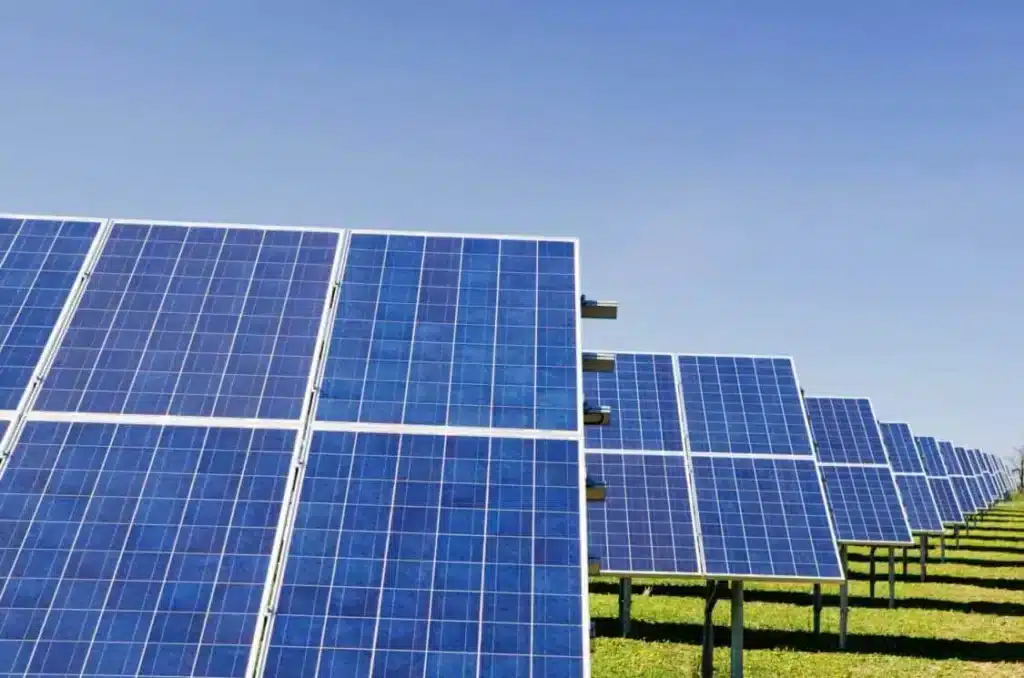
Wind and solar are among the lowest-cost electricity sources in many states, and their expansion helps reduce consumer costs over time. Texas, where wind and solar capacity have grown significantly, saw inflation-adjusted retail electricity prices decline between 2019 and 2025.
Nationally, states where renewables supplied more than 33% of electricity demand had an average electricity price of 15.5 cents per kilowatt-hour in 2025, about 3 cents below the average in states with lower renewable energy shares, according to Jacobson’s calculations.
The findings highlight the importance of expanding renewable generation, energy storage, and transmission infrastructure. Although growing electricity demand and grid investment are putting upward pressure on prices, clean energy can help reduce exposure to volatile fossil fuel costs and improve long-term affordability.
EVinfo.net’s Take: EV Adoption Still Makes Sense Despite Rising Electricity Prices
Rising electricity prices are not a reason to abandon electric vehicle (EV) adoption. Gasoline prices remain substantially higher than a year ago, and EV drivers can still save money on fuel, particularly when charging at home.
On October 25, AAA reported the U.S. average price for regular gasoline was $4.2892 per gallon, up from $3.0591 a year earlier, an increase of approximately 40%.
Although electricity costs are rising, EVs remain less expensive to operate than gasoline-powered vehicles. The savings depend on local electricity rates, vehicle efficiency, gasoline prices, and charging habits.
Home charging generally offers the best opportunity to save, especially for drivers who can charge during lower-cost hours. Public fast charging can be more expensive, making charging rates and access important considerations when calculating ownership costs.
EVs also avoid oil changes and many other routine maintenance expenses associated with internal combustion vehicles. Drivers who charge at home can reduce their exposure to gasoline price volatility and benefit from more predictable energy costs.
Renewable energy adds another advantage. Wind and solar power can help reduce electricity generation costs over time and limit exposure to volatile fossil fuel prices. Home and business owners who are able to install solar arrays save the most money over time, especially when driving electric vehicles instead of gas vehicles.
Federal Blocking of Renewable Energy and EVs Does Not Make Economic Sense
Federal restrictions on renewable energy projects can slow the expansion of affordable, domestic electricity generation just as demand is rising from data centers, electric vehicles, and building electrification. Delays or cancellations involving wind and solar projects can limit new power supplies, increase uncertainty for developers, and make it harder to expand clean energy and energy storage. When electricity demand grows faster than generation and transmission capacity, consumers may face greater pressure on utility rates. These challenges reinforce the importance of evaluating energy policies based on their effects on electricity supply, reliability, costs, and long-term investment.
In October 2026, the administration continued efforts to reconsider federal approvals for offshore wind projects, including New England Wind, Revolution Wind, and Maryland Offshore Wind. These actions risk delaying additional electricity supplies as demand rises. Federal courts have blocked some restrictions on renewable energy development, but permitting disputes and policy uncertainty continue to decline the industry at the worst possible time. The result is higher costs for consumers.
Federal anti-EV policies should be rolled back as soon as possible, because they slow vehicle electrification, increase transportation costs, increase pollution and health risks, and create uncertainty for automakers, charging providers, and consumers. Rolling back policies that restrict EV incentives, weaken fuel-efficiency standards, or obstruct charging infrastructure would help expand consumer choice, reduce dependence on expensive, polluting gasoline, and support long-term investment in clean, cost-saving electric transportation.

Electric Vehicle Marketing Consultant, Writer and Editor. Publisher EVinfo.net.
Services