The Urban Cruiser EV Is Toyota’s First All-Electric Vehicle in India
The Urban Cruiser EV is set to become Toyota’s first all electric vehicle in India, marking a significant milestone for the brand in one of the world’s fastest growing EV markets. With pricing expected to start around Rs 19 lakh, or approximately $21,000, the entry level electric SUV will compete squarely in the center of India’s rapidly expanding electric SUV segment.
After debuting in Europe last month, Toyota is now preparing to introduce the Urban Cruiser EV to India, a market increasingly viewed as a high potential global hub for electric mobility. The local EV landscape is currently dominated by domestic automakers such as Tata Motors and Mahindra, which benefit from locally produced vehicles and supportive government policies. At the same time, high import tariffs have made it difficult for global players like BYD and Tesla to compete. Some foreign brands, including Hyundai, have begun to gain traction by localizing production with models such as the Creta Electric.
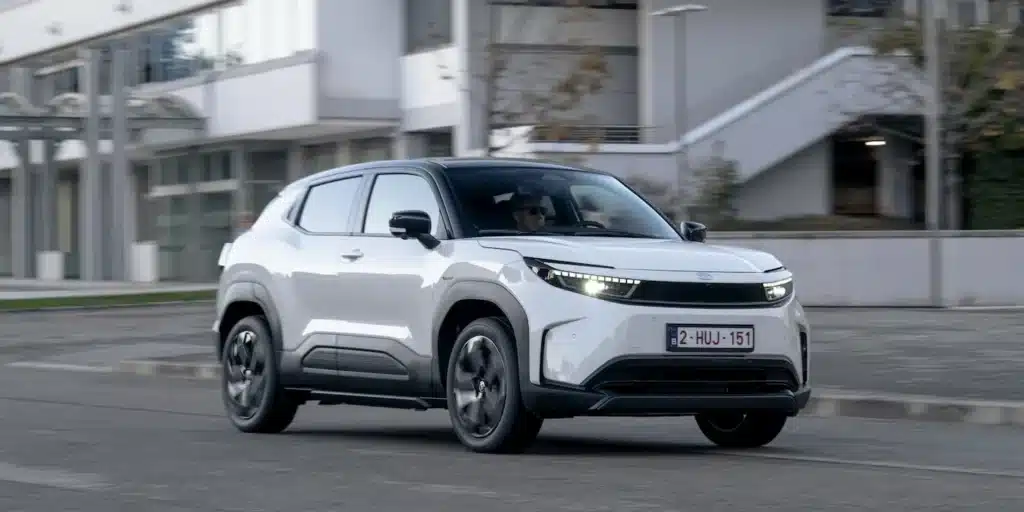
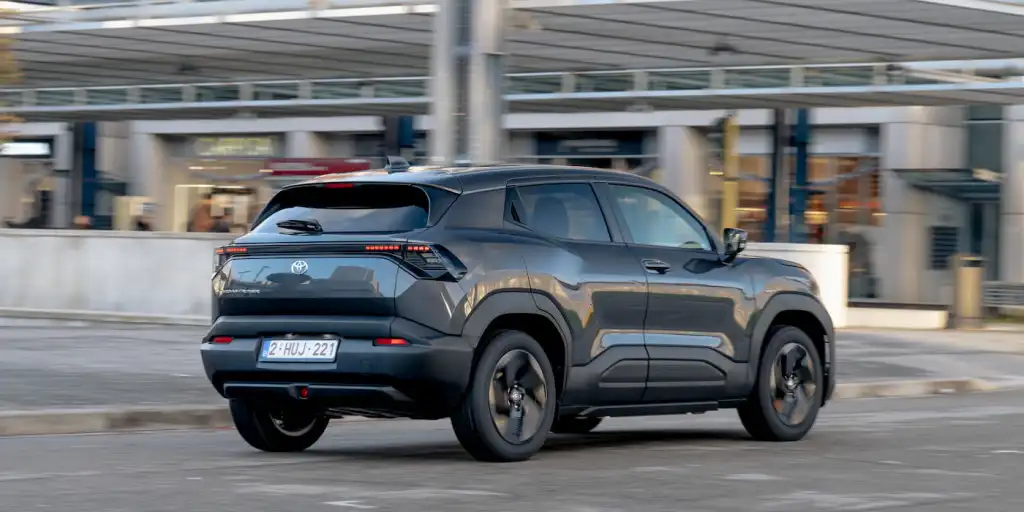
Toyota is taking a similar localization strategy. The Urban Cruiser EV is closely related to the Maruti Suzuki e Vitarra and will be manufactured at Suzuki Motor’s large Gujarat facility. This approach allows Toyota to remain cost competitive while aligning with India’s Make in India initiatives.
The Urban Cruiser EV is expected to offer two battery options, a 49 kWh pack and a larger 61 kWh pack. Under ARAI testing, the larger battery is rated for up to 543 km, or 337 miles, of range, with Toyota claiming real world driving range of more than 500 km, or 310 miles, on a single charge.
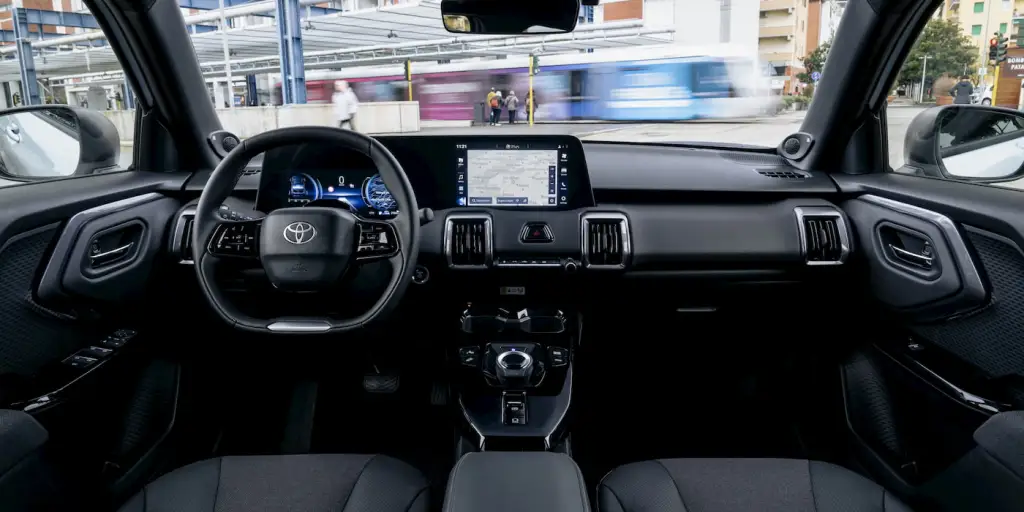
Inside, the India spec model is likely to mirror the European version, featuring a 10.25 inch digital driver display paired with a 10.1 inch touchscreen infotainment system supporting Apple CarPlay and Android Auto. Toyota has also retained physical controls for key functions such as climate and audio, a design choice that continues to resonate with many buyers. Cargo space is expected to be around 310 liters, in line with the EU spec model, though final specifications have yet to be confirmed.
Toyota is scheduled to officially launch the Urban Cruiser EV in India on January 20, 2026. According to Autocar India, pricing is expected to range from roughly Rs 19 lakh to Rs 25 lakh, or $21,000 to $27,500. At those levels, the Urban Cruiser EV will compete directly with the Hyundai Creta Electric, which starts at Rs 18.02 lakh, as well as other midsize electric SUVs including the Tata Curvv EV, MG ZS EV, and Mahindra BE 6.
As for other markets, the Urban Cruiser EV is unlikely to reach the United States. The model is produced in India and primarily designed for overseas markets such as Europe. Toyota’s US EV strategy will instead include the 2026 C HR EV, set to launch in early 2026. Smaller than the current bZ model, the electric C HR is expected to start at under $35,000.
India’s EV Market Reaches 2.3 Million Sales in 2025, Accounting for 8 Percent of All New Vehicle Registrations
On January 11, 2026, The Economic Times reported that India’s electric vehicle market reached a major milestone in 2025, with total EV sales rising to 2.3 million units and accounting for 8 percent of all new vehicle registrations. The findings are detailed in the Annual Report: India EV Market 2025, prepared by the India Energy Storage Alliance using data from the Vahan Portal. Released this week, the report noted that EV adoption gathered steady momentum throughout the year, supported by government policy incentives and a sharp, festive-led surge in the final quarter.
India’s overall automobile market recorded 28.2 million vehicle registrations in 2025. Two-wheelers continued to dominate, with more than 20 million units sold, representing 72 percent of total volumes. Passenger four-wheelers crossed 4.4 million units, while tractors and agricultural vehicles exceeded 1.06 million units, reflecting broadly stable demand across segments. The report highlighted that vehicle sales growth remained relatively steady through the first three quarters before accelerating in Q4, aided by GST benefits and year-end consumer demand.
Electric two-wheelers remained the backbone of EV adoption, with sales of 1.28 million units, accounting for 57 percent of total EV volumes. Electric three-wheelers, including L3 and L5 categories, followed with 0.8 million units and a 35 percent share. Electric four-wheeler sales reached 1.75 lakh units. Within the four-wheeler segment, the report cited strong momentum in electric goods carriers, particularly in small and light commercial vehicle categories, signaling early progress in the electrification of logistics.

Electric Vehicle Marketing Consultant, Writer and Editor. Publisher EVinfo.net.
Services