HeyCharge Is Rethinking EV Charging by Eliminating the Internet
One of the biggest challenges facing electric vehicle (EV) charging infrastructure isn’t always power availability. In many cases, its connectivity. Underground parking garages, apartment buildings, and remote locations often have poor cellular reception, making it difficult for networked chargers to authenticate users, process payments, and communicate with cloud-based management systems. Munich-based HeyCharge has developed a solution that removes this dependency entirely.
Rather than relying on Wi-Fi, Ethernet, or cellular service, HeyCharge uses a patented Bluetooth-based platform called SecureCharge. Drivers authenticate directly with the charger using a smartphone, while encrypted credentials allow charging sessions to begin even when there is no internet connection. Charging data is stored locally and synchronized with the cloud whenever connectivity becomes available, ensuring reliable operation without constant network access.
The company’s offline-first architecture significantly reduces installation costs by eliminating the need for network cables, SIM cards, antennas, signal boosters, and recurring connectivity fees. According to HeyCharge, the approach can lower total charging infrastructure costs by 40% to 70% while maintaining reliable operation in locations where traditional connected chargers often struggle.
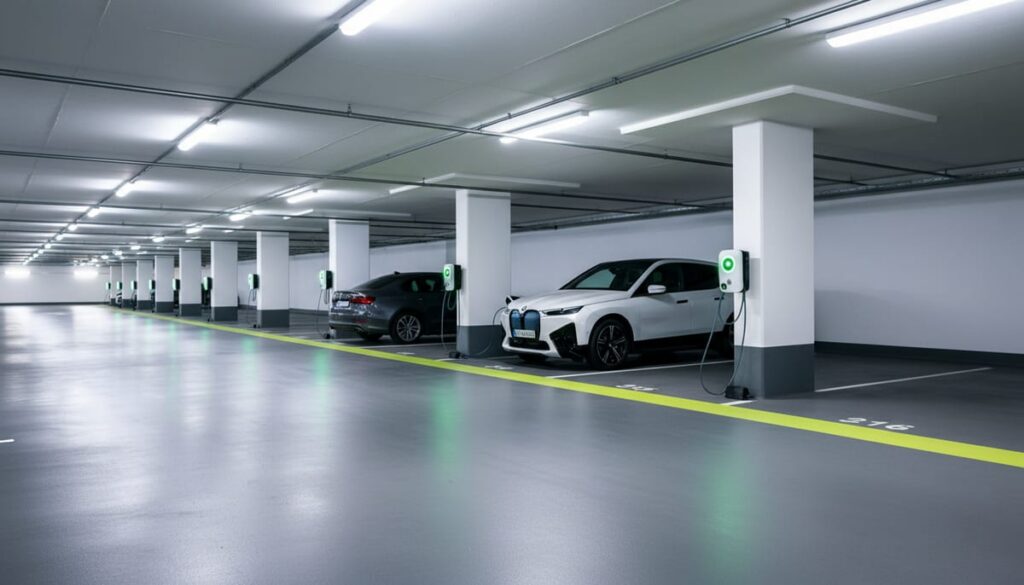
HeyCharge is primarily focused on multifamily housing, where lack of home charging remains one of the biggest barriers to EV ownership. Apartment residents frequently park in underground garages where cellular coverage is limited, yet these locations are ideal for overnight Level 2 charging. By simplifying installation and reducing infrastructure costs, the company aims to make EV charging economically viable for more property owners and operators.
The platform also serves charge point operators, utilities, fleet operators, OEMs, and parking providers through software development kits, APIs, and retrofit solutions that can integrate the company’s offline technology into existing charging hardware. This flexibility allows charging providers to improve reliability without replacing their entire network.
HeyCharge said it offers an aftermarket technology that eliminates the need to replace existing chargers when connectivity or security limitations are preventing deployment. The solution allows asset owners to preserve their existing investments while continuing to use their preferred charging hardware.
The company also provides a daughterboard that charger manufacturers can integrate directly during the production process, enabling native support at the assembly level.
In addition, HeyCharge uses patented Single Use Security Tokens for authentication. According to the company, traditional RFID cards can be cloned, including through demonstrations conducted by its own team, while its token-based approach is designed to provide a more secure alternative.
Founded in 2020, HeyCharge has deployed hundreds of chargers, prewired thousands of parking spaces, and expanded operations across Europe and the United States. The company’s infrastructure-light approach demonstrates that reliable charging does not always require a constant internet connection, opening the door to more affordable charging in locations that have traditionally been difficult to electrify.
Emobi and HeyCharge Launch Retrofit Solution Connecting Offline EV Chargers to Expansive NA Charging Ecosystem
In January 2026, Emobi and HeyCharge partnered to bring offline EV chargers into North America’s charging ecosystem through a retrofit solution that upgrades existing chargers without requiring a constant internet connection. By combining HeyCharge’s offline communication technology with Emobi’s roaming platform, the solution connects chargers to more than 140,000 charging ports across 26+ networks while enabling Plug & Charge functionality.
Designed for apartment buildings, underground garages, and other areas with poor cellular coverage, the retrofit reduces installation costs, improves reliability, and makes existing chargers accessible through major charging apps, automaker platforms, and fleet management systems.
EVinfo.net’s Take: Why More Multifamily EV Charging Matters
For millions of Americans, the biggest barrier to owning an electric vehicle is not the price of the car, but where to charge it. While homeowners can often install a charger in their garage, apartment and condominium residents typically depend on public charging because their buildings lack dedicated EV infrastructure. Expanding multifamily charging is absolutely essential to making EV ownership practical for a much larger share of the population.
Many apartment parking garages have poor or nonexistent cellular and internet connectivity, making it difficult for traditional networked chargers to operate reliably.
HeyCharge addresses this problem with its offline-first charging technology, which uses secure Bluetooth communication instead of requiring a constant internet connection. By eliminating the need for cellular service, Wi-Fi, or expensive networking equipment, the company makes EV charging easier and less costly to install in multifamily buildings.
Solutions like this can help accelerate charging deployment in apartment communities, giving more drivers access to convenient overnight charging where they live.

Electric Vehicle Marketing Consultant, Writer and Editor. Publisher EVinfo.net.
Services