Study Finds EV Misinformation is Rampant Among Michigan’s Rural Residents
Central Michigan University’s MCMU Public Media reported last week that only about 5% of rural Michigan residents say they would choose an electric vehicle as their next car, according to a University of Michigan survey of more than 1,000 residents in rural ZIP codes statewide.
The findings come as Michigan advances climate and clean energy targets that include expanding EV adoption, even as rural communities face persistent barriers tied to upfront cost, charging access, and longer average driving distances.
Researchers found that some obstacles are structural, while others are rooted in misinformation, particularly around home charging. Survey data indicates these concerns are frequently overstated. About 42% of respondents believed they could not charge a battery electric vehicle overnight at home. However, researchers estimated that roughly 75% could meet their daily driving needs using a Level 2 home charger, even in winter conditions.
Many respondents also reported that they drive too much for an EV to be practical. Yet analysis of self-reported mileage suggested most daily travel fell within the usable range of modern electric vehicles.
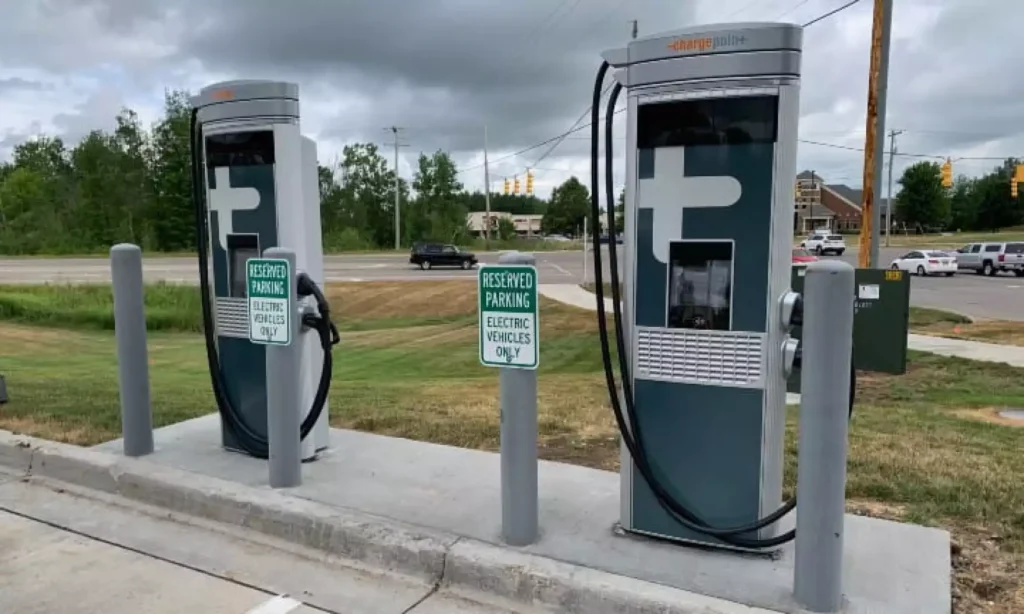
Still, while home charging may be feasible for many households, limited access to public charging remains a material barrier.
Approximately 70% of rural respondents lacked access to a fast charger within five miles of locations where they would realistically stop. Although chargers exist, they are often not situated along the routes or destinations that rural drivers frequent. National data suggests this challenge is not unique to Michigan.
A 2025 report from Mintel found that affordability concerns, range anxiety, and uneven charging infrastructure continue to slow EV adoption nationwide. While about 12% of U.S. consumers report owning an EV, regional disparities persist. Ownership stands at 8% in the Midwest, compared with 16% in the West and 15% in the Northeast.
Parth Vaishnav, an assistant professor of sustainable systems at University of Michigan and co-author of the study, emphasized that infrastructure gaps heavily influence rural adoption. Without reliable public charging, EVs remain less practical for many rural drivers.
In response, the administration of Gretchen Whitmer announced initiatives in 2023 to accelerate EV adoption statewide. These include the State of Michigan Community EV Toolkit, which supports local governments in planning and deploying charging infrastructure. Backed by state and federal funding, Michigan is building charging corridors with stations spaced roughly every 50 miles along major highways, while also investing in community-level chargers and clean energy manufacturing.
Cost perceptions also diverge from financial reality. More than half of respondents who viewed EVs as unaffordable reported household budgets that suggested they could afford one. This indicates a perception gap around total cost of ownership.
Battery durability concerns remain common as well. Manufacturers are required to guarantee at least 80% battery capacity for 10 years or 150,000 miles, meaning most underperforming batteries are replaced under warranty. Beginning with 2026 models, automakers must also display battery state-of-health information on vehicle dashboards. Researchers say this policy could improve transparency and consumer confidence.
Environmental concerns also surfaced. Some rural residents expressed apprehension about lithium battery mining and disposal. Researchers noted that these concerns reflect a strong environmental ethic within rural communities.
Taken together, the study suggests that while infrastructure limitations are real, misinformation and outdated assumptions continue to shape rural attitudes toward electric vehicles.