FAA Approves eVTOL Pilot Program Testing
The Federal Aviation Administration (FAA) announced eight proposals were selected as part of the brand-new Advanced Air Mobility and Electric Vertical Takeoff and Landing (eVTOL) Integration Pilot Program (eIPP). eVTOLs are futuristic aircraft that have the potential to generate new jobs, connect communities, and strengthen American leadership in aviation. FAA released the news on March 9, 2026.
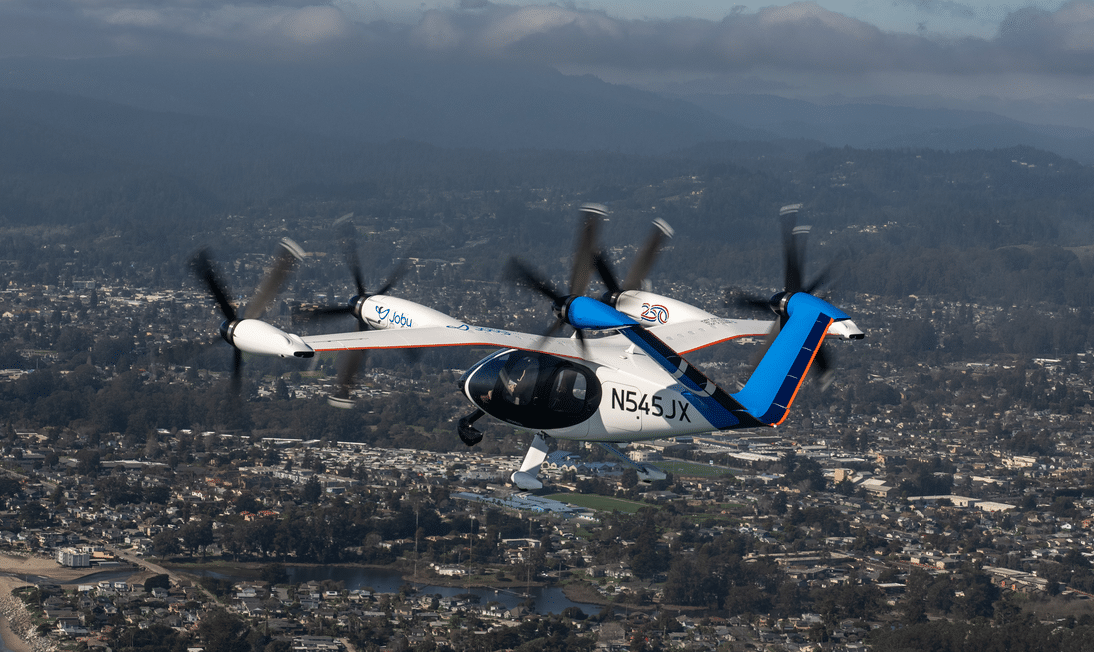
This first-of-its-kind program is accelerating the safe integration of next-generation Advanced Air Mobility aircraft into the national airspace and ensuring the United States leads the way in aviation innovation.
Together, these pilot projects will create one of the largest real-world testing environments for next-generation aircraft in the world. In addition to offering the American people an exciting window into the future of aviation, data from the pilot projects will be used by the FAA to develop new regulations that safely enable this futuristic technology at scale. The American public will start to see operations begin under this program by summer 2026.
The eight selected projects span 26 states and involve leading aircraft manufacturers, operators, and state partners. They include a range of operational concepts, including:
Urban air taxi services
Regional passenger transportation (including short Takeoff and Landing aircraft)
Cargo and logistics networks
Emergency medical response operations
Autonomous flight technologies
Offshore and energy-sector transportation
The following projects were selected to participate in the eVTOL Integration Pilot Program:
Port Authority of New York and New Jersey
Multiple industry partners will collaborate on 12 different operational concepts across New England, including eVTOL passenger operations at the Manhattan heliport.
Partners: Archer, BETA, Electra, Joby
Texas Department of Transportation
Industry partners will support regional flights connecting Dallas, Austin, San Antonio, and eventually Houston, with air taxi networks expanding from each city to extend regional reach.
Partners: Archer, BETA, Joby, Wisk
Utah Department of Transportation
Four states spanning the Pacific Northwest, the Rocky Mountains, and the Plains of Oklahoma will test a wide range of next-generation aircraft and operational concepts.
Partners: Ampaire, BETA, Joby, Other
Pennsylvania Department of Transportation
The NASAO AAM Multistate Collaborative will work across 13 states to revitalize regional flights across the country, including routes similar to those supported through the Essential Air Service program.
Partners: BETA, Electra, Other
Louisiana Department of Transportation and Development
Operations will test cargo and personnel transportation capabilities to enable flights over the high seas into the Gulf of Mexico and to energy industry locations in Louisiana, Texas, and Mississippi.
Partners: BETA, Elroy Air, Other
Florida Department of Transportation
A statewide effort featuring multiple industry partners will include three phases of operations focused on cargo delivery, passenger transportation, automation, and medical response, supported by significant public and private investment.
Partners: Archer, BETA, Electra, Joby, Other
North Carolina Department of Transportation
Working with industry partners to establish piloted medical and regional operations across the state while also developing an autonomous flight operation extending into Virginia.
Partners: BETA, Joby, Other
City of Albuquerque, New Mexico
A focused project designed to achieve early advances in autonomous operations through an existing partnership with an advanced autonomy developer already operating in the region and coordinating with the FAA.
Partner: Reliable Robotics
Background of the Program
The Advanced Air Mobility and eVTOL Integration Pilot Program (e-IPP) received more than 30 proposals from across the country. Submissions were evaluated by a technical review team from DOT and FAA.
Proposals were assessed based on their ability to accelerate the integration of Advanced Air Mobility aircraft, the breadth of operational concepts proposed, potential regulatory and policy insights, experience in aircraft development or manufacturing, and the strength of industry, academic, and government partnerships.
Following this review process, the eight projects listed above were selected to advance the next phase of the program.
EVinfo.net’s Take: The FAA’s eVTOL Pilot Program Is a Good Idea. So Why Is the Administration Undermining the Broader Clean Transportation Future?
The U.S. Department of Transportation and the Federal Aviation Administration made genuinely encouraging news this week, announcing eight proposals selected for the brand-new Advanced Air Mobility and Electric Vertical Takeoff and Landing (eVTOL) Integration Pilot Program (eIPP). The program spans 26 states, involves leading aircraft manufacturers and state partners, and represents one of the largest real-world testing environments for next-generation aircraft anywhere in the world. It is forward-thinking, collaborative, and exactly the kind of initiative that positions America as a leader in aviation innovation.
So the question worth asking is: why can’t that same wise decision-making extend to the rest of federal transportation and climate policy?
Because while the administration deserves credit for the eIPP, it has spent the past year moving in the opposite direction on nearly every other front that touches clean transportation, public health, and the climate.
Cutting EV Incentives Hurts Everyday Drivers
The federal electric vehicle tax credit was cut, removing one of the most effective tools for making EVs accessible to middle-income Americans. That credit existed to close the upfront price gap between electric and gasoline-powered vehicles, and it was working. Eliminating it raises purchase costs, slows adoption, and reduces pressure on automakers to expand production and invest in next-generation battery technology. The downstream effect is less market competition and slower cost declines for consumers. Drivers pay more. Progress stalls.
Weakening Emissions Standards Means More Pollution
The administration has also signaled a willingness to relax vehicle emissions standards, standards built on decades of research linking tailpipe pollution to ground-level ozone, fine particulate matter, asthma, cardiovascular disease, and premature death. Loosening these rules means higher levels of nitrogen oxides and particulate emissions in the air. It means more smog. And as is almost always the case with environmental rollbacks, the communities that already face the heaviest pollution burden will absorb the worst of it.

Threatening the EPA’s Endangerment Finding Undermines Everything
Perhaps the most consequential move is the proposal to remove or weaken the EPA’s endangerment finding, the 2009 determination that greenhouse gases threaten public health and welfare under the Clean Air Act. That finding is the legal bedrock for regulating carbon dioxide and other climate pollutants from vehicles and industrial sources. Dismantling it would not just roll back existing rules. It would make it dramatically harder to defend climate protections in court and to implement new ones in the future. It is, in effect, an attempt to remove the government’s own legal authority to act on climate.
Short-Sighted Policy Is Handing China the Auto Industry’s Future
There is another casualty of the administration’s retreat from clean transportation policy that deserves more attention: the American auto industry itself. When federal EV incentives are cut and emissions standards are weakened, automakers do not simply pocket the savings. They lose the policy certainty needed to justify long-term investment in electric vehicle platforms, battery supply chains, and manufacturing infrastructure. Scaling back those commitments costed OEMs billions in stranded investments, retooling expenses, and lost competitive ground.
The cruel irony is that this does not slow the global EV transition. It just ensures the United States sits it out. China’s automakers, backed by years of consistent government support and already leading the world in EV production, technology, and exports, are the primary beneficiaries of American hesitation. Every month the U.S. delays building a competitive domestic EV industry is a month China extends its lead. Protecting the fossil fuel status quo is not protecting American autoworkers or American industry. It is protecting China’s.
The eIPP Shows What’s Possible
None of this is inevitable. The eVTOL pilot program proves the administration is capable of investing in the future of transportation when it chooses to. The eIPP will generate real data, inform new regulations, and help the United States stay ahead in a technology sector that is growing globally whether we lead it or not.
That same logic applies to electric vehicles, emissions standards, and climate policy. The choice to retreat from those areas is just that: a choice. And it is one that will cost Americans in their health, their wallets, and their standing in a world that is rapidly moving toward cleaner transportation. The administration has shown it knows how to make a good call. It should make more of them.

Electric Vehicle Marketing Consultant, Writer and Editor. Publisher EVinfo.net.
Services