Toyota Considering San Antonio, Texas for a New $2B Automotive Assembly Line Plant
On May 15, 2026, the San Antonio Report revealed that Toyota Texas could make another massive investment in San Antonio, potentially adding a new $2 billion vehicle assembly line near its existing manufacturing facility.
According to filings submitted to the Texas Comptroller’s Office, the proposed project, codenamed “Project Orca,” would be built between 2026 and 2030 and could create approximately 2,000 new jobs. Toyota’s filings show plans to hire 320 workers in 2028, 1,440 workers in 2029, and another 240 workers in 2030.
Toyota said the new assembly line would need to be located close to an existing Toyota facility, though the company noted other candidate sites remain under confidential negotiation. Company officials declined to comment on a specific location.
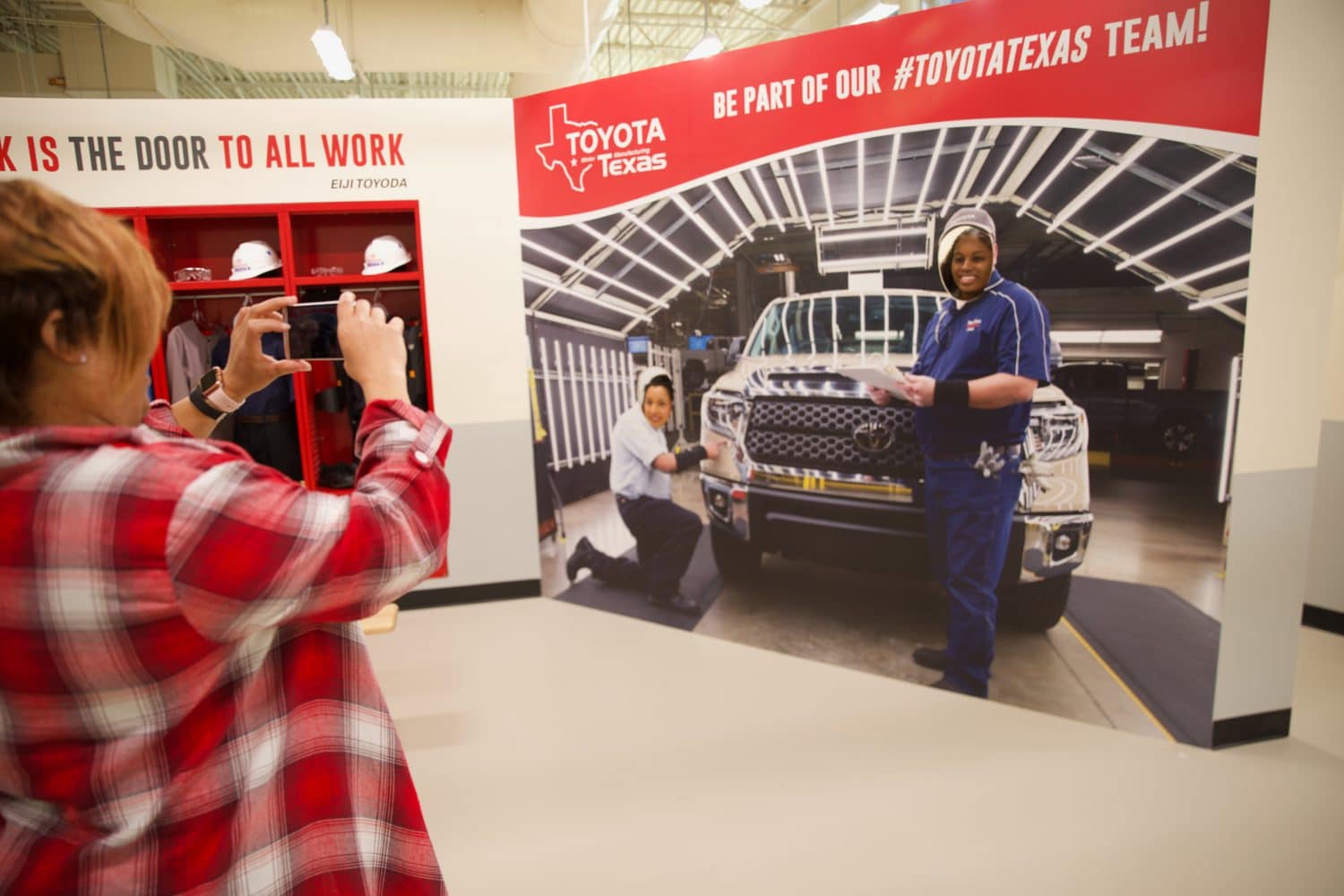
(Image: 2018 Toyota Motor Manufacturing Texas – TMMTX, Courtesy Toyota)
The proposed expansion comes as Toyota continues increasing investment in its Texas operations. Separately, the automaker is already building a new $531 million rear axle facility expected to create roughly 400 jobs. The 500,000-square-foot plant is scheduled to open later this year and ramp production in 2027.
Toyota is seeking a 10-year tax incentive package through Texas’ Jobs, Energy, Technology and Innovation Act. Under the proposal, the company’s maintenance and operations tax valuations would be reduced to 25% of full value between 2030 and 2040 if approved by state and local officials.
The project easily exceeds the program’s local requirements in Bexar County, which require investments above $200 million and the creation of at least 75 jobs.
Toyota’s San Antonio facility is located within Southwest Independent School District. According to the filing, annual tax payments would increase during the early years of the incentive period due to new equipment and machinery before stabilizing at approximately $645,019 annually through 2040. After the incentive period expires, annual taxes would reportedly exceed $2.5 million.
The Texas Comptroller’s Office will review the application before Gov. Greg Abbott and Southwest ISD weigh in on the proposal.
Southwest ISD indicated strong support for the expansion.
“Southwest ISD fully supports the application and is excited about the potential positive impact it could have on the South Side of San Antonio and the Southwest ISD community,” said district communications chief Jenny Collier to the San Antonio Report.
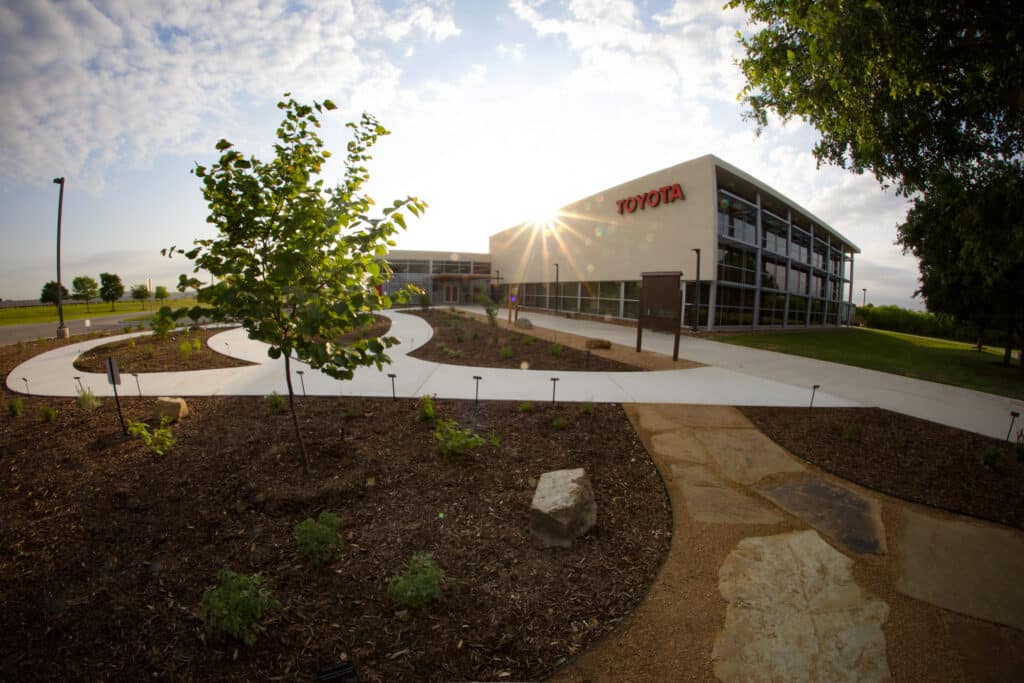
(Image: 2018 Toyota Motor Manufacturing Texas – TMMTX, Courtesy Toyota)
EVinfo.net’s Take: Toyota Gets Serious About EVs in North America
We hope Toyota’s Orca project is successful. The USA certainly needs more automotive jobs and EV production, as the country reels from federal government mistakes such as illegal tariffs. New Gallup data confirms that the personal and professional environment of U.S. workers was worse at the end of 2025 than at any point in the past three years across several important metrics. 2025 was the worst year for hiring since 2020, a December 2025 jobs report showed.
For years, Toyota was criticized for moving slowly on fully electric vehicles while competitors aggressively expanded EV production across North America. The company leaned heavily on hybrids and hydrogen while brands like Hyundai, Ford, and GM pushed deeper into battery electric vehicles.
That strategy is now changing fast.
Toyota’s EV lineup in North America has expanded significantly over the past year with four major electric models now available or launching soon: the refreshed Toyota bZ, the all-new Toyota C-HR, the rugged Toyota bZ Woodland, and the luxury-focused Lexus RZ.
Toyota’s updated bZ received major improvements for 2026, including longer range, faster charging, more horsepower, battery preconditioning, and the North American Charging Standard (NACS). Some versions now offer up to 314 miles of range.
The company also introduced the sporty electric C-HR crossover, which delivers up to 338 horsepower, standard AWD, and up to 287 miles of range.
Meanwhile, the new bZ Woodland signals Toyota’s push into adventure-focused EVs. The model offers 375 horsepower, AWD, up to 3,500 pounds of towing capacity, rugged styling, and access to NACS fast charging.
Recently, Toyota Motor North America and Treehouse launched a new collaboration designed to simplify home EV charger installation for Toyota and Lexus customers purchasing battery electric and plug-in hybrid vehicles.
Toyota’s manufacturing investments also show the company is preparing for a much larger EV future in North America.
Linkedin discussions among EV enthusiasts and Toyota fans increasingly reflect the view that Toyota is finally becoming competitive in the EV space after years of hesitation.
Toyota still maintains its “multi-pathway” strategy that includes hybrids, plug-in hybrids, hydrogen, and battery EVs. But the company’s recent product launches and factory investments make one thing increasingly clear:
Toyota is no longer cautiously experimenting with EVs in North America. It is scaling up.