EV Purchase Consideration Rises in Canada as Cost Pressures Ease, JD Power Finds
The percentage of new-vehicle shoppers in Canada who say they are “very likely” or “somewhat likely” to consider an electric vehicle (EV) for their next purchase has climbed to 34%, up from 28% in 2025, according to the newly released 2026 Canada Electric Vehicle Consideration (EVC) Study from JD Power. The increase marks the first meaningful rise in EV consideration since the study began tracking consumer sentiment in 2022, following several years of stagnant or declining interest in electric vehicles across the country.
The rebound in EV interest comes as Canada continues reshaping its EV incentive landscape. Earlier this year, the federal government introduced the Electric Vehicle Affordability Program (EVAP), replacing the previous iZEV incentive program. The new initiative is designed to broaden access to incentives and help lower the upfront cost of EV ownership. Despite the launch of EVAP, many consumers remain uncertain about how the program works and what incentives they may qualify for. Overall, 25% of Canadian new-vehicle shoppers say the new program has positively influenced their willingness to consider an EV. Among shoppers already leaning toward EV adoption, that figure rises sharply to 57%.
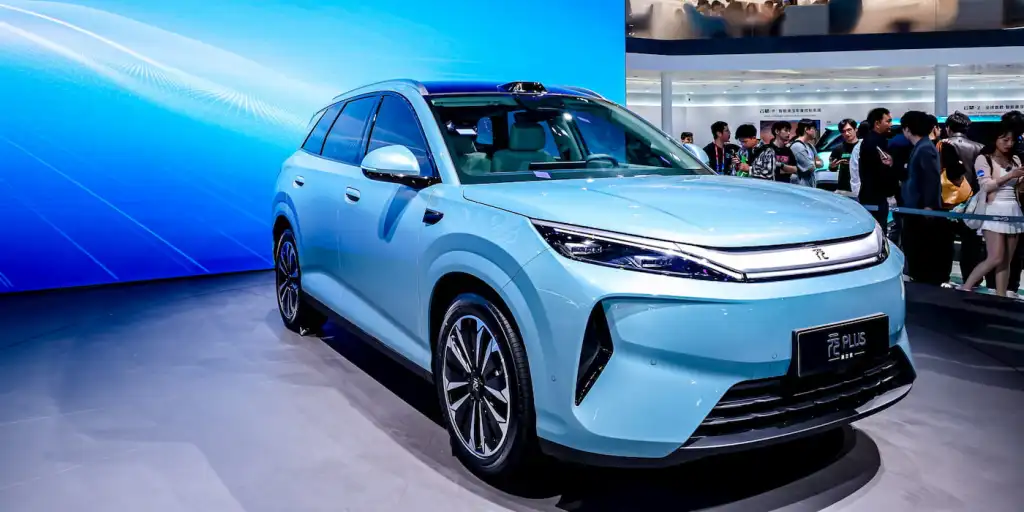
The study found that Canada still trails the United States in overall EV consideration. While 34% of Canadian shoppers say they are likely to consider an EV, 59% of shoppers in the U.S. report the same level of interest, a figure that remains unchanged from last year. Canada also shows a stronger divide in consumer sentiment, with 47% of shoppers saying they are “very unlikely” to consider an EV, compared to only 20% in the U.S. Quebec continues to lead Canadian provinces in EV interest, posting a 10-point increase to 42%.
Canada agreed to roll back its 100% tariff on Chinese electric vehicles in January 2026. Under the agreement, Canada will allow Chinese EV imports under an initial annual cap of 49,000 vehicles, rising to approximately 70,000 units over five years.
18 Geely-built Lotus Eletres and roughly 150 Chery vehicles are already on the ground in Canada. Certification timelines, setting up dealer networks, and quota uncertainty are slowing the Chinese EV rollout, even as consumer interest grows in lower-priced EV options.
Interest in Chinese EV brands is also growing among Canadian consumers. Among shoppers already open to EV ownership, 56% say they would consider purchasing a Chinese EV brand, with affordability serving as the primary driver of interest. Across the broader market, 31% of shoppers say they are open to considering a Chinese EV. Consumers cited attractive pricing and advanced in-vehicle technology as key reasons for their interest. However, many shoppers also expressed concerns about long-term quality and reliability, cybersecurity risks, and the lack of established dealer and service networks in Canada.
Range anxiety continues to dominate concerns among EV skeptics. Among shoppers who say they are unlikely to purchase an EV, 65% cited limited driving range per charge as the top barrier. Charging infrastructure availability ranked second at 56%, while concerns about EV performance in extreme weather conditions, including cold Canadian winters, ranked third at 54%. Notably, purchase price no longer ranks among the top concerns for hesitant buyers, suggesting that affordability issues may be easing as the market matures.
The annual Canada Electric Vehicle Consideration (EVC) Study serves as a key benchmark for measuring consumer interest in EV adoption across the country. The research evaluates EV consideration across regions, demographics, driving habits, lifestyles, and purchasing behavior. It also examines model-level cross-shopping trends, reasons consumers choose EVs, and the primary objections among those who reject them. The 2026 study surveyed 4,938 new-vehicle shoppers in Canada and was conducted between March and April 2026.
JD Power has been a leading provider of automotive data, analytics, and consumer intelligence since 1968, supporting automakers, dealers, lenders, insurers, and other industry stakeholders with research and market insights that help guide business decisions.
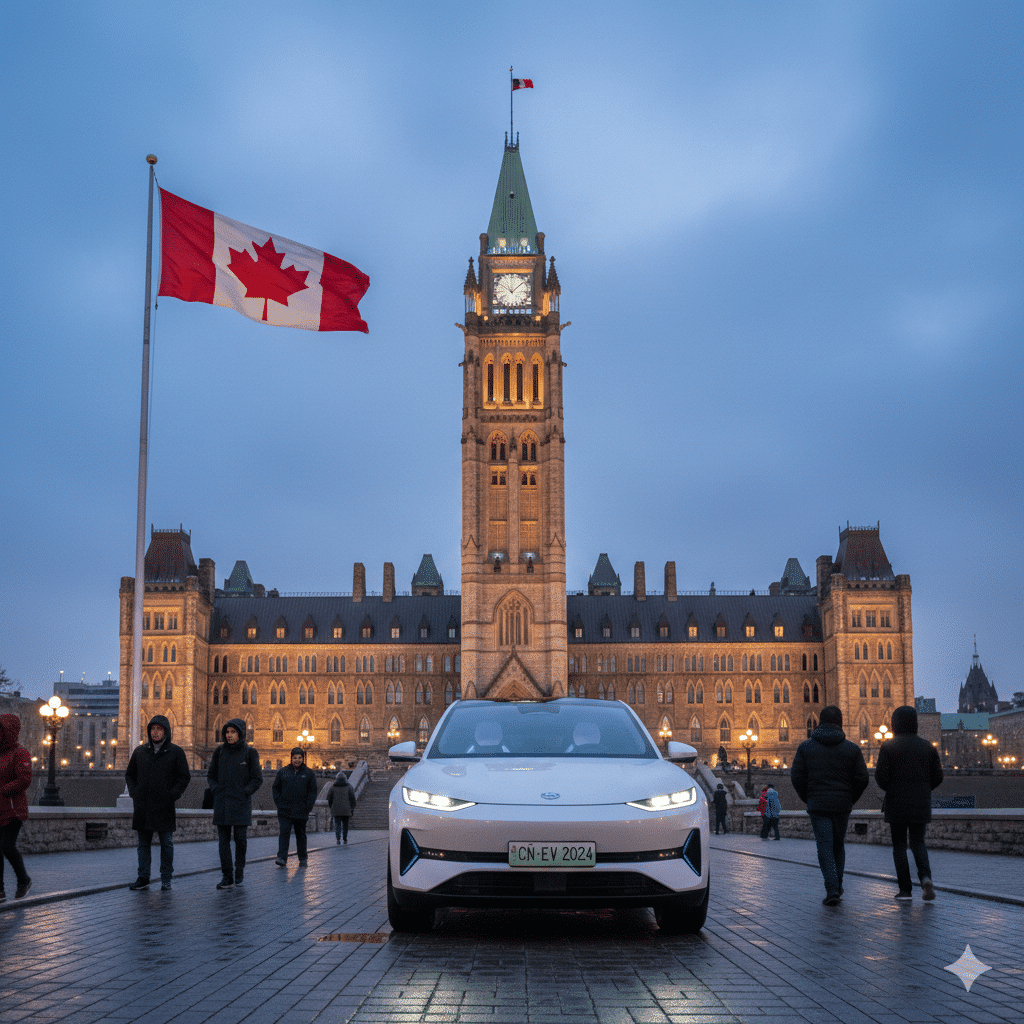
EVinfo.net’s Take: Canada Could Become the Real Test Market for Chinese EVs in North America
Chinese electric vehicle brands have spent the last several years rapidly expanding across Europe, Southeast Asia, South America, and parts of the Middle East. Now, attention is turning toward Canada, where growing consumer openness to Chinese EVs could create a fascinating preview of what the future might eventually look like in the United States.
Price is clearly driving much of the interest. Chinese automakers have become extremely good at building feature-rich EVs at lower price points than many Western competitors. Companies like BYD, NIO, XPeng, Zeekr, and others have spent years scaling battery production, improving software integration, and vertically integrating supply chains. The result is a generation of vehicles that often deliver competitive range, advanced driver-assistance features, and modern interiors at prices that legacy automakers struggle to match.
Canada may become the ideal entry point.
Unlike the United States, where political pressure and trade restrictions around Chinese EV imports remain intense, Canada could provide a more flexible and realistic testing ground. Canadian consumers already face high vehicle prices, long EV wait times in some regions, and growing frustration around affordability. If Chinese automakers can enter the market with attractive pricing and reliable products, adoption could happen faster than many industry observers expect.
That creates a much bigger question for the United States.
If Chinese EV brands begin gaining meaningful traction in Canada, it will become difficult for American policymakers and automakers to ignore. Consumers in border states will inevitably compare pricing, technology, and ownership experiences. Social media and automotive content creators will amplify those comparisons quickly. A successful rollout north of the border could increase pressure on U.S. automakers to accelerate cost reductions and improve EV value propositions.
It could also intensify the broader debate about tariffs and industrial policy.
The United States has invested heavily in building a domestic EV manufacturing ecosystem through the Inflation Reduction Act and other incentives designed to localize battery production and reduce dependence on China. But if Canadian consumers rapidly adopt Chinese EVs because they are simply more affordable and technologically competitive, it may expose weaknesses in the North American EV market structure.
Of course, major obstacles remain.
Canadian consumers still have concerns about long-term reliability, cybersecurity, service infrastructure, and parts availability for Chinese brands. Building trust takes time, especially in the automotive sector where reputation matters enormously. Establishing dealership networks, repair support, and charging partnerships across Canada will not happen overnight.
Still, the interest is there, and that alone is significant.
For years, Chinese EVs felt like a distant global trend with little relevance to North America. Canada may soon change that narrative. What happens there over the next few years could offer the clearest indication yet of whether Chinese EV manufacturers can eventually reshape the competitive landscape across the entire continent.

Electric Vehicle Marketing Consultant, Writer and Editor. Publisher EVinfo.net.
Services