Polestar and Clever Are Testing V2X Bidirectional Charging in Denmark
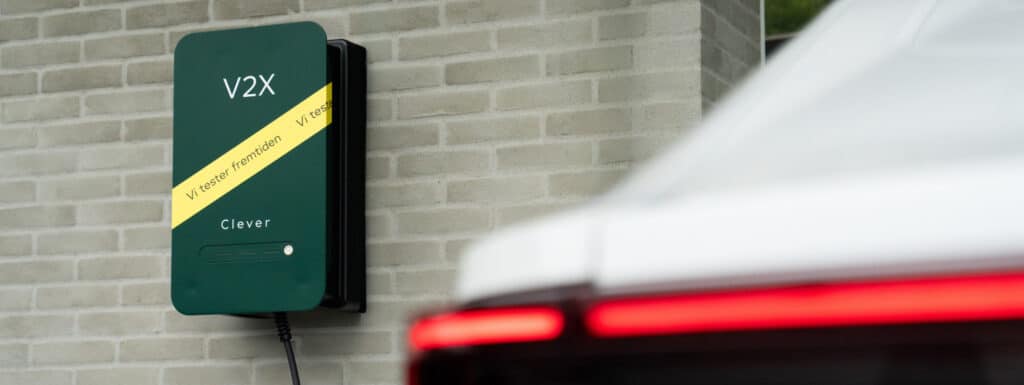
Polestar and Danish charging operator Clever have launched a groundbreaking pilot project that demonstrates how electric vehicles can do much more than transportation. Using the Polestar 4, the companies are testing vehicle-to-everything (V2X) technology in selected homes across Denmark, allowing EVs to power homes, support the electric grid, and provide backup electricity during outages.
The pilot marks the first time a complete V2X solution is being tested in Denmark. Through bi-directional charging technology, the Polestar 4 can both receive electricity and send energy back to a home or the power grid. The project is designed to showcase how EV batteries can become valuable energy assets while helping consumers lower electricity costs and improve grid reliability.
The initiative is focused on three key applications. First, vehicle-to-home (V2H) functionality allows stored energy in the vehicle battery to power a home during periods of high electricity prices. Second, vehicle-to-grid (V2G) capabilities enable energy to be sent back to the grid during times of peak demand. Third, an “islanding” mode allows the vehicle to serve as emergency backup power in the event of a grid outage.
Because Polestar vehicles are software-defined, new capabilities can be added through over-the-air updates. The pilot will help both companies evaluate how commercial V2X services could provide savings for EV owners, increase energy independence, reduce strain on the grid, and support greater use of renewable energy.
Henrik Bang, Managing Director of Polestar Denmark, said electric vehicles could become an important part of the future energy system. Rather than simply transporting people, EVs could also store and distribute electricity when needed, helping households manage energy costs while supporting the transition to cleaner energy sources.
Clever is building the pilot on its existing smart charging platform, which already schedules charging during periods of low electricity prices. With V2X technology, vehicles can automatically charge when power is inexpensive and then use or export that stored energy when electricity prices rise or grid demand increases.
The companies expect the pilot to continue through the fall of 2026. Clever’s long-term goal is to launch its first commercial V2X offerings in 2027.
While the Polestar 4 does not yet offer bi-directional charging for customers, the pilot represents a major step toward making EVs a central component of future energy systems, transforming parked vehicles into flexible energy resources that can benefit both drivers and the grid.
Polestar is a Swedish premium electric vehicle manufacturer focused on combining performance, cutting-edge technology, and minimalist Scandinavian design. Headquartered in Gothenburg, Sweden, the company sells its vehicles across 28 markets in North America, Europe, and the Asia-Pacific region, with a mission to accelerate the transition to sustainable mobility.
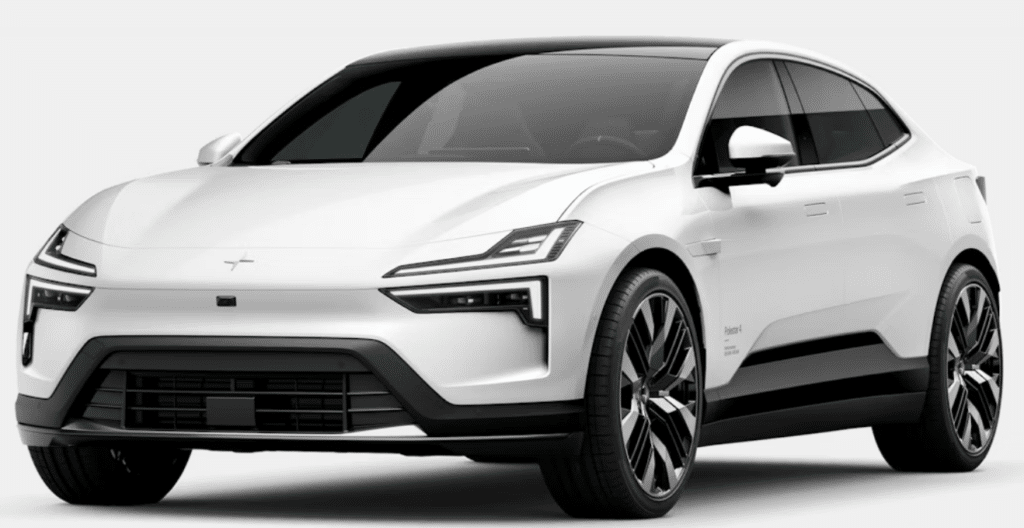
The company’s current lineup includes the Polestar 2 electric fastback, the Polestar 3 luxury SUV, the Polestar 4 SUV coupe, and the upcoming Polestar 5 electric performance grand tourer. Future models include the Polestar 6 electric roadster and the Polestar 7 compact SUV, which is scheduled to launch in 2028. Polestar currently manufactures vehicles in North America and Asia and plans to expand its global production footprint with future manufacturing operations in Europe.
Sustainability remains a core focus for the company. Polestar has established ambitious environmental goals, including reducing greenhouse gas emissions per vehicle sold by 50% by 2030 and achieving climate neutrality across its entire value chain by 2040. The company’s sustainability strategy is built around four key pillars: climate action, transparency, circularity, and inclusion.
EVinfo.net’s Take: V2X and V2G Are Growing Fast Worldwide, Transforming Both the Grid and Transportation
For years, electric vehicles were viewed simply as a cleaner replacement for gasoline-powered cars. Today, a new revolution is underway. Vehicle-to-Everything (V2X) and Vehicle-to-Grid (V2G) technologies are turning EVs into mobile energy assets capable of powering homes, supporting electric grids, and accelerating the transition to renewable energy.
Around the world, automakers, utilities, charging providers, and governments are investing heavily in bidirectional charging technology. Instead of only consuming electricity, EVs equipped with V2X capabilities can store energy and send it back when needed. That energy can power homes, businesses, or even entire sections of the electric grid during periods of high demand.
The timing could not be more important. Electricity demand is rising rapidly due to artificial intelligence, data centers, electrification, and population growth. At the same time, renewable energy sources such as solar and wind are becoming a larger part of the energy mix. V2X technology offers a powerful solution by transforming millions of parked EVs into distributed energy resources that can help balance supply and demand.
Major pilot programs are already underway across Europe, North America, and Asia.
For consumers, the benefits can be significant. Drivers can charge their vehicles when electricity prices are low and use that stored energy when prices are higher. Some utility programs even compensate EV owners for supplying energy back to the grid during peak demand events. In addition to reducing energy costs, V2X systems can provide emergency backup power during outages, giving homeowners greater energy independence.
The impact on the grid could be enormous. Millions of EV batteries collectively represent one of the largest potential energy storage resources ever created. As vehicle adoption continues to accelerate, utilities are increasingly viewing EVs as a key component of future Virtual Power Plants and grid flexibility programs.
Challenges remain, including regulatory hurdles, charging infrastructure upgrades, and the need for broader vehicle compatibility. However, momentum is building rapidly, and many industry experts expect commercial V2G and V2X programs to become increasingly common over the next few years.
The future of transportation is no longer just about moving people. It is also about moving energy. As V2X technology expands worldwide, electric vehicles are evolving into powerful tools that can support the grid, integrate renewable energy, lower costs for consumers, and reshape how energy is generated, stored, and distributed. The result could be one of the most important transformations in both transportation and energy since the invention of the automobile itself.

Electric Vehicle Marketing Consultant, Writer and Editor. Publisher EVinfo.net.
Services